
Rebates And Inspections: Keep Your Heat Pump Install Eligible
January 29, 2026 | Category: Heat Pump Rebate, Heat pump
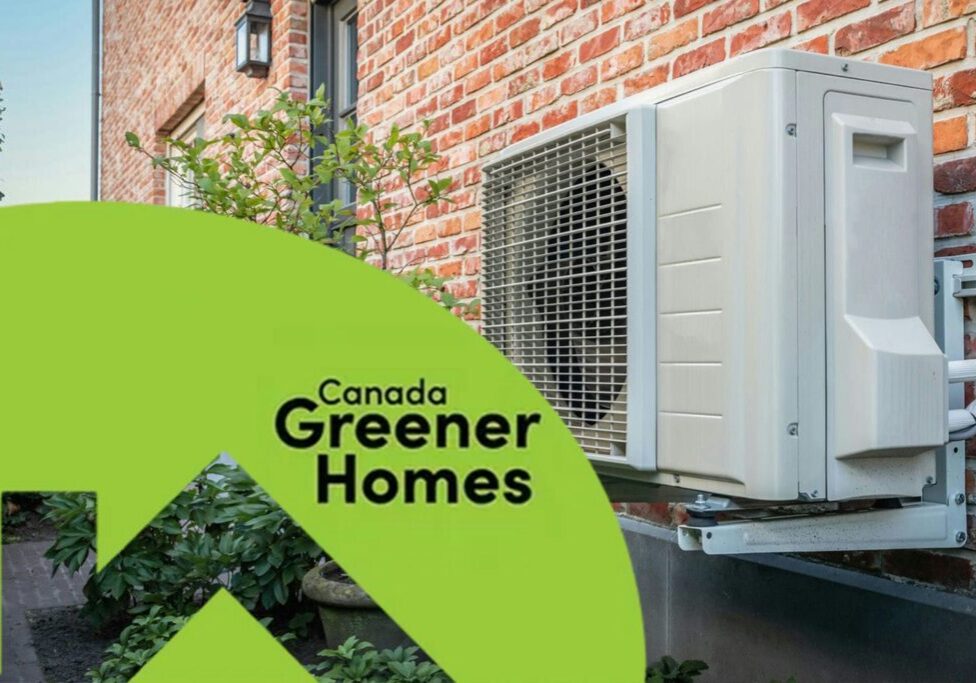
If you want Ontario heat pump rebates, you need more than good equipment. You need a process that stays eligible from day one. Most claims get delayed or denied because of timing mistakes, missing documentation, or an install scope that doesn’t match what the program expects to see on paper. If you’re planning a heat pump installation, use this guide as your eligibility checklist before you sign anything.
Here’s the catch: “rebates” and “inspections” don’t mean one single thing. Depending on the program and your city, you might be dealing with energy evaluations, permit-related inspections, electrical sign-offs, or all of the above.
This guide keeps it simple. It shows you what usually breaks eligibility, what to save, and how to avoid the paperwork panic after your system is already installed.
The 2-Minute Eligibility Summary
Eligibility usually comes down to a few predictable rules. The details change by program, but the approval logic doesn’t.
Think like a rebate administrator for a minute: they need to confirm you followed the rules, installed eligible equipment, and can prove it with clean documents.
The Three Things That Usually Decide Approval
- Timing decides more claims than homeowners expect. Many programs require pre-steps (like an application or evaluation) before installation. If you start first and ask questions later, you can lock yourself out.
- Product matters because programs often tie eligibility to specific equipment models or performance criteria. If the invoice doesn’t clearly show what was installed, you create a verification problem.
- Proof is the big one. If you can’t prove the model numbers, the scope, and the payment clearly, the claim stalls or fails.
What “Inspections” Means In Plain Language
A rebate inspection usually means program verification steps, often tied to an energy evaluation (pre and post). Not every program uses the same process, but many do.
A code inspection refers to municipal permits and inspections when your scope triggers them. This is common when a project involves broader mechanical changes, not just a simple swap.
An electrical inspection can be its own track when electrical scope changes. In Ontario, that often means electrical work is handled and verified through the proper channels, separate from your HVAC paperwork.
If You Only Read One Section, Read This
Before you commit, do these three things:
- Confirm the program is open and you qualify.
- Confirm your exact heat pump model is eligible under the current rules.
- Confirm the required order of operations (what must happen before installation).
If you can’t confirm those three items, you’re not “getting a rebate.” You’re taking a gamble.
Which Rebates Are Actually Available Changes Over Time
Rebate programs change. They pause, close, reopen, and adjust rules. That’s why you should treat any rebate claim like a process you verify, not a benefit you assume.
You can still plan confidently, but you need to verify the program status and steps before you install.
Why You Must Verify Program Status Before You Buy
Homeowners get burned when they rely on last year’s advice, a neighbour’s experience, or a contractor’s memory. Program rules can change mid-season, and “eligible last month” doesn’t guarantee “eligible today.”
Use official government sources to confirm what’s active, what’s closed, and what steps apply. Natural Resources Canada maintains Canada Greener Homes Initiative pages and related program information that reflect current status and requirements.
If a rebate matters to your budget, verify status and steps in writing before you sign a contract.
Inspections That Can Affect Heat Pump Rebate Eligibility

“Inspections” can feel intimidating, but they’re usually straightforward when you plan for them. Problems happen when homeowners discover inspection requirements after the installation is done.
The smart approach is to identify inspection types early and make responsibilities clear.
Energy Evaluations
Some rebate pathways require a pre-install evaluation and a post-install evaluation. The basic idea is simple: establish a baseline, then verify the upgrade after installation.
If your program requires this, you need to schedule it in the right order. You can’t usually “backdate” a pre-step after the work is complete.
If you’re unsure whether your rebate path uses energy evaluations, start by confirming the program’s required steps on an official government page before you install.
Permits And City Inspections (Toronto Example)
Some HVAC scopes can trigger municipal permit requirements, especially when tied to broader renovations or mechanical changes. In Toronto, the City outlines additional HVAC documentation that may be required as part of an application for a related mechanical permit.
You don’t need to become a permit expert. You do need to ask one direct question: “Does this scope require a permit or inspection in my municipality, and who is responsible for it?”
When that responsibility is unclear, timelines slip and paperwork gets messy fast.
Why Passing Inspections Protects Your Rebate Claim
Inspections protect you because they force the scope to stay consistent. If an inspector requires changes, your installation can change from what was quoted.
That creates a rebate risk: the model you planned, the model you invoiced, and the model you installed can diverge. Rebate administrators care about what was installed and documented, not what was intended.
So the goal is simple: keep the installed reality and the paperwork reality identical.
Rebate-Ready Heat Pump Install Checklist
Eligibility is mostly an “order of operations” problem. When you follow a clean sequence, the rebate paperwork becomes routine.
Use this checklist as your before-during-after roadmap.
Before You Install
1. Confirm the program is open and that you meet eligibility rules (home, household, location, if applicable).
2. Confirm your chosen heat pump model is eligible under the current rules.
3. Confirm required pre-steps (application, pre-approval, pre-evaluation) and complete them in the correct order.
4. Confirm who handles permits and inspections, and what happens if the scope changes.
During Installation
5. Make sure the written scope matches what the program expects to see on the invoice.
6. Collect documentation as work happens: model numbers, photos, and updated paperwork if anything changes.
After Installation
7. Complete any required post-installation inspection or evaluation.
8. Submit the claim package before deadlines, with no missing fields and no vague invoice lines.
This isn’t “extra.” This is the work that keeps your rebate from getting stuck.
Documentation You Need To Keep (This Is Where Most Claims Fail)

Most denied claims don’t fail because the homeowner chose the wrong heat pump. They fail because the documentation doesn’t prove what was installed.
The fix is boring, but powerful: document model numbers, scope, and payment clearly.
Equipment Proof (Model Numbers Matter)
Many programs require proof of exactly what was installed. That means the outdoor unit and indoor unit model numbers, not just “heat pump system” on a line item.
You also want equipment documentation that ties the system to eligibility criteria and performance expectations. If you’re trying to understand which performance specs matter most in Ontario, use this guide as a reference point. If the model number isn’t on the invoice, ask for a corrected invoice before you submit anything.
Contractor And Invoice Details
A rebate-ready invoice should make the administrator’s job easy. It should include the contractor’s legal business name, address, install date, and clear line items for equipment and labour.
The invoice should also list the installed equipment model numbers and show totals, taxes, and payment terms clearly. Here’s the catch: “standard install” language can cause delays because it doesn’t prove what was done.
If the scope changed due to availability, the invoice and paperwork must change too. Don’t submit “close enough” documents and hope it passes.
Proof Of Payment And Photos
Rebate administrators often want proof the invoice was paid, not just issued. Save your receipt and your payment confirmation (card, bank, or transfer record).
Photos help when there’s a question later. Take clear pictures of the outdoor unit, indoor unit, thermostat, and the equipment nameplate label that shows model and serial.
This is simple insurance. If there’s ever a dispute about what was installed, photos often end it quickly.
Common Eligibility Killers (Avoid These)
Most eligibility failures come from a small set of avoidable mistakes. If you avoid these, you avoid most delays. Think of this section as your “don’t do this” list before you sign.
Starting The Project Before Required Pre-Steps
If your rebate path requires a pre-step (like a pre-evaluation or pre-approval), doing the install first can make you ineligible. This is the most expensive mistake because you can’t usually undo the timeline.
Always confirm the sequence before you schedule installation. If the program says “pre” anything, treat it literally.
If you’re already partway through planning, pause and verify. That one phone call can save you thousands.
Switching Equipment Midstream Without Updating Documents
Availability changes happen. That’s normal. What’s not normal is swapping models without updating the written scope, invoice, and supporting documents.
Eligibility often ties to model numbers and performance criteria. If you switch, you need updated documentation that proves the new model still qualifies.
Don’t accept “we’ll fix the paperwork later.” Later is when claims get stuck.
DIY Or Unpermitted Scope That Triggers Rework
Rebates and inspections collide when work gets flagged and requires rework. Rework changes timelines and can change what ends up installed.
Even if your rebate doesn’t directly require permits, rework can create mismatches between quoted scope and installed scope. That’s a paperwork problem and an eligibility problem.
Keep responsibilities clean. Don’t let essential scope float into “by others” unless you fully control it.
Installation Mistakes That Create Inspection Or Performance Problems
Some installation mistakes create comfort issues. Others create verification issues that trigger revisits, corrections, and paperwork revisions.
If you want a plain list of common installation mistakes we fix after the fact, read this before you commit to a scope.
GTA-Specific Reality Checks That Affect Inspections
Ontario homes have patterns that affect installs: older electrical panels, basements with duct trunks, tight side-yard placements, and winter snow behaviour.
If you plan for these realities, you reduce inspection headaches and scope surprises.
Electrical Scope And Inspection Coordination
Electrical scope can change the project more than homeowners expect. Panel capacity, breaker space, wiring runs, and disconnect requirements can all add steps.
This matters for eligibility because scope changes can change the invoice, the timeline, and the inspection path. It also matters because electrical work has its own verification process in Ontario.
If you want the homeowner-friendly checklist of what electrical items commonly change the scope, start here.
Outdoor Unit Placement And Clearance
Outdoor placement affects performance, noise, service access, and winter icing. Poor placement can trigger rework, and rework can disrupt your rebate timeline and documentation.
In the GTA, snow drifting and tight clearances make this more than a cosmetic detail. It’s part of keeping the install stable through winter.
Use these heat pump placement guidelines before you approve an outdoor location on a quote.
How We Keep Your Install “Rebate-Ready”
You don’t win rebates by luck. You win them by running a clean process that produces clean proof. This is where the right contractor makes your life easier.
We Build The Scope Around Eligibility From Day One
We write scopes that match real rebate expectations: clear equipment pairing, clear responsibilities, and clear invoice-ready language. We don’t rely on vague “standard install” lines when documentation needs specifics. We also flag risk areas early, like electrical constraints and placement limitations, so you don’t discover them mid-install.
That’s how you avoid the most common eligibility-killing surprises.
We Document What We Install
We provide the details homeowners typically need for rebate submissions: model numbers, clear invoices, and the supporting information that ties the scope to what was installed.
When equipment availability forces changes, we document those changes properly. That keeps your paperwork aligned with reality. You should never have to chase basic documentation after the crew leaves.
We Respect Inspections And Code Requirements
We plan for inspections when they apply, and we make responsibilities explicit. If a permit or inspection path matters for your project scope, we treat it as part of the project plan, not an afterthought. This keeps timelines realistic and reduces rework risk. It also protects your rebate submission from mismatched documents.
Get Rebates Without The Paperwork Panic
Rebates feel great when they land. They feel brutal when you lose them over a missed step. If you want to stay eligible, you need a clear sequence, clean documentation, and an installation plan that accounts for inspections and scope changes.
Cozy World has been in business since 1991. We’re TSSA registered, HRAI registered, and insured and bonded. We also run a no-surprises process: the final HVAC cost matches the written scope you approve. If you want a rebate-ready plan and a clean heat pump installation in the GTA, reach out to our team.
Frequently Asked Questions
Some rebate programs require pre and post evaluations, while others don’t. Always confirm the exact steps for the specific program you’re using before you start any work. If the program requires a pre-step, doing the install first can make you ineligible.
Typically: an itemized invoice with model numbers, proof of payment, and any required evaluation or inspection documentation. Missing model numbers and vague invoice language are common reasons claims get delayed.
Sometimes, but many programs require pre-steps before installation. If your system is already installed, verify whether your program allows retroactive claims and what documentation you can still provide.
Often yes. Many rebate pathways tie eligibility to equipment lists or performance criteria. Confirm eligibility before you buy, and make sure the invoice lists the exact model numbers that were installed.
It depends on the project scope. Some projects may require permits or inspections, especially when tied to broader mechanical changes or renovations. Confirm requirements for your municipality and scope before you start.
Starting before required pre-steps, missing documentation (especially model numbers), installing non-eligible equipment, incomplete proof of payment, and missing submission deadlines.
You typically own the rebate application, but your contractor should provide clean documentation: model numbers, clear invoices, and scope details. A good contractor also helps you avoid process mistakes that create eligibility problems.
Ready to Get an HVAC Service Quote?
Whether you have questions, need assistance, or want to schedule a service, we're here to help. Don't hesitate to contact us anytime.
