
Do You Need New Electrical For A Heat Pump? A Homeowner’s Guide
November 1, 2025 | Category: Heat pump, Installation

Most GTA homes don’t need a full service upgrade to add a heat pump, but you will need at least one dedicated 240‑V circuit and a proper disconnect. The tipping points are backup electric heat strips, multiple indoor zones, and older 60–100 A services. In this guide, you’ll learn how to check your panel, what a “dedicated circuit” actually means, and when an ESA permit and a Toronto Hydro service upgrade come into play. If you’d like a room‑by‑room load calc and an install plan, see our heat pump installation page for process and quotes.
The 10‑Minute Check: Can Your Panel Handle a Heat Pump?
A quick self‑check prevents surprises. You’re looking for service size, breaker space, and competing big loads. This scan won’t replace an electrician’s assessment, but it will tell you whether the project is straightforward or needs planning time. Because heat pumps are fixed appliances, they require a dedicated circuit and an outdoor disconnect; those two facts drive most of your electrical scope.
If your panel is modern and organized with some spare spaces, the path is simple. If it’s full of tandem breakers, labels are missing, or breakers frequently trip, budget time for panel work or a sub‑panel. The goal isn’t just to “make it fit.” It’s to give the heat pump a clean, code‑compliant feed and leave headroom for the rest of your home.
Step 1 – Confirm Panel And Service Size (100 A vs 200 A)
Open your panel door and read the main breaker rating. Many detached homes in the GTA have 100 A services; newer or renovated homes often have 200 A. Service size isn’t destiny, but it matters when you add heat strips, an EV charger, or an electric water heater. If you’re already tight, you may be asked to pursue a service upgrade with Toronto Hydro so the supply can safely handle the added load.
A 100 A service can often support a ductless mini‑split or a ducted heat pump without electric strips, provided your panel has space and your total demand is reasonable. Where we see pressure is in older 100 A homes that also want EV charging. Planning both together prevents opening walls twice and can reduce downtime.
Step 2 – Look For Two Open Spaces For A Double‑Pole Breaker
Most heat pumps need a two‑pole breaker. Scan for two adjacent free spaces. If the panel is full, a sub‑panel may be faster than replacing the main panel, especially if you plan additional electrification later. Either way, the heat pump gets its own breaker, sized to the unit’s nameplate and the manufacturer’s minimum circuit ampacity.
Adjacent space also helps you keep tidy wire routing and the correct breaker type. Your installer will choose wire size and protection based on nameplate MCA/MOP and the Ontario Electrical Safety Code. This is where a clean panel layout makes future service easier and safer.
Step 3 – List Your Big Loads
Make a short list: electric range, electric dryer, EV charger, electric water heater, and any planned backup heat strips for the air handler. The more coincident large loads you have, the more likely you’ll be asked to submit a service upgrade request to Toronto Hydro. The utility reviews the request and documentation, then schedules any necessary work so your supply matches your home’s demand.
When in doubt, plan early. Toronto Hydro outlines the steps and encourages providing complete documentation up front to prevent delays. That matters if you’re timing the upgrade with a renovation or winter install.
What A Heat Pump Actually Draws (Common Ranges)

Real‑world current draw varies by model, size, and controls. Think in ranges, not absolutes. Your installer sizes breakers and conductors to the nameplate and the manufacturer’s installation manual. The goal here is to set expectations so you can plan your panel and wiring runs.
Small, ductless systems often have modest breaker sizes. Ducted cold‑climate systems without electric strips are mid‑range. Add electric heat strips and the picture changes quickly. That’s the load that most often tips a home from “no upgrade” to “needs more capacity.”
Ductless Single‑Zone Mini‑Split
Single‑zone mini‑splits are usually the least demanding electrically. You still need a dedicated 240‑V circuit, an outdoor disconnect, and proper conductor sizing. Many heads are powered from the outdoor unit, which simplifies indoor wiring. Keep wire runs clean, protect exterior runs in approved conduit, and confirm bonding at the disconnect.
If you’re adding multiple heads or planning more zones later, a small sub‑panel can simplify routing and labelling. It also leaves room for future loads without touching the main panel again. Good planning reduces time on ladders, keeps penetrations tidy, and makes future service safer.
Ducted Cold‑Climate System (No Electric Strips)
A ducted cold‑climate system without electric strips typically lands in a moderate breaker range for the outdoor unit, with a separate feed for the air handler if required. Electrical scope includes a dedicated outdoor circuit, an accessible disconnect, and correct breaker type. The inverter nature of these units smooths current draw, but breakers and conductors still track the nameplate.
Even without strips, ducted systems may need a second circuit for the indoor unit or air handler. Your installer will verify airflow targets, static pressure, and controls, then size the conductors to the equipment MCA/MOP. Clean circuit separation helps with diagnostics and commissioning.
Backup Electric Heat Strips (5–15 kW)
Heat strips are the big variable. They add significant load to carry you through rare cold snaps or defrost cycles. ESA guidance treats the heat pump at 100% demand and applies supplemental heat per Section 62 principles; this is why strips often trigger panel or service upgrades. Proper controls can prevent both loads from peaking at the same time, which helps the calculation.
If you choose strips, we’ll model their size against your design temperature and consider control strategies that minimize coincident peaks. This is also where utility coordination may become necessary, particularly in homes with EV charging or other large electric appliances. Planning here avoids last‑minute “no power” days.
Multi‑Zone Systems
Multi‑zone outdoor units can require a larger two‑pole breaker and careful planning for line sets and indoor power. Depending on configuration, a small sub‑panel near the mechanical space keeps wiring short and organized. This provides spare spaces for later head additions and reduces panel crowding.
Where multi‑zone systems share a home with EV charging or electric water heating, we’ll examine total demand and head diversity. The right combination of equipment choices and energy management can keep you within your existing service. If not, we’ll prepare the Toronto Hydro service upgrade request and timelines with you.
Panel, Service, And Circuits: What’s The Difference?
Homeowners often use these terms interchangeably, but they mean different things. Your panel is the breaker box with limited physical spaces. Your service is the capacity coming from the utility (100 A, 200 A). A circuit is a protected run that serves a specific load, like your outdoor unit.
Distinguishing these helps you plan the right work. Sometimes you only need a new circuit. Sometimes you need a new panel for space. And occasionally you need a service upgrade because the total calculated load is too high for what the utility currently supplies.
Panel Upgrade Vs Service Upgrade
An electrical panel upgrade replaces or reorganizes your breaker box for more spaces or modern protection. A service upgrade increases the amperage supplied to your home and often involves utility coordination, new meter equipment, and cut‑over scheduling. Toronto Hydro outlines a defined service upgrade request process that starts with an online submission and review of project details.
If your panel is fine but the service is maxed out, upgrading the service is the right move. Toronto Hydro’s public customer‑connection pages explain when an upgrade is typically requested, including before installing large equipment like a heat pump or EV charger, to ensure your supply can handle the added load.
Dedicated Circuit (Definition In Plain Language)
A dedicated circuit means one appliance, one breaker, properly sized conductors, and an accessible outdoor disconnect at the unit. Nothing else shares that breaker. For heat pumps, this is standard practice and aligns with typical manufacturer instructions and OESC intent for fixed equipment. It protects the equipment and simplifies troubleshooting.
In practical terms, your installer will run a new 240‑V line from the panel to the outdoor disconnect and then to the condenser. If your air handler needs its own feed, that’s a second dedicated circuit. Clear labelling and correct breaker type matter later when service is needed.
Sub‑Panels And Load Sharing
A sub‑panel can solve space constraints without touching the main service. We often add a small sub‑panel in the mechanical room when a home wants a heat pump now and an EV charger later. It keeps high‑load circuits together and avoids panel cramming.
Load sharing comes from smart planning and, where appropriate, energy management controls. While detailed energy management provisions are part of the evolving code landscape, the homeowner takeaway is simple: plan electrification as a system, not a string of one‑off projects.
Permits And Inspections In Ontario (ESA)
Electrical safety is regulated in Ontario. Almost all electrical work requires a Notification of Work (often called a permit) filed with the Electrical Safety Authority before work starts. If you hire a Licensed Electrical Contractor, they file it.
Inspections verify the work meets the Ontario Electrical Safety Code. ESA’s homeowner guidance is clear that even small jobs generally need a notification, and they provide multiple ways to file. The process isn’t red tape; it’s how Ontario protects people and property when electrical systems change.
When You Need An ESA Permit (Notification Of Work)
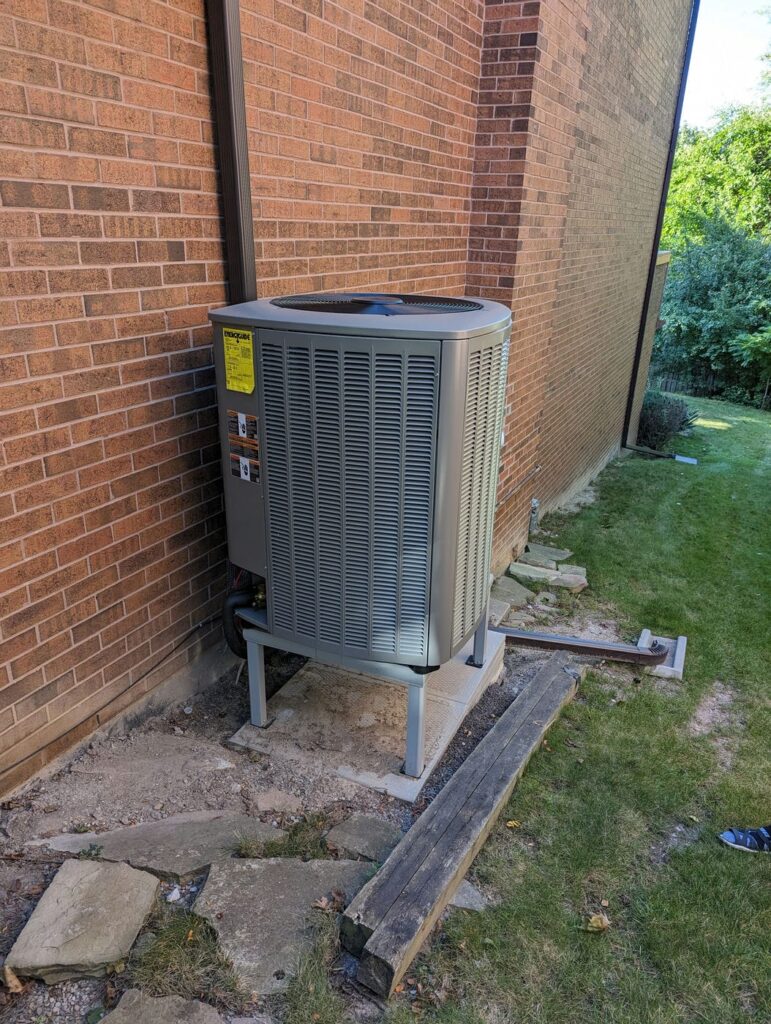
If you’re adding a new circuit, relocating equipment, or altering fixed wiring, you should expect to file a notification. The person doing the work files it, which keeps responsibility aligned with the installer. Filing beforehand avoids delays at inspection and keeps your project clean for insurance and resale.
How Load Calculations Are Done For Heat Pumps
ESA’s Bulletin 8‑3‑15 clarifies that the heat pump nameplate is taken at 100% demand, and supplemental electric heating loads are handled per Section 62 principles. That guidance explains why strip heat often drives the upgrade conversation. It also underscores the value of controls that prevent simultaneous peaks.
ESA’s contractor updates point back to the same bulletin and highlight overcurrent protection, disconnecting means, and wiring requirements as key considerations for heat pump installs. In short: calculate carefully, protect properly, and document.
When Utilities Get Involved
If your calculated demand exceeds existing service capacity, your electrician or contractor will guide you to Toronto Hydro’s service upgrade request process. You’ll submit an online request, Toronto Hydro reviews the details, and a representative coordinates next steps. Submitting complete documentation early helps prevent processing delays.
Toronto Hydro’s customer‑connection pages also explain why upgrades are commonly requested before adding large equipment such as heat pumps or EV chargers. If you anticipate multiple projects, combine planning so the utility handles everything in one window.
How We Plan The Electrical For Your Heat Pump
We design the mechanical and electrical pieces together so you get smooth commissioning and fewer site surprises. The focus is simple: safe circuits, tidy routing, and enough capacity for your future plans. Because we install in real GTA homes, we plan around basements, finished spaces, and winter timelines.
We also align with the Electrical Safety Authority’s permitting and inspection steps and coordinate utility requests when needed. That way, your installation isn’t waiting on paperwork the week of your cut‑over.
Load Calc, Model Selection, And Nameplate Review
We start with a room‑by‑room heat‑loss calculation and then shortlist cold‑climate models. From the chosen unit’s MCA/MOP and any strip‑heat options, we determine breaker sizes, conductor gauges, and disconnects. This ties the mechanical choice to the electrical plan so the equipment performs as designed when it’s cold outside.
If you need dehumidification or multi‑zone control, we confirm the indoor power needs as well. When the numbers are tight, we’ll model alternatives that reduce coincident peaks before recommending a service upgrade.
Circuiting, Disconnects, And Panel Space Plan
Every outdoor unit gets a dedicated circuit and an accessible disconnect. We plan wire paths to minimize exterior conduit and avoid awkward penetrations. Inside, we verify panel space and label everything clearly for future service. If the air handler needs its own feed, we plan that circuit with the same care.
When panels are crowded, we’ll propose a sub‑panel near the mechanical space to keep breaker runs short and future‑proof the setup. We also plan for service clearances and working space so inspections go smoothly.
ESA Permit And Utility Coordination
We coordinate with a Licensed Electrical Contractor to file the ESA Notification of Work, arrange inspections, and document commissioning. If a Toronto Hydro service upgrade is needed, we help you prepare the online request and manage timing so mechanical work and utility work align. This avoids long gaps between equipment arrival and the power you need to run it.
Get A Clear Electrical Plan (No Surprises)
Prefer a definitive yes/no on upgrades and exact breaker sizes? Book a quick consultation. We’ll review your panel and service, size the system properly, and map the electrical scope so installation is smooth and compliant.
You’ll get:
- A room-by-room load calculation and nameplate review
- Panel/service check with recommended breaker and wire sizes
- ESA permit coordination and, if needed, Toronto Hydro next steps
- A fixed, itemized quote with a realistic schedule
When you’re ready, start with our heat pump installation page to learn more or to book a consultation.
Ready to Get an HVAC Service Quote?
Whether you have questions, need assistance, or want to schedule a service, we're here to help. Don't hesitate to contact us anytime.
