
Why Does My Air Conditioner Keep Freezing Up?
May 13, 2026 | Category: Air Conditioner
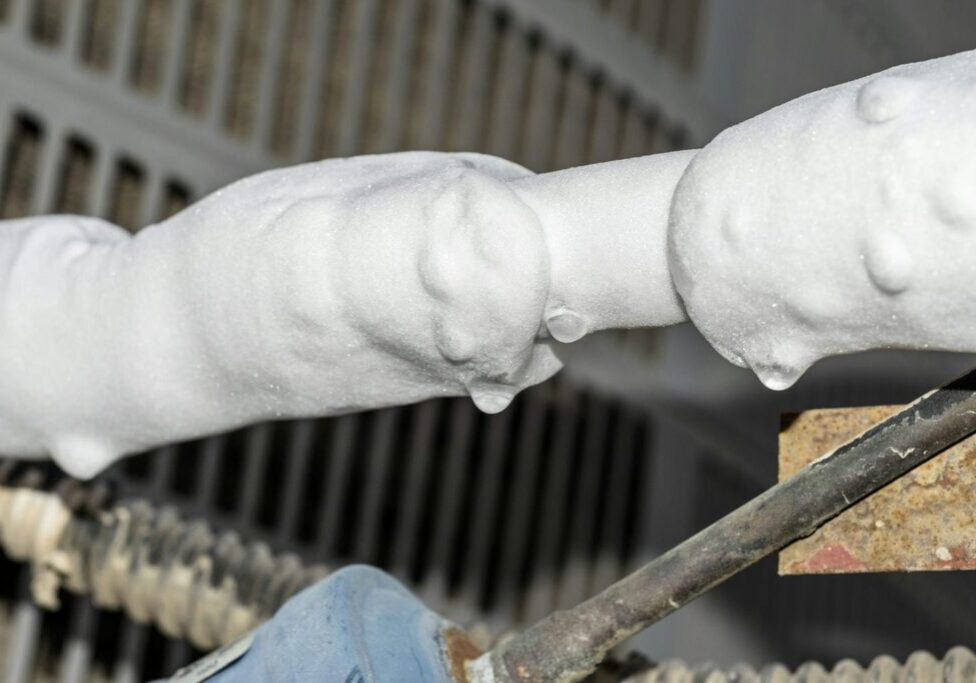
An air conditioner usually freezes up because the indoor coil gets too cold, most often from restricted airflow, low refrigerant, a dirty coil, a blower problem, or poor running conditions. If you see ice on the line, coil, or indoor cabinet, turn cooling off first, check the filter and airflow basics, and book air conditioner repair if the ice returns, airflow is weak, or the system stops cooling.
A frozen AC is not “working too well.” It is a sign that heat is not moving through the system properly. The unit may keep running, but the ice blocks airflow, weakens cooling, and can create water around the furnace when it thaws.
An AC freeze-up happens when moisture on the evaporator coil or refrigerant line turns to ice because the coil temperature drops too low or airflow across the coil is too weak. That is the simple definition. The harder part is finding out why it happened.
A Frozen AC Usually Means Airflow, Refrigerant, Or Control Trouble
A frozen AC usually points to one of three problem buckets: restricted airflow, low refrigerant, or a control and operating issue. The first bucket is the most common place to start because your AC needs steady indoor airflow to keep the coil at the right temperature. When that airflow drops, ice can form.
The second bucket is refrigerant. Low refrigerant can make the coil too cold, but refrigerant does not get “used up” like gasoline. If the system is low, there is usually a leak or sealed-system fault that needs diagnosis.
The third bucket is operation and control. A blower that is not moving enough air, a very low thermostat setting, short cycling, or an aging system can all make freeze-ups more likely. The ice is visible, but the cause is usually hidden.
Restricted Airflow Is The Most Common Place To Start
Air has to move across the indoor coil for cooling to work properly. A clogged filter, blocked return, closed vents, dirty coil, or weak blower can reduce airflow enough for the coil to get too cold. Once moisture hits that cold surface, it can freeze instead of draining away.
This is why filter checks matter. They are not a formality. They are one of the quickest ways to find out whether the system is being starved for air.
Low Refrigerant Can Also Make The Coil Too Cold
Low refrigerant can also cause an AC to freeze. However, that does not mean the system needs a casual “top-up.” A properly sealed system should not need refrigerant added every season.
If the refrigerant is low, the real question is why. The system may have a leak, a coil issue, or another sealed-circuit problem. That belongs in a repair diagnosis, not a homeowner experiment.
Running Conditions And Control Problems Can Make It Worse
A frozen AC can also come from the way the system is operating. If the blower is weak, the thermostat is set very low, the system short cycles, or the controls are not keeping the cooling cycle stable, the coil may not stay in a healthy range.
This does not mean you need to diagnose the control board yourself. It means you should treat repeat freeze-ups as a system problem, not just a block of ice that needs to melt.
What To Do When You See Ice
The first step is simple: stop cooling. Do not keep lowering the thermostat. Do not try to “push through” the freeze-up. More runtime usually creates more ice, weaker airflow, and more water when the ice melts.
Your goal is to thaw the system safely, protect the area, and check the basic airflow items before restarting. If the ice comes back, the system needs repair. Waiting through repeated freeze-thaw cycles rarely helps.
Turn Cooling Off, But Leave The Fan On If It Is Safe
Turn the thermostat from Cool to Off. If there is no burning smell, no electrical warning, and no active water near electrical parts, you may be able to run the fan only. The fan can help move room-temperature air across the coil while the ice thaws.
Use judgement here. If the system sounds wrong, smells wrong, or water is spreading near wiring or equipment, leave it off and call for service. Comfort matters, but safety comes first.
Do Not Chip, Scrape, Or Pour Hot Water On The Ice
Do not chip ice off the coil or refrigerant line. You can damage tubing, fins, insulation, or nearby parts. A small puncture or bent coil section is not worth the few minutes you might save.
Do not pour hot water on the frozen area either. Water around electrical cabinets and HVAC components creates more risk than benefit. Let the ice thaw safely, then deal with the cause.
Check For Water As The Ice Thaws
As the ice melts, water has to go somewhere. In a healthy setup, it should collect in the drain pan and leave through the condensate drain or pump. If the drain is overwhelmed or partly blocked, water can show up around the furnace, floor, or coil cabinet.
When water shows up around the equipment after a freeze-up, the AC leaking water side of the issue has its own first-check list focused on the drain pan and condensate path.
Do Not Restart Cooling Until You Check The Basics
Restarting too early often repeats the same freeze-up. Before you turn cooling back on, check the filter, return grilles, supply vents, and obvious airflow paths. Make sure the indoor blower is actually moving air.
If the system freezes again after the basic checks, stop. At that point, the problem is likely deeper than a dirty filter or a blocked grille.
What Your Frozen AC Usually Points To

A frozen AC is rarely a single-cause problem, but the symptom you notice first will often point to a specific cause bucket. Proper testing is still required when ice returns, airflow stays weak, or the system shows more than one symptom.
| What You Notice | Most Likely Cause Bucket | Safe First Check | Best Next Step |
| Ice On Refrigerant Line | Airflow Or Refrigerant Issue | Turn Cooling Off, Check Filter | Book Repair If Ice Returns |
| Weak Airflow Before Ice Appears | Dirty Filter, Blocked Return, Or Blower Issue | Replace Filter, Open Returns | Service If Airflow Stays Weak |
| AC Runs, But Vents Feel Warm | Frozen Coil Blocking Airflow | Shut Cooling Off And Let It Thaw | Read Warm-Air Guide Or Book Repair |
| Water Around Furnace After Ice Melts | Thawing Coil Or Drain Problem | Protect Area, Check Visible Water | Read Leak Guide Or Book Repair |
| Outdoor Unit Runs While Indoor Airflow Is Weak | Indoor Blower Or Coil Issue | Check Filter And Vents | Book Diagnosis |
| Ice Comes Back After Filter Change | Refrigerant, Coil, Blower, Or Controls | Stop Restarting | Book Repair |
Here is the useful pattern. Ice plus weak airflow usually starts with airflow or blower concerns. Ice plus repeated poor cooling may point to refrigerant, coil, or system-condition issues. Ice plus water often means the freeze-up has now become a drainage problem too.
7 Common Reasons Your Air Conditioner Keeps Freezing Up
Here’s the catch: ice is the visible part of the problem, not the whole problem. The cause is usually hidden in airflow, refrigerant performance, coil condition, blower operation, or system fit. So the right diagnosis starts broad and gets specific.
Move from the simple causes to the serious ones. A dirty filter is easier to fix than a refrigerant leak. But if the ice keeps returning, you cannot keep treating the system like it only needs a filter.
1. The Air Filter Is Dirty
A dirty filter restricts return airflow. When less warm indoor air moves across the evaporator coil, the coil can get too cold and freeze moisture instead of letting it drain normally. That is why filter neglect can turn into ice, weak cooling, and later water on the floor.
Federal guidance from Natural Resources Canada notes that dirty filters, coils, and fans reduce airflow, lower efficiency and capacity, and can lead to compressor damage if left long enough.
2. Return Airflow Is Blocked
Return air is the air your system pulls back from the home to cool again. If returns are blocked by furniture, storage, rugs, or closed doors, the system may not get enough air across the coil. That poor airflow can start the freeze-up pattern.
Older GTA homes often make this worse. Additions, tight hallways, limited returns, and finished basements can all create uneven airflow. The system may seem fine in one room while the coil is struggling at the equipment.
3. Supply Vents Are Closed Or Duct Airflow Is Poor
Closing vents to force more cooling into another room can backfire. Your AC is designed to move a certain amount of air. When too many vents are closed, system pressure can change and airflow can drop where the equipment needs it most.
Federal central-AC guidance also makes the broader point that filters, coils, fans, ducts, vents, and registers all affect airflow through the system, and that vents should not be blocked by drapes or furniture.
4. The Evaporator Coil Is Dirty
A dirty evaporator coil acts like a blanket. Air may still move through the system, but heat transfer drops. The coil can get colder than it should, ice forms, and cooling falls off.
This is not a homeowner cleaning job in most central systems. Coil access often requires panel removal and care around delicate fins and refrigerant tubing. If the coil is dirty enough to contribute to freezing, it should be cleaned and inspected properly.
5. The Blower Fan Is Not Moving Enough Air
The blower is what moves air through the ductwork and across the indoor coil. If the blower motor is weak, the blower wheel is dirty, or the fan is not operating at the right speed, the system can lose the airflow it needs. Then the coil can get too cold.
You can notice this symptom at the vents. Air may feel weaker than usual in several rooms, not just one. But testing blower performance, motor condition, and controls belongs in a service visit.
6. The System Is Low On Refrigerant
Low refrigerant can make an AC freeze because the refrigerant circuit is no longer operating in the right range. The coil can drop too cold, moisture freezes, and the system starts losing cooling. That often comes with long run times, weak comfort, and recurring ice.
The important point is this: refrigerant is not a maintenance fluid. If it is low, there is a leak or sealed-system issue to find. Adding refrigerant without solving the reason is not a proper repair.
7. The AC Is Oversized, Short Cycling, Or Aging Into Bigger Problems
Some freeze-ups are part of a larger system-fit problem. An oversized AC can short cycle, which means it starts and stops too quickly. An aging system may also stack issues, such as weak airflow, dirty coils, refrigerant loss, and inconsistent comfort.
Do not jump straight to replacement because of one freeze-up. Do pay attention if the same pattern keeps coming back. Repeated ice is a clue that the system needs a deeper conversation.
Why A Frozen AC Can Start Blowing Warm Air
A frozen AC can still sound like it is running. That is what makes the symptom confusing. The blower may push air through the ductwork, but the frozen coil is not moving heat properly, so the air at the vents can feel weak, damp, or warm.
This is why “frozen AC” and “warm air from vents” often overlap. The system is running, but it is no longer cooling in a useful way.
Ice Blocks The Air The System Needs To Move
Once ice builds on the coil, airflow drops even more. That creates a bad loop. Weak airflow helps cause the ice, and then the ice makes airflow weaker.
The longer this continues, the worse the comfort gets. Rooms may feel muggy, the second floor may fall behind, and the thermostat may never reach the set temperature.
The Indoor Fan Can Run While Cooling Has Effectively Failed
Air movement is not the same as cooling. The fan can run while the frozen coil blocks heat transfer and prevents proper cooling. From the living room, that feels like an AC that is running but not doing anything useful.
If your vents feel weak or warm without obvious ice on the line, the issue may not be a freeze-up at all; an AC blowing warm air has several other possible causes worth diagnosing separately.
Why A Frozen AC Can Leak Water When It Thaws
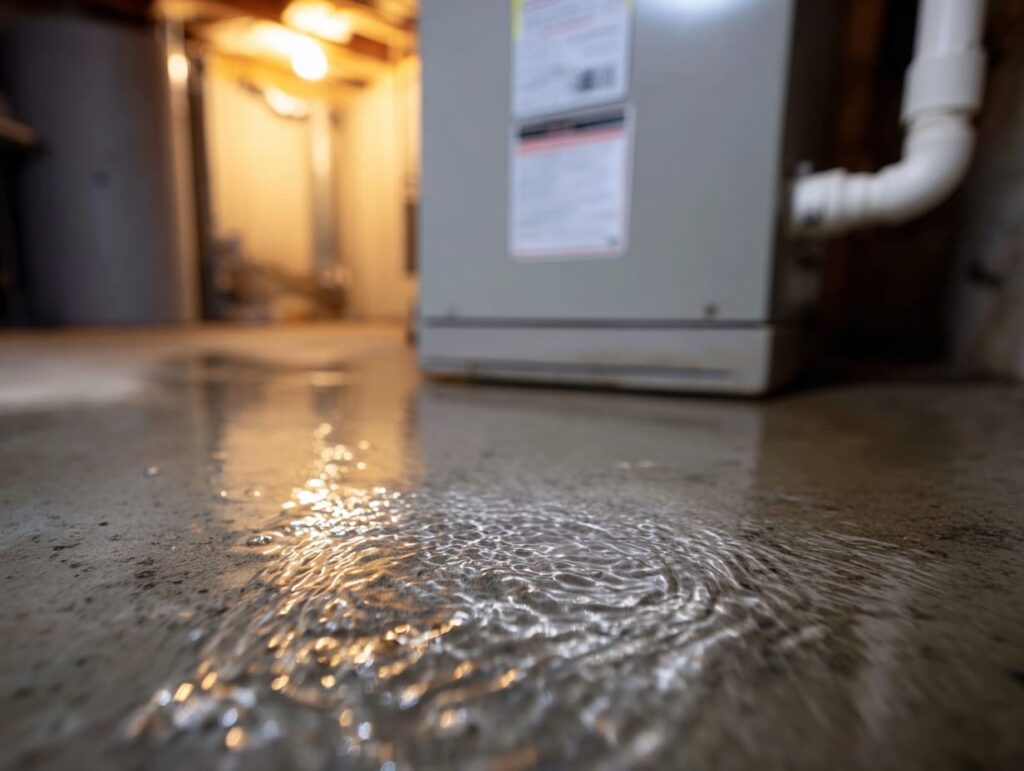
A freeze-up often turns into a water leak later. That is not a separate mystery. It is the same ice melting. The real question is whether the drainage system can handle that water safely.
In a normal cooling cycle, moisture pulled from indoor air drains away through the pan and condensate system. Central AC equipment cools and dehumidifies the air at the indoor coil, with moisture collected in a pan and sent to a house drain.
Thawing Ice Has To Drain Somewhere
When ice melts, it should move through the pan and drain line. However, a freeze-up can create more water than the system handles cleanly, especially if the drain is partly blocked. That is when water shows up around the furnace area or indoor coil cabinet.
This is one reason freeze-ups should not be ignored. The first problem is cooling. The second problem may become water damage.
Water Around The Furnace In Summer Often Points Back To The AC
In many central systems, the indoor AC coil is mounted above or near the furnace, inside the ducting. That layout is why thawing water often surfaces at the furnace area first, even though the freeze-up started at the coil.
That is why water around the furnace in summer often points back to the AC, not the furnace itself. The water-leak side of the issue has its own checks for the drain pan, line, and pump, separate from the freeze-up cause.
When A Freeze-Up Becomes A No-Start Problem
Sometimes the AC freezes, thaws, and then refuses to restart. Other times, a safety switch interrupts operation before water can overflow. Either way, the homeowner ends up with a second symptom: the system will not turn on normally.
That does not mean the freeze-up and no-start are unrelated. They may be connected through water backup, safety controls, airflow failure, or an electrical part that was already struggling.
Safety Switches May Stop The System From Running
Some systems use safety switches to stop operation when condensate water backs up or a fault needs attention. That can protect the home from water damage. It can also make the system look dead from the thermostat.
If the AC will not restart after a freeze-up, do not assume the thermostat is the only issue. The system may be responding to water, ice, airflow, or another condition that needs correction first.
Do Not Keep Resetting A System That Will Not Restart
If the AC does not restart after thawing and basic checks, stop. Repeated resets are not a repair strategy. They can hide the original symptom and add new ones.
If the system is silent, clicking, buzzing, or repeatedly tripping a breaker after a freeze-up, the situation has shifted into one where the AC won’t turn on reliably, and that has its own sequence of safe checks before any repair call.
What You Can Safely Check Yourself
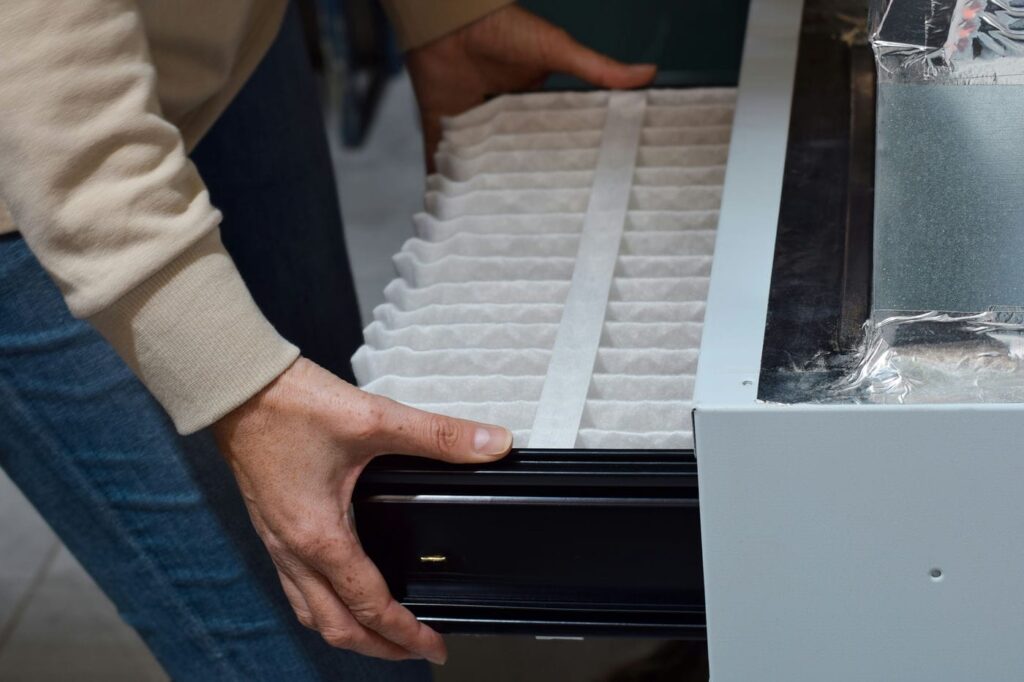
Homeowners can do a few useful checks before calling. The safe checks are visual and airflow-based. They do not involve refrigerant, wiring, sealed panels, or coil disassembly.
The point is to narrow the issue, not to force a repair. A good service call goes faster when you can explain what froze, when it happened, and what changed before the ice appeared.
Replace A Dirty Filter And Open Obvious Airflow Paths
Start with the filter. If it is clearly dirty, replace it. Then make sure return grilles are open and not blocked by furniture, boxes, rugs, or closed doors.
Also check supply vents. A few adjusted vents are normal. A home with many closed vents can create airflow trouble. Your AC needs a full air path, not a maze.
Check Whether Airflow Feels Weak At Multiple Vents
Walk through the house and feel airflow at several vents. If many vents feel weak, the problem may be system-wide. That can point to a filter, blower, coil, or duct issue.
If one area is weak but the rest of the home is normal, the issue may be more local. It could involve a duct run, closed damper, blocked vent, or room-specific heat gain. Either way, repeated freeze-ups need diagnosis.
Look For Ice, Water, And Timing Clues
Note where you saw the ice. Was it on the refrigerant line outside, near the indoor coil, or around the equipment cabinet? Also note whether the AC had been running for hours, whether the vents felt warm first, and whether water appeared after shutdown.
These clues matter. A technician can use them to connect the freeze-up to airflow, drainage, refrigerant, controls, or blower performance.
Leave Refrigerant, Electrical, And Coil Cleaning To A Technician
Do not add refrigerant, open sealed panels, probe wiring, or try to clean an indoor coil without proper access and training. Those jobs can damage equipment or create safety issues.
A licensed technician should handle refrigerant diagnosis, electrical testing, blower evaluation, and coil inspection. Your job is to stop the system from making the problem worse and share clear symptoms.
When To Call For Air Conditioner Repair
Call for repair when the ice returns, airflow stays weak, water leaks, or the AC will not restart. Those are not minor clues. They tell you the problem is beyond a simple filter change.
You do not need to wait for the system to fail completely. A freeze-up is already a sign that cooling is not working the way it should.
Call If Ice Returns After A Filter Change
If you replace a dirty filter, open obvious airflow paths, and the system still freezes again, the issue is deeper. It may involve the blower, coil, refrigerant, controls, ductwork, or equipment sizing.
At that point, more restarts only repeat the pattern. Stop cooling and book a diagnosis.
Call If Cooling Is Weak, Warm, Or Uneven
A freeze-up paired with weak comfort means the system is failing at its main job. It may run, but it is not moving heat properly. That is when the problem becomes more than an ugly layer of ice.
Uneven cooling matters too. If the second floor never catches up, some vents feel weak, or the house stays muggy, those details should be part of the repair visit.
Call If Water Leaks, Breaker Trips, Or The AC Refuses To Restart
A symptom stack should move you out of DIY mode. Ice plus water, ice plus no-start behaviour, or ice plus breaker trips points to a broader system issue. The same goes for buzzing, clicking, burning smells, or repeated shutdowns.
The safer path is a proper repair visit. Guessing can turn one problem into several.
What A Proper Freeze-Up Diagnosis Should Include
A good freeze-up diagnosis starts with airflow, then checks the parts that affect cooling and drainage. It should not jump straight to refrigerant. It should not jump straight to replacement either.
You should leave the visit with a clear answer: what caused the freeze-up, whether it is repairable, and whether it is part of a larger pattern.
Airflow And Filter Review
The technician should check filter condition, return airflow, supply airflow, blower operation, and obvious duct restrictions. This is the first step because airflow problems are common and often overlooked.
A filter alone may not be the full answer. The blower, return path, coil, and ductwork all affect whether enough air moves across the evaporator coil.
Coil And Drain Inspection
The service visit should include the evaporator coil area, condensate pan, drain line, and signs of previous water damage. This connects the ice problem to any thawing or leaking that followed.
A dirty coil, cracked pan, or weak drain can make the freeze-up messier and harder to ignore. The technician should look at the whole indoor side, not just the ice.
Refrigerant And Leak Evaluation
If airflow is not the clear cause, refrigerant performance needs proper evaluation. Low refrigerant should lead to leak diagnosis, not a vague top-up.
This is where experience matters. The repair should identify whether the issue is sealed-system related, airflow related, or part of a broader equipment decline.
Clear Repair Recommendation
The final recommendation should be plain. It may be a simple airflow correction, a specific repair, a monitor-and-maintain plan, or a replacement conversation if the system is failing broadly.
Our standard is no HVAC cost surprises. That means the next step should be explained before the work proceeds, not discovered after the invoice.
Repair Or Replace? What Repeated Freeze-Ups Usually Mean

A frozen AC is usually a repair-first problem. Many freeze-ups come from dirty filters, blocked airflow, blower issues, dirty coils, clogged drains, or a single failed part. If the system is otherwise sound, repair is the sensible first conversation.
Replacement becomes relevant when the freeze-up is part of a pattern. Repeated ice, low refrigerant, major coil concerns, compressor trouble, poor comfort, and old equipment all change the decision.
Repair Usually Makes Sense When The Cause Is Isolated
Repair usually makes sense when the cause is clear and limited. Examples include a clogged filter, airflow blockage, dirty coil, drain problem, blower issue, or one failed part. If the rest of the system is in good shape, a clean repair protects your budget.
This is the practical path. You do not replace a system because one maintenance issue caused one freeze-up. You fix the cause and watch whether normal comfort returns.
Replacement Enters The Conversation When The Pattern Keeps Coming Back
Replacement enters the conversation when the same freeze-up keeps returning, the system is older, refrigerant problems are present, or major components are starting to fail. At that point, another short-term repair may still be possible, but it may not be the best use of your money.
If the diagnosis shows the system is aging into larger failure, the next step may be air conditioner installation rather than another short-term repair on a system that is already losing ground.
How To Prevent Another Freeze-Up
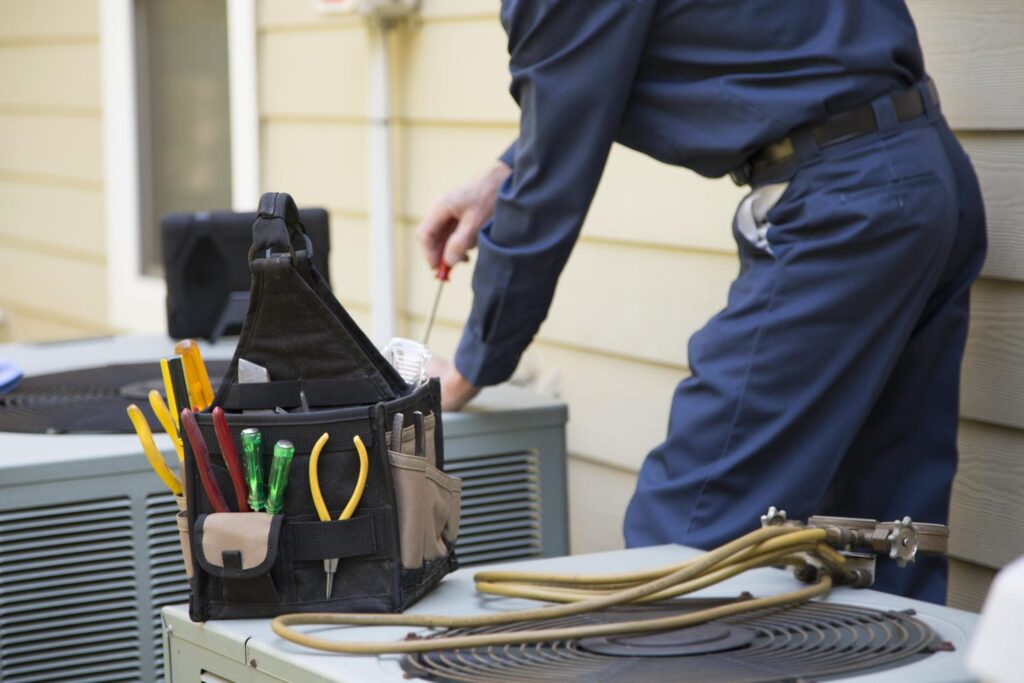
Prevention is not complicated, but it has to happen before the next hot stretch. The goal is simple: keep air moving, keep the coil clean, and catch weak parts before the AC is under peak summer load.
No maintenance plan prevents every breakdown. However, basic airflow care and pre-season service reduce the odds that a small issue turns into ice on the line, water on the floor, and a hot house.
Check Filters Before The First Real Heat Wave
Check the filter before the AC starts running for long stretches. Homes with pets, renovation dust, heavy summer use, or frequent door opening often need more frequent filter checks.
Do not wait until comfort drops. By the time the house feels wrong, the coil may already be struggling.
Keep Returns And Vents Open
Air needs a full path through the house. Returns should stay open, supply vents should not be shut across large parts of the home, and furniture should not block grilles.
This is simple, but it matters. A central AC cannot move heat properly if the duct system is starved for air.
Book Maintenance Before Peak Cooling Season
A spring service visit can catch dirty coils, weak blower performance, drain issues, and early electrical concerns before the system is under full load. That timing matters in the GTA because many cooling problems show up during the first long humid stretch.
The best repair decision is the one you make before the house is hot and the system is frozen. That gives you more control and less pressure.
Need Help With A Frozen AC?
A frozen AC is a warning that heat is not moving through the system the way it should. Cozy World has served GTA homeowners since 1991, is an Authorized Lennox Dealer, and uses factory-trained technicians to diagnose airflow, refrigerant, coil, drain, and control issues plainly. Start with air conditioner repair if the ice returns, airflow is weak, or the system stops cooling.
If the freeze-up is part of a larger age or failure pattern, we can help with that decision too. Cozy World is licensed to provide air conditioner installation and service, and we quote clearly so there are no HVAC cost surprises. If replacement turns out to be the smarter path after diagnosis, we can walk you through your options without pushing them before the evidence is there.
Frequently Asked Questions
Yes. Turn cooling off and let the ice thaw safely. If there is no electrical warning or water near electrical parts, fan-only operation may help thaw the coil, but do not force cooling to continue. After it thaws, check the filter and obvious airflow restrictions before restarting. If ice returns, book repair.
Yes. A dirty filter restricts airflow over the evaporator coil. When the coil does not get enough warm indoor air across it, it can get too cold and ice over. A filter change may solve a simple one-time issue. If the ice comes back, the cause is likely deeper.
No. Low refrigerant is one possible cause, but it is not the only one. Dirty filters, blocked airflow, dirty coils, blower problems, and control issues can also cause freezing. If refrigerant is low, the system needs leak diagnosis. Refrigerant should not need regular topping up.
Ice can block airflow and stop proper heat transfer. The fan may still move some air, but the system is no longer cooling effectively. That air can feel weak, humid, or warm at the vents. The system is running, but the cooling process has broken down.
The ice melts and becomes water. In many central AC systems, the indoor coil sits above the furnace, so thawing water can show up around the furnace area. If the drain pan, line, or pump cannot handle the water, it may leak onto the floor.
No. Do not pour hot water on the coil, chip the ice, or open sealed panels. You can damage the equipment and create a safety issue around electrical components. Turn cooling off and let the system thaw. Then check the basics and book repair if the ice returns.
Call if ice returns after a filter change, airflow stays weak, water leaks, the AC will not restart, or cooling stays poor. Also call if you hear buzzing, smell burning, or see repeated breaker trips. A one-time freeze-up may have a simple cause. A repeat freeze-up needs diagnosis.
Ready to Get an HVAC Service Quote?
Whether you have questions, need assistance, or want to schedule a service, we're here to help. Don't hesitate to contact us anytime.
