
Avoid These 7 Heat Pump Install Mistakes We Fix All The Time
November 14, 2025 | Category: Heat pump, Installation
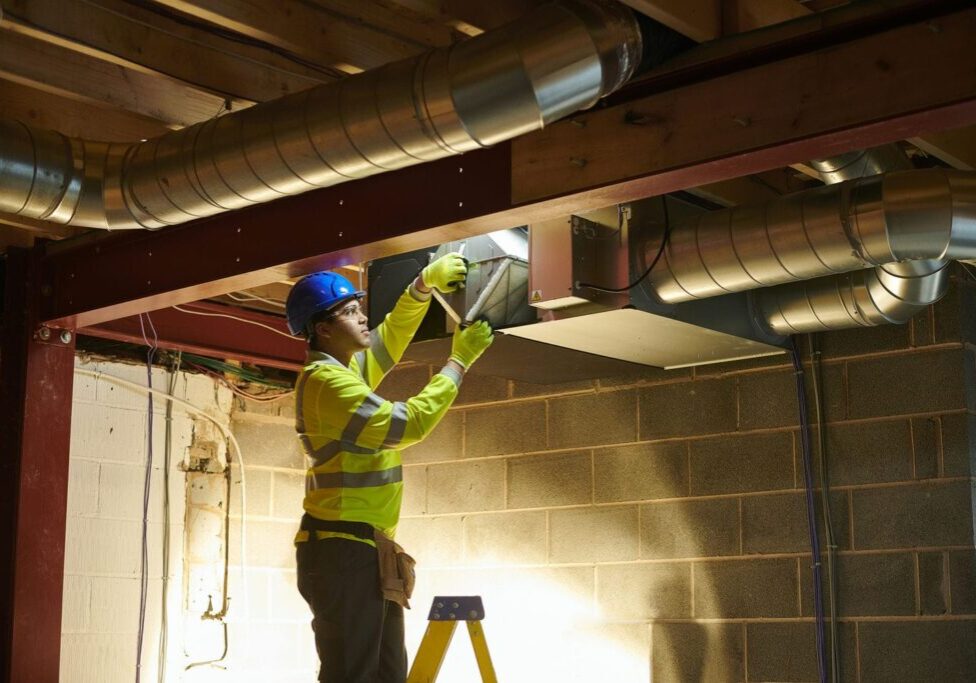
Most heat pump headaches start before day one: no load calculation, starved returns, poor outdoor placement, weak electrical planning, the wrong cold‑climate specs, sloppy condensate or defrost drainage, and skipped commissioning. The fix is a tight process that sizes, places, wires, drains, and verifies the system before hand‑off. If you want a clean install without surprises, review our heat pump installation process and what’s included.
The Short List: What Actually Goes Wrong And How To Avoid It
Most problems trace back to seven avoidable choices. Skipping a room‑by‑room heat‑loss leads to wrong capacity and airflow. Ignoring duct static makes the system loud and uneven. Poor outdoor placement creates noise issues and ice. Weak electrical planning causes delays. Buying on HSPF or SEER hides poor sub‑zero performance. Bad condensate routing freezes walkways. Skipping commissioning leaves efficiency and comfort on the table.
These errors cost you all season. You get comfort swings, higher bills, and more backup heat. You also risk neighbour complaints or failed inspections. The antidote is simple: measure first, place wisely, file the right permits, match the right model, manage water, and commission like it matters.

Mistake 1: Skipping A Room‑By‑Room Load Calculation
What Happens When You Guess
Guessing based on old furnace tonnage invites trouble. Oversizing shortens run time, raises noise, and increases cycling. Undersizing leans on backup heat during cold snaps. Both cases waste energy and miss the steady comfort heat pumps are known for.
The Right Way
Start with a room‑by‑room heat‑loss and heat‑gain. Size the outdoor unit to carry your design temperature while keeping a reasonable COP. Match the indoor air handler and blower curve so the required airflow is achieved at acceptable static pressure. Tie decisions to the home you have today, not the one you had before a window or insulation upgrade.
Cross‑Check With Cold‑Climate Specs
Do not buy on brochure “up to” numbers. Compare low‑temperature heating capacity and COP at the same sub‑zero points, typically −8, −15, and −20 °C. That shows how the unit behaves when you actually need heat. For a plain‑English walkthrough, see our cold‑climate specs explainer.
Mistake 2: Ignoring Ducts, Returns, And Static Pressure
Symptoms You’ll Notice
Whistling grilles, a rushing sound at the filter slot, weak far‑room airflow, and temperature swings between floors. These are signs of starved returns, tight filters, leaky trunks, or kinked branches. Heat pumps move more air at lower supply temperatures; they expose weak distribution quickly.
The Fix
Add or enlarge return paths, upgrade to a deeper low‑restriction media cabinet, replace tight grilles, straighten flex, and seal visible seams. The goal is simple: hit the manufacturer’s airflow at acceptable total external static pressure. That keeps the blower in its efficient range, lowers noise, and stabilises room temperatures. For a practical home check and the small fixes that matter most, see our ducts compatibility guide. https://cozyworld.ca/will-a-heat-pump-work-with-your-existing-ducts-how-to-tell/
Why Sealing Helps Right Away
Sealing supply and return joints prevents the system from pulling or dumping air in the wrong places. It also makes balancing work. Federal homeowner guidance recommends sealing ducts with foil tape or mastic to improve comfort and efficiency.
Mistake 3: Poor Outdoor Unit Placement And Noise Planning
Siting Errors We See
Units placed in snow drift paths, shoved into tight alcoves, or pointed at neighbour bedrooms cause noise and icing problems. Rigid wall mounts on resonant surfaces carry vibration into living spaces. Low stands collect snow and defrost water where you walk.
The Fix
Choose a spot with open air on the intake and discharge sides. Raise the unit for snow clearance and plan a defrost water path that will not freeze across a walkway. Add vibration isolation and face sound‑sensitive exposures away from bedrooms or lot lines. These steps are cheap compared to the cost of moving equipment after complaints.
Toronto Noise Expectations
Toronto treats heat pumps as stationary sources. Design to meet point‑of‑reception limits and use placement to cut perceived sound. If you’re in Toronto, planning with the City’s Municipal Code helps you avoid issues after install.
Mistake 4: Weak Electrical Planning And No ESA Notification
Why This Blows Up Timelines
Late discoveries kill schedules. Missing two adjacent breaker spaces, no dedicated 240‑V circuit, or added heat strips with no capacity left may force panel work or utility coordination right when you want heat. It is faster and cheaper to plan this before install day.
The Fix
Check panel space and service size early. Size breakers and conductors to the unit’s nameplate MCA and MOP. Provide a labelled outdoor disconnect in an accessible location. If heat strips are included, confirm their breaker, wiring, and staging. For a clear walkthrough of when you need panel or service upgrades, read our electrical readiness guide.
Ontario Permit Basics
In Ontario, almost all electrical work requires filing a Notification of Work with the Electrical Safety Authority before starting. The person doing the electrical work is responsible for the notification and inspections. Filing up front protects you at inspection and for insurance.
Mistake 5: Buying On HSPF Or SEER Instead Of Low‑Temp Capacity And COP
The Problem With Seasonal Averages
HSPF and SEER smooth performance across a season. They do not tell you what the unit does at −15 °C when you feel the difference. Seasonal ratings are fine for broad comparisons; they are weak for cold‑weather comfort and bills.
The Fix
Compare models at the same sub‑zero temperature points. Look for strong capacity retention and a solid COP near your design day. This is the honest way to see how a unit behaves in Ontario winters. It also keeps backup heat from running more than necessary.
Where To Learn The Numbers
Use the manufacturer’s performance tables and COP values at fixed temperatures. For consumer‑friendly definitions and context, see Natural Resources Canada’s heat pump guidance.
Mistake 6: Condensate And Defrost Drainage Afterthoughts
What Goes Wrong
Improper traps, lines pitched the wrong way, or discharge where defrost water freezes across a path. Pumps without redundancy fail at the worst time. In a thaw and freeze cycle, poor routing builds ice near the unit or foundation and triggers service calls.
The Fix
Use heat‑pump‑friendly traps, pitch lines correctly, and give water a safe path that will not ice up in typical GTA winters. Add heat trace where risk is higher. Keep drains serviceable, labelled, and photographed so future maintenance is simple.
Commissioning Check
Prove flow and test the pump if used. Confirm that defrost cycles do not flood or freeze the chosen path. Document routing with photos. These basic steps prevent nuisance calls and protect walkways.
Mistake 7: Skipping Commissioning And Control Setup
The “Set It And Forget It” Trap
Finishing the mechanical work is not the finish line. If no one verifies charge, blower setup, and balancing, the system runs loud and uneven. If controls are left at defaults, backup heat comes on too soon and bills jump.
What Good Commissioning Includes
Verify charge by weight and confirm with superheat or subcool per manufacturer guidance. Set airflow to target, check total external static, and balance key rooms. Stage backup heat and set lockouts to match your design temperature. Confirm thermostat and control logic for heat pump mode and auxiliary heat.
The Homeowner Hand‑Off
We show you typical defrost sounds and patterns, where to change filters, and what settings to leave alone. We also leave a dated checklist with final values. That makes future service faster and protects your warranty paperwork.
Quick Comparison Table: The 7 Mistakes, What You Notice, How We Fix It
| Mistake | What You Notice | How We Fix It |
| No load calculation | Cold rooms, short cycling, higher bills | Room‑by‑room calc; model match at −15 °C; correct blower setup |
| Starved returns or high static | Whistle at grilles, weak far‑room airflow | Add or resize returns; deeper media filter; seal and straighten runs |
| Bad outdoor placement | Neighbour complaints, ice near paths | Raise or relocate; vibration isolation; plan drainage and snow clearance |
| No electrical plan | Breaker issues, delays, re‑work | Panel check; dedicated circuits; labelled disconnect; file ESA notification |
| Buying on HSPF or SEER | Good brochure, poor winter comfort | Choose by low‑temp capacity and COP at fixed temperatures |
| Drainage ignored | Water stains, icing, pump failures | Correct pitch and trap; safe discharge; add heat trace as needed |
| No commissioning | Noise, uneven rooms, high auxiliary use | Verify charge and airflow; balance; tune controls and lockouts |
How We Install So You Do Not Need A Second Visit
Pre‑Install Planning
We begin with load calc, duct survey, siting, electrical assessment, and a drainage plan. You see the scope and the exact price before work begins. If a return needs enlarging or a panel needs space, you see it in writing. Clarity now avoids change orders later.
Install Day
We route lines cleanly, label circuits, isolate vibration, and seal any duct seams we touch. Stands are set for snow clearance and serviceability. Outdoor disconnects are accessible and labelled. We photograph key details so your file is future‑proofed.
Commissioning And Handover
Weigh in charge and cross‑check with superheat or subcool. Set airflow and confirm total external static. Balance rooms, stage backup heat, and confirm thermostat logic. Then we review your system operation, filter schedule, and the commissioning checklist we leave behind.
Want a no‑redos heat pump install?
Book a quick consultation. We will run the load calc, check ducts and electrical, plan siting and drainage, and commission it right the first time. Cozy World has installed across the GTA since 1991, is an Authorized Lennox Dealer, and our installers are factory trained, TSSA and HRAI registered. Start with our heat pump installation page to learn more about our services.
FAQs
Skipping the room‑by‑room load calculation. Wrong capacity leads to uneven comfort, noise, and more backup heat use. Sizing to your home today is the foundation for everything that follows.
Look for adequate returns per floor, a deeper low‑restriction filter cabinet, and sealed trunks. A quick static test confirms whether the blower can hit required airflow quietly. For more detail, see our ducts compatibility guide. https://cozyworld.ca/will-a-heat-pump-work-with-your-existing-ducts-how-to-tell/
Almost always. ESA requires a Notification of Work before starting electrical work. The person doing the electrical work is responsible for filing and arranging inspections.
Choose a location with open air, snow clearance, vibration isolation, and respect for your neighbour’s point of reception. Toronto’s Municipal Code explains how stationary sources like heat pumps are assessed.
No. Seasonal ratings do not show sub‑zero behaviour. Compare low‑temperature capacity and COP at the same fixed temperatures to predict winter comfort and bills.
Pitch drains correctly, trap them as required, and send water to a safe discharge point. Add heat trace in higher‑risk spots and verify flow during commissioning.
Sometimes. We separate must‑do items from nice‑to‑have upgrades. In tricky homes, a small ductless head can stabilise one room while minor duct work is scheduled.
Ready to Get an HVAC Service Quote?
Whether you have questions, need assistance, or want to schedule a service, we're here to help. Don't hesitate to contact us anytime.
