
How Cold Is Too Cold Before A Heat Pump Stops Working?
February 27, 2026 | Category: Heat pump
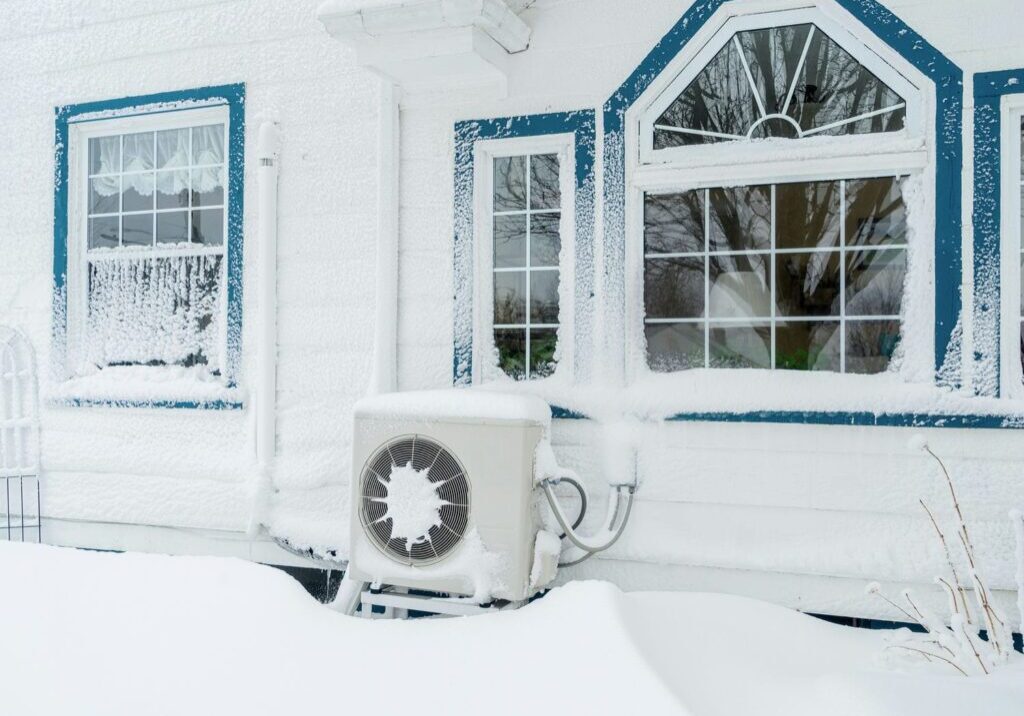
Most heat pumps do not suddenly stop at one magic temperature. In Ontario, “too cold” usually means the heat pump cannot keep up with your home’s heat loss without backup, or your system is set to lock out and hand off to another heat source. If you’re planning a heat pump installation, this page shows you how cold-weather performance really works and how to plan for it.
Here’s the catch. Homeowners often say “it stopped working” when the heat pump is actually running normally, but output is lower, defrost is happening, or backup heat is not engaging when it should.
This guide gives you plain answers, a quick way to read performance specs, and a table you can use to set expectations before the next cold snap.
The Straight Answer: It’s Not One Temperature, It’s A Balance Point

The question isn’t “what temperature makes it stop.” The real question is “what temperature makes it stop meeting your home’s demand without help.”
That point is different for every home. It changes with insulation, air leaks, duct airflow, and your controls setup.
Most Heat Pumps Lose Capacity Gradually
As the outdoor temperature drops, the heat pump has less heat available to pull from the air. It still runs, but it delivers less heat per hour than it does on milder days.
That’s why the system can feel strong in October and feel weaker in January. The equipment did not suddenly become bad. The conditions became harder. The practical takeaway is simple: cold-weather performance is a curve, not a cliff.
Some Systems Have A Lockout Setting
Some systems are configured to stop running the heat pump below a chosen outdoor temperature and use backup heat instead. That setting is called a lockout, and it’s a control decision.
Lockouts can be used for comfort, reliability, or operating cost strategy. The important thing is that a lockout can make it appear like the heat pump “stopped,” even when it’s behaving exactly as it was programmed. If you do not know your lockout setting, you do not really know what “too cold” means for your system.
Cold-Climate Heat Pumps Push Useful Heating Lower
Modern air-source heat pumps are designed to operate well below freezing, even though capacity still declines as temperatures fall. That’s the Ontario reality: they keep working, but they may need support to maintain comfort during colder stretches.
If you want a neutral, non-sales explanation of how heat pumps operate and why performance changes in winter, Natural Resources Canada lays out the basics clearly.
This is the right baseline if you’re comparing what different contractors claim a system “can do” in cold weather.
What Changes As The Outdoor Temperature Drops
Cold weather changes three things: output, efficiency, and how often the system has to manage frost. If you understand those three, you understand most winter performance questions. You also understand why backup heat is often part of a good plan.
Heating Output Drops As The Air Gets Colder
When it gets colder outside, the heat pump must work harder to move heat into your home. There is less heat available in the outdoor air, and the temperature “lift” to indoor comfort is larger.
That’s why you may see longer run times in colder weather. Longer run times are not automatically a problem. They can be normal, especially when the system is maintaining temperature instead of recovering from deep setbacks.
The real problem is not run time. The problem is when indoor temperature starts drifting down during a steady call for heat.
Efficiency Drops Too, Which Changes Operating Cost
Heat pump efficiency is often described as COP, which is a ratio of heat delivered to energy used. COP generally drops as outdoor temperatures fall, because the system is working harder to move heat.
This does not mean a heat pump becomes useless in winter. It means the system becomes less efficient as conditions get harsher, and that can influence when it makes sense to use backup heat in a hybrid setup.
Natural Resources Canada’s ENERGY STAR heat pump overview explains the heating and cooling concept, and why efficiency changes with outdoor conditions. That page is also helpful for keeping expectations realistic when you hear blanket claims about “high efficiency” at any temperature.
Defrost Cycles Become More Important In Cold, Damp Weather
In winter, the outdoor coil can frost up. Frost blocks airflow, and airflow is the system’s fuel. Defrost cycles clear frost so the unit can keep transferring heat.
Occasional defrost behaviour is normal. What is not normal is heavy ice that never clears, or a unit that sits buried in snow and can’t breathe.
In many GTA homes, winter icing and poor performance come back to placement and clearance. If you want a practical yard-level checklist for where an outdoor unit should sit, use our heat pump unit placement guide for Toronto homes.
Specs That Actually Prove Cold Performance
“Cold-climate” is a label. What matters is performance data. You want to see how much capacity the unit delivers at lower outdoor temperatures, and how efficiency changes at those same points.
This is where two systems that look similar on a brochure can perform very differently when the temperature drops. The numbers you need are usually in extended performance data, not the marketing sheet.
If you want to know which cold-weather specs actually matter in Ontario and how to compare them without getting lost, we break it down here.
The Two Temperatures That Matter More Than “Too Cold”

If you want a useful answer, focus on two temperatures: the thermal balance point and the economic balance point. One is about comfort. The other is about cost. They are not always the same.
Thermal Balance Point
The thermal balance point is the outdoor temperature where the heat pump’s output roughly matches your home’s heat loss. Above that point, the heat pump can usually maintain temperature on its own. Below that point, the home may drift cooler unless backup heat helps.
This is why two neighbours can have different experiences with the same model. A tighter home with better insulation has lower heat loss and a lower balance point. A drafty home hits the balance point sooner. If you are trying to plan for Ontario winter, thermal balance point is the truth behind the fear.
Economic Balance Point
The economic balance point is the outdoor temperature where it becomes cheaper to use your backup heat source than the heat pump, based on your utility rates and system efficiency at that temperature.
This is not a universal number. It depends on electricity rates, gas rates, your equipment, and how your system is configured. It can also change over time if rates change. The smart move is to treat it as a strategy decision, not a fixed rule you copy from the internet.
How Hybrid Heat Pump Systems Decide What Runs
A hybrid system pairs a heat pump with a furnace or another backup heat source. Controls decide what runs based on outdoor temperature and demand, so you get heat pump efficiency when it makes sense and backup capacity when you need it.
This is where correct heat pump sizing and airflow planning matter. If the duct system cannot deliver the airflow your heat pump needs, cold-weather comfort will suffer even if the equipment is capable.
How To Find Your Heat Pump’s Real Low-Temperature Performance
If you want to stop guessing, look up your exact model’s performance data. That tells you what the equipment can deliver at cold temperatures, instead of what someone hopes it can deliver.
You do not need a spreadsheet. You need the right inputs and a few clear questions.
Step List: Confirm Your Real-World Cold Limit In 5 Steps
- Find your exact outdoor unit and indoor unit model numbers
- Look up extended performance data, including capacity and efficiency at lower temperatures
- Confirm how your system is controlled, including staging, lockout, and auxiliary heat settings
- Compare cold-weather capacity to your home’s needs during cold snaps
- Adjust expectations and settings based on your balance point, not a single “cutoff” myth
This is also how you compare quotes properly. When two contractors suggest different systems, performance data makes the conversation honest. If a quote cannot explain how comfort will be maintained during colder weather, the plan is incomplete.
What To Look For In Performance Data
Look for heating capacity at colder outdoor temperatures, and look for efficiency at those same points. You are trying to understand two things: “How much heat does it deliver?” and “How hard does it work to deliver it?”
Also look for whether the unit maintains a meaningful portion of its capacity as temperatures fall. Some systems drop off faster than others, and that difference shows up during cold snaps. If you want to avoid decision fatigue, pick one or two key temperatures you care about and compare units there.
Why Your House Matters As Much As The Equipment
Equipment performance is only half the story. Your home’s heat loss, ductwork, and airflow can create a “too cold” experience even when the equipment is technically operating.
Airflow is the usual hidden limiter in ducted systems. Poor insulation and air leaks are the other big one. Both can make a good heat pump look weak. If you want reliable winter comfort, your system plan has to match your home’s reality.
Outdoor Temperature Bands And What You Should Expect
This table gives you a simple way to set expectations without chasing a single temperature number. Your exact experience will depend on the model, the home, and the control strategy.
| Outdoor Conditions | What Changes | What You’ll Notice | What To Do |
| Above 0°C | High capacity, high efficiency | Steady comfort, longer cycles than a furnace | Use a stable setpoint, let the system run |
| Around 0°C To Moderate Sub-Zero | Capacity starts to drop, defrost becomes more common | Vent air feels less “hot,” run time increases | Avoid deep setbacks, keep filters and returns clear |
| Cold Snap Range | Capacity and efficiency drop further, backup heat often matters | System runs longer, auxiliary heat may stage in | Confirm aux is working, keep outdoor unit clear |
| Very Cold Range | Heat pump may struggle to meet full load alone | Indoor temperature may drift without backup | Use a hybrid plan, confirm lockout strategy and staging |
Exact behaviour depends on your equipment, your control settings, and how much heat your home loses.
When It Feels Like The Heat Pump Stopped Working
This is where homeowners get frustrated. The system is running, but comfort drops. Sometimes that is normal cold-weather behaviour. Sometimes it is an issue that needs adjustment or service. The fastest path is to separate false alarms from real faults.
The Common False Alarms
Heat pump air often feels cooler than furnace air. That alone is not a failure if indoor temperature is rising. Longer run times are also normal, especially during colder weather.
Defrost cycles can create brief comfort changes. You may notice it more when it is cold and damp outside. That is the unit doing maintenance so it can keep transferring heat.
If comfort returns quickly after a short shift, it is usually normal behaviour.
The Real Red Flags
If the indoor temperature is dropping while the thermostat calls for heat, that’s a performance issue. If auxiliary heat never engages during cold weather when it should, that’s another major warning sign.
Repeated heavy icing that does not clear is also not normal. Neither are frequent lockouts, error codes, or breakers tripping.
Those symptoms point to airflow restrictions, control problems, placement issues, or service needs that you should not ignore.
What To Check First In Ontario Homes
Start with thermostat mode and a steady setpoint. Then check filter condition, return airflow, and whether the outdoor unit is clear of snow and able to breathe.
Finally, confirm whether auxiliary heat is available and engaging when conditions demand it. A lot of “stopped working” complaints are actually “backup heat not working” complaints.
If you want a practical, Ontario-specific checklist for what to check first when a home feels cold with a heat pump, this guide walks you through it without guesswork.
How To Make Heat Pump Heating More Reliable In Cold Snaps
Reliability is rarely about one upgrade. It’s about removing the small failure points that show up in the coldest weather. In the GTA, most cold-snap issues trace back to airflow, controls, or outdoor unit conditions.
Keep Outdoor Airflow Clear And Placement Smart
Your outdoor unit needs airflow to pull heat from outdoor air. Snow drifts, tight alcoves, and blocked coils reduce capacity fast. Keep clearance around the unit and clear snow after storms. If icing is persistent, placement and airflow restrictions are often the real cause. A heat pump cannot perform well if it cannot breathe.
Use A Winter Control Strategy That Matches Ontario Reality
Aggressive temperature setbacks can work against you. Recovery can trigger backup heat unexpectedly or create long, uncomfortable periods where the system is trying to catch up.
A steadier setpoint often delivers better comfort with fewer surprises. The best strategy depends on your home and your system, but the goal is consistent indoor temperature, not furnace-style bursts.
If you have a hybrid system, make sure the balance point and lockout strategy are intentional, not accidental.
Get A Heat Pump Plan That Works In Ontario Winter
There’s no single “too cold” temperature for every home. There is a right plan for your home. That plan combines equipment performance, airflow reality, and a control strategy that keeps comfort stable during cold snaps.
Cozy World has been in business since 1991. We’re an Authorized Lennox Dealer, and we’re TSSA and HRAI registered. We also run a no-surprises process, so the HVAC system cost is exactly as quoted in the written scope. If you want to install a heat pump with a winter strategy that makes sense for your home, start here.
Frequently Asked Questions
Most do not stop at one exact temperature. Output drops as it gets colder, and many systems rely on backup heat or a lockout setting during cold snaps.
Many systems still operate, but capacity and efficiency are lower. Whether it keeps your home comfortable depends on your model, setup, and home heat loss.
It’s the outdoor temperature where the heat pump’s output matches what your home needs. Below that, backup heat often becomes necessary.
Heat pumps deliver steadier heat at lower supply-air temperatures than furnaces. The key is whether indoor temperature is rising and holding.
Yes. Defrost clears frost from the outdoor coil so the unit can keep transferring heat. Heavy ice that never clears is not normal.
Usually no, unless you have a system fault or your contractor advised it for a specific reason. Emergency heat can bypass the heat pump and increase operating cost.
Sometimes, depending on the home and equipment, but many Ontario installs use backup heat as part of a reliable cold-weather plan.
Ready to Get an HVAC Service Quote?
Whether you have questions, need assistance, or want to schedule a service, we're here to help. Don't hesitate to contact us anytime.
