
Pros And Cons Of A Heat Pump System
March 13, 2026 | Category: Heat pump
A heat pump system can be a smart upgrade in the GTA, but it is not a universal win. The big upside is efficient heating in milder weather plus strong air conditioning from the same equipment. The tradeoffs are upfront cost, winter capacity drop, and the need for good sizing and airflow. If you are comparing options, understanding what a proper heat pump installation involves helps you judge quotes on scope, not hype.
This page covers the real pros and cons of a heat pump system. You will see where heat pumps shine in Ontario, where they can disappoint, and what you need to plan for if you want comfort to stay consistent.
The Simple Definition Most Homeowners Need
A heat pump moves heat between indoors and outdoors. In winter, it pulls heat from outdoor air and moves it into your home. In summer, it reverses and pushes heat outside, so your indoor coil becomes cold and your home gets cooled.
That definition matters because it explains the main tradeoff. A furnace makes heat by burning fuel, so the supply air feels hot. A heat pump moves heat, so supply air is often warm, not hot, and run times are longer. Comfort should be judged by whether the room temperature rises and holds, not by how hot the vent feels.
If you want to understand the mechanics before comparing quotes, Natural Resources Canada publishes a straightforward breakdown of heat pump types and how they heat and cool in residential settings.
The Biggest Pros Of A Heat Pump System In Ontario Homes
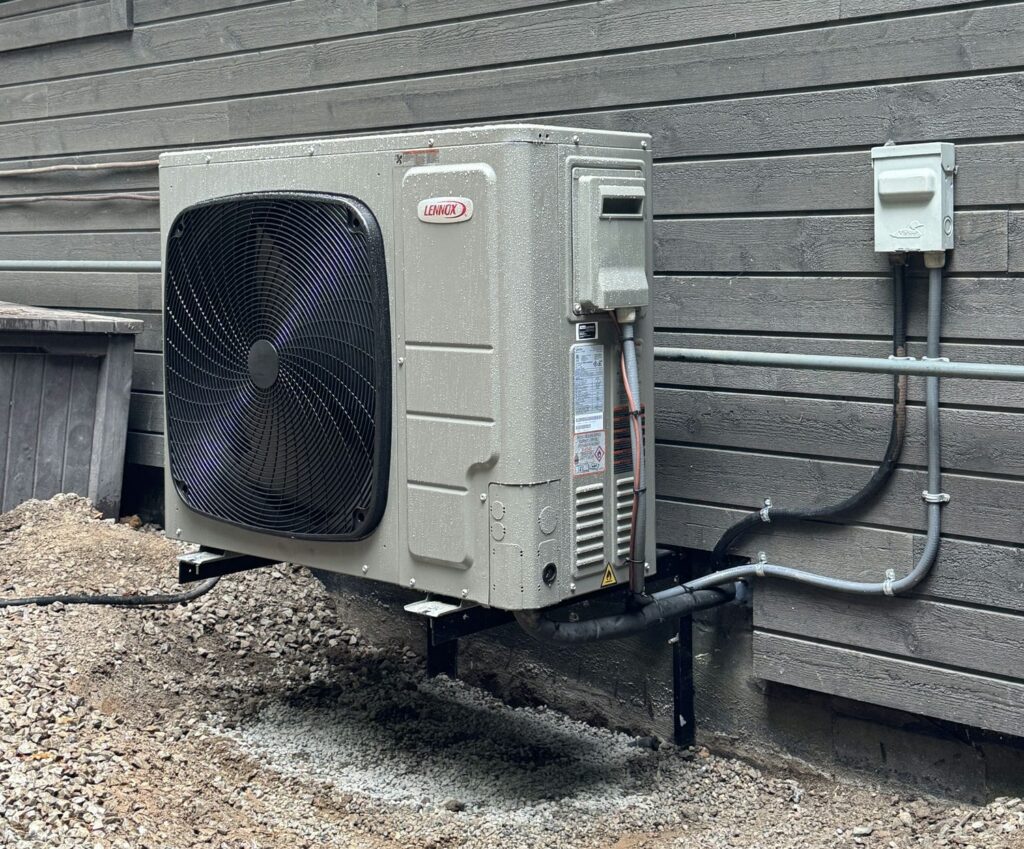
One System For Heating And Cooling
A heat pump gives you heating and cooling in one system. For many homeowners, that simplifies planning because you are upgrading comfort year-round, not only for winter.
It also makes the value easier to see in the GTA. Even if your winter strategy includes backup heat, your heat pump is still doing real work as a high-efficiency air conditioner through humid summers.
If you currently have a furnace plus an aging AC, a heat pump can feel like one coordinated upgrade instead of two separate projects.
Efficient Heating In The Temperatures You Get Most Often
Ontario winter is long, but it is not the same temperature every day. Heat pumps tend to perform best in milder winter temperatures and shoulder seasons, when the system can deliver steady heat efficiently.
That “steady” part is not just a technical detail. It often improves comfort in spring and fall because indoor temperatures feel more consistent and less swingy than short furnace cycles.
The key is planning for the colder stretches, not ignoring them. You want a system that is great most days and still reliable on the tougher ones.
Strong Summer Comfort And Humidity Control
In summer, heat pumps work like air conditioners. When sized and set up properly, they can run longer cycles that remove humidity as well as heat, which matters in the GTA.
Humidity control is one of the most underappreciated pros. A house can be “cool” but still feel sticky and uncomfortable if moisture is not being removed effectively.
This is also where install quality shows up. Good airflow and proper commissioning often matter more than small differences in equipment ratings.
Potential Rebates Can Improve The Economics
Rebates can improve the payback of a heat pump system, especially when you are upgrading both heating and cooling. The risk is assuming rebates are automatic. Eligibility often depends on program steps, paperwork, and sometimes inspections.
If rebates are part of your plan, you want a process that keeps the installation eligible from day one. Our guide to keeping your heat pump install rebate-eligible covers what that process looks like, not a scramble after the equipment is already in.
A good HVAC contractor will still quote the job as if no rebate existed, then help you keep documentation clean so you can actually claim what you qualify for.
Lower Carbon And Future-Proofing
A heat pump shifts much of your heating and cooling to electricity. For many homeowners, that supports longer-term goals like reducing reliance on fossil fuels and keeping options open as energy systems evolve.
This is not about slogans. It is about flexibility. A heat pump system can work as a primary heat source in milder conditions and can pair well with backup heat when needed.
If you want a system that can adapt as your home changes, such as renovations, additions, or updated insulation, a heat pump can be a practical foundation.
The Real Cons And Tradeoffs You Need To Plan For
Higher Upfront Cost Than A Basic Furnace Swap
A heat pump system usually costs more upfront than swapping a furnace alone. There is more equipment, more control complexity, and often more electrical scope than homeowners expect.
The most common “surprise” costs come from things like electrical upgrades, control changes, and making sure the system can actually deliver airflow through the home. That is why cheap quotes are risky. A low number often means something important was excluded.
If you want fewer surprises, the scope must be specific, and the assumptions must be written down.
Cold Weather Performance Drops As It Gets Colder
Heat pumps do not typically stop at one exact temperature. Capacity drops as outdoor temperatures drop. At some point, the heat pump may not be able to meet your home’s heat loss by itself, even though it is still running.
That is why “works in winter” is not a yes or no question. It is a planning question about balance point and how the system behaves during cold snaps. Understanding how cold before a heat pump stops keeping up is the right question if extreme cold is your main concern.
A well-planned setup accounts for this. A poorly planned setup leaves you frustrated on the coldest days of the year.
Backup Heat Is Often Part Of The Plan
Backup heat is not a failure. In many Ontario installs, it is a smart design decision that covers peak heating demand and protects comfort when conditions are hardest.
Many homes use a hybrid approach, where a heat pump handles a large portion of the season, and a furnace or another heat source supports the coldest stretches. The goal is stable comfort with a clear strategy for when backup runs and why.
Performance Depends On Sizing, Airflow, And Controls
A heat pump system can be great equipment installed poorly. The most common comfort complaints come from sizing that does not match the home, duct airflow limits, or controls that are not configured correctly.
This matters because heat pumps rely on moving a lot of air. If your ducts cannot deliver the airflow quietly, the system can get noisy, uneven, and less comfortable than what you had before. A solid heat pump sizing plan accounts for both cooling needs and winter performance, not just square footage.
In practice, the difference between “heat pumps are amazing” and “heat pumps are disappointing” is often the quality of the design and commissioning.
Outdoor Unit Placement, Noise, And Winter Maintenance Matter
Heat pumps need an outdoor unit, and that unit has real-world requirements. Placement affects noise, service access, airflow, and winter performance, especially during snow and icing conditions.
Most modern units are quiet, but poor placement can create headaches. Tight clearances can choke airflow, and vibration isolation matters in some installs.
Winter maintenance is usually simple, but it is not zero. You need to keep the unit clear so it can breathe.
Heat Pump Pros, Cons, And Who It Fits Best
The table below summarizes where heat pumps tend to deliver and where you need to plan carefully, matched to the types of homes and situations where each factor is most relevant.
| Feature | Upside | Tradeoff | Best Fit |
| Heating Efficiency | Strong in milder winter temps | Drops as it gets colder | Homes with a clear winter plan |
| Cooling And Humidity | One system for AC and dehumidification | Needs correct sizing and airflow | Homes with humid summer discomfort |
| Comfort | Longer, steadier cycles | Vent air can feel less hot than a furnace | Homeowners who want steady temps |
| Upfront Cost | Higher-value system overall | Higher initial investment | Homeowners planning long-term |
| Cold Snaps | Can still heat well with planning | Backup may be needed | Hybrid-ready homes and layouts |
| Installation Complexity | High performance when done right | Depends heavily on design and setup | Homeowners choosing a proven installer |
| System Type Flexibility | Ducted or ductless options | Each has tradeoffs | Retrofits with clear constraints |
| Rebates | Can improve economics | Eligibility steps matter | Homeowners who follow the process |
The best fit is not just square footage. It is heat loss, airflow, layout, and how the system is controlled.
Ducted Vs Ductless Changes The Pros And Cons
Why Ducted Systems Can Be Great
A ducted heat pump uses your ductwork to deliver heating and cooling throughout the home. For many homeowners, that feels familiar because it works like a furnace and central AC setup.
The upside is whole-home delivery with one thermostat and one set of vents. The tradeoff is that ducts must be able to move enough air, especially to upper floors, without creating noise or uneven temperatures.
If your duct system is healthy and balanced, ducted heat pumps can be a clean, comfortable solution.
Why Ductless Systems Can Solve Retrofit Problems Faster
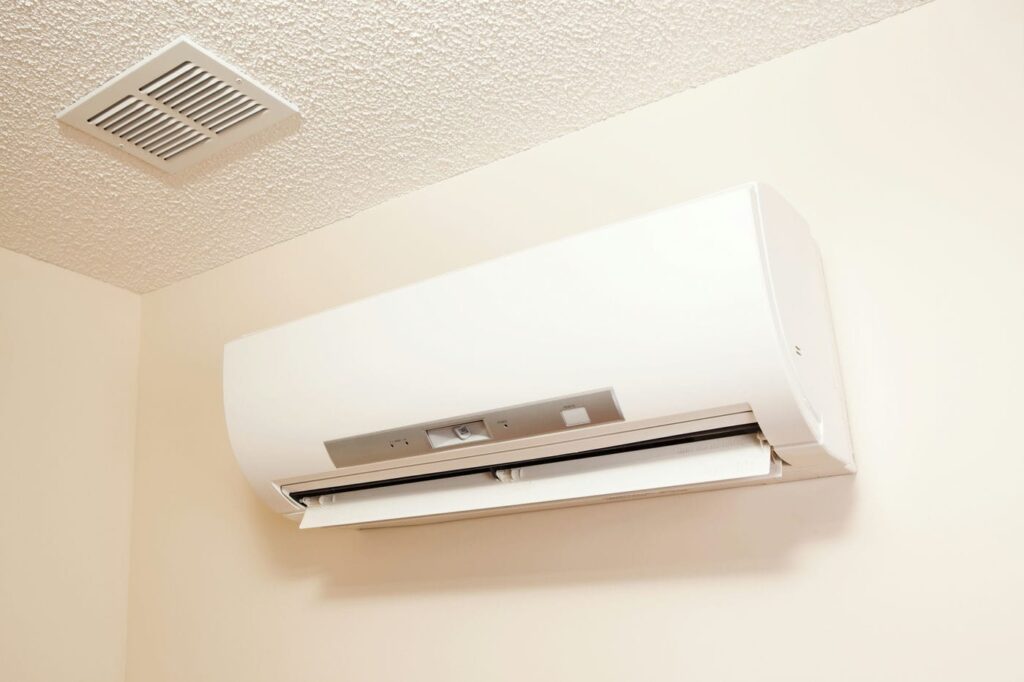
Ductless heat pumps deliver air directly to zones through indoor units, often called heads. They are a strong option for additions, older homes, and rooms that never get comfortable with central air.
The upside is targeted comfort and easier retrofit flexibility. The tradeoff is that indoor units need smart placement, and some homeowners do not love the look.
If your home has uneven rooms or duct constraints, ductless can solve problems without rebuilding ducts.
Choosing The Right Retrofit Type
Most “ducted vs ductless” decisions come down to what your home can deliver, not what looks best on a spec sheet. Our ducted vs ductless retrofit comparison breaks down the practical tradeoffs for GTA homes, including when each system type tends to win.
A good contractor should be able to explain why one delivery method fits your home better, using your layout and airflow realities.
The Short Checklist To Decide If A Heat Pump Is Right For You
Most homeowners do not need more opinions. They need a decision path. This checklist is designed to keep you focused on what actually changes the outcome.
Use it before you request quotes. It helps you ask better questions and avoid buying the wrong system.
- Confirm your main goal: comfort, cooling, operating cost, or all three
- Confirm your delivery path: ducted, ductless, or hybrid
- Confirm your winter plan: balance point thinking and backup heat strategy
- Confirm your electrical capacity and upgrade risk
- Confirm you have a sensible outdoor unit location
- Confirm your comfort priorities: humidity, upstairs balance, and noise tolerance
- Confirm rebate steps before you commit, if rebates matter to you
- Choose an installer who documents scope and commissions the system
If you cannot answer these questions, do not sign a quote yet. The best installs start with clarity, not urgency.
What To Ask Before You Sign A Quote
Most quotes sound good until you ask one follow-up question. These questions force clarity on sizing, airflow, winter strategy, and what is truly included.
Start with these:
- How was the system sized for my home, and what assumptions were used?
- What is the cold-weather plan, and when is backup heat expected to run?
- What airflow limitations or duct changes do you expect, if any?
- What thermostat and control strategy will be used, including lockout settings?
- Where will the outdoor unit be placed, and what clearances are required?
- What commissioning steps are included after install?
If a contractor answers with vague phrases like “standard install,” push for specifics. You are buying a system design, not just a box.
What A Good Quote Includes
A good quote makes it easy to compare contractors. It lists the equipment clearly, identifies what is included and excluded, and shows you what the installer is assuming about electrical, ductwork, and controls.
Look for scope language that matches reality, including outdoor unit placement, line set routing, electrical scope, and startup testing. If something is left “by others,” it should be explicit so you can price it and plan it.
Get A Heat Pump Plan That Matches Your Home
Heat pumps are worth it when the system matches the home and the winter plan is intentional. They are frustrating when they are sized loosely, installed generically, or configured without a clear backup strategy.
Cozy World has been in business since 1991, and we are an Authorized Lennox Dealer. We plan installs with clear scope, proper commissioning, and no HVAC cost surprises, so the final cost matches the written quote. If you are ready to move forward, our heat pump installation process is built around a plan that holds up in Ontario weather.
Frequently Asked Questions
Often yes, especially when you need both heating and cooling and you want steadier comfort. The key is planning for cold snaps with the right controls, airflow, and backup strategy when needed.
The biggest downsides are higher upfront cost, reduced heating capacity as temperatures drop, and performance that depends heavily on proper sizing, airflow, and controls setup.
Many heat pumps still operate well below freezing, but output and efficiency decline as temperatures fall. Whether your home stays comfortable depends on the equipment, the home’s heat loss, and whether backup heat is part of the plan.
Not always. Some homes use a heat pump as the primary heat source, while others use a hybrid setup with a furnace for peak cold demand. The right answer depends on your home and your winter comfort goals.
Most modern heat pumps are quiet when installed correctly. Noise issues usually come from poor placement, vibration transfer, or restricted airflow.
It depends on your home. Ducted systems can be great if ducts are sized and balanced. Ductless systems often solve retrofit comfort problems faster, especially in rooms that central systems struggle to reach.
It can, especially in colder weather, but it may reduce gas use. Total operating cost depends on your rates, the system’s cold-weather efficiency, and how much backup heat is used.
You need clean filters, clear airflow, and seasonal checks. In winter, keep snow and ice from blocking the outdoor unit so it can breathe and defrost properly.
Ready to Get an HVAC Service Quote?
Whether you have questions, need assistance, or want to schedule a service, we're here to help. Don't hesitate to contact us anytime.
