
Essential Guide to Choosing the Perfect Air Conditioner Size for Your Toronto Home
September 12, 2025 | Category: Air Conditioner, Air Conditioning, Cooling, Installation
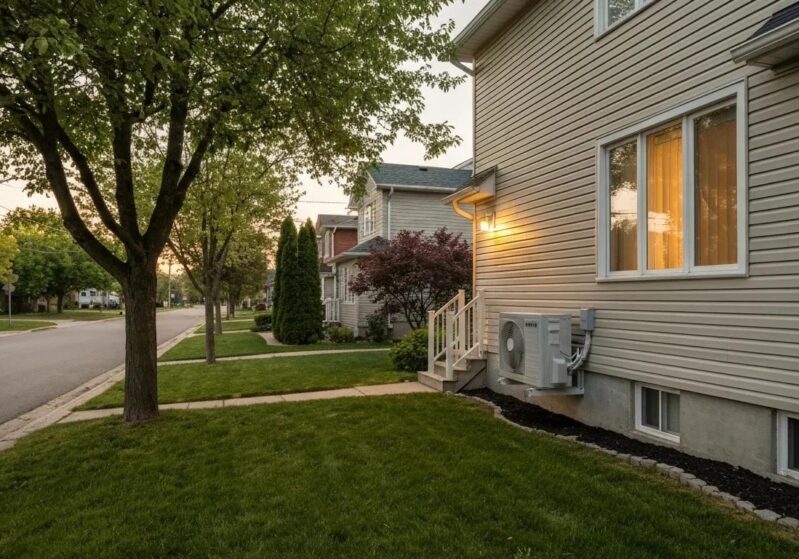
Essential Guide to Choosing the Perfect Air Conditioner Size for Your Toronto Home
Have you ever wondered how to choose the right size air conditioner for your home in Toronto? Selecting the correct cooling capacity can improve comfort, reduce energy bills, and extend system lifespan. This guide walks you through why size matters, how to calculate BTUs and tons, the value of a professional Manual J load calculation, energy efficiency ratings and rebates, system options, installation costs, and top brand considerations. By the end, you’ll have clear criteria to enhance indoor comfort and make confident decisions about AC installation in Toronto.
Why Choosing the Right Air Conditioner Size Is Critical for Toronto Homes
Oversized or undersized units lead to inefficient performance and homeowner frustration. Proper sizing balances cooling power with energy use, ensuring consistent temperatures across Toronto’s humid summers and preventing common issues like short cycling or constant running.
Risks of an Oversized Air Conditioner
An oversized AC causes short cycling, which reduces dehumidification and drives up utility bills.
- Short cycling increases wear on compressors.
- Reduced run times fail to remove excess humidity.
- Frequent on/off cycles spike energy consumption.
Oversized units can also strain ductwork with repeated pressure fluctuations, so understanding correct capacity is essential to avoid these pitfalls and maintain comfort.
Effects of an Undersized Air Conditioner on Cooling and Costs
An undersized AC runs continuously yet struggles to reach set temperatures, leading to elevated energy bills.
- Continuous operation accelerates component wear.
- Inadequate cooling leaves rooms uncomfortably warm.
- High run-times drive up electricity costs.
Because undersized systems cannot meet peak load demands, they compromise comfort and increase maintenance needs, making accurate sizing crucial for balanced performance and expense control.
Benefits of Proper AC Sizing
Proper AC sizing ensures efficient operation, balanced humidity control, and extended equipment life.
- Energy efficiency improves with steady run cycles.
- Optimal comfort eliminates hot or cold spots.
- System longevity increases as components operate within design parameters.
When an air conditioner matches your home’s load requirements, you achieve consistent temperatures and lower operating costs, paving the way for reliable cooling in every Toronto season.
Calculating the Correct AC Size for Your Toronto Home

Calculating AC size combines several factors—BTU ratings, tonnage, home dimensions, insulation, sun exposure, and local climate—to determine cooling capacity. A methodical approach ensures accurate estimates before professional verification.
BTU and AC Capacity
A BTU (British Thermal Unit) measures the energy required to raise or lower one pound of water by 1°F. It defines an air conditioner’s cooling capacity:
- A 12,000 BTU unit equals 1 ton of cooling.
- Higher BTUs deliver more cooling per hour.
Understanding BTUs lays the foundation for translating your home’s heat gain into proper equipment sizing and serves as the first step toward precise load calculation.
Tonnage and Cooling Needs
Tonnage simplifies BTU measures:
This quick reference connects living area to unit size, but customization for home specifics remains necessary to refine estimates before professional assessment.
Square Footage and Ceiling Height in AC Sizing
Square footage and ceiling height determine the base cooling load: larger or taller spaces hold more air and heat.
- Higher ceilings increase volume and require extra capacity.
- Multi-level layouts may need zoning to balance temperatures.
Accurate measurements of floor area and ceiling dimensions create a baseline that is then adjusted for insulation and other factors, ensuring balanced climate control.
Insulation and Window Efficiency Impact on AC Size
Insulation and window quality influence heat gain by reducing thermal transfer.
- Well-insulated walls limit heat intrusion.
- Double- or triple-pane windows decrease solar gain.
- Energy-efficient window coatings reflect infrared heat.
By reducing unwanted heat transfer, effective insulation and high-performance glazing lower required BTUs, allowing for smaller, more efficient systems without sacrificing comfort.
Sun Exposure and Home Orientation Affect Cooling Load
South- or west-facing windows receive peak afternoon sun, increasing interior heat gain.
- Unshaded windows boost cooling demand by up to 10–15%.
- Overhangs, awnings, and landscaping can mitigate solar heat.
Accounting for sun exposure and orientation refines load estimates, ensuring capacity aligns with real-world heat gain patterns in Toronto’s bright summer months.
Occupancy and Internal Heat Sources
Human occupants and appliances generate internal heat that adds to overall cooling requirements.
- Each person contributes roughly 400 BTUs per hour.
- Kitchens, laundry rooms, and electronics emit substantial heat.
Incorporating internal loads into calculations prevents under-sizing and maintains comfort during gatherings or heavy appliance use.
Toronto’s Climate Influence on AC Sizing Needs
Toronto’s humid continental climate features average July highs near 26 °C and significant humidity, requiring enhanced dehumidification capacity. Proper sizing ensures:
- Adequate latent cooling to manage moisture.
- Balanced sensible and latent capacity for consistent comfort.
By tailoring equipment to local temperature and humidity profiles, homeowners avoid sticky indoor conditions and keep energy use in check.
Manual J Load Calculation and Its Importance in Toronto
A Manual J load calculation is the gold standard for determining precise heating and cooling requirements. Developed by ACCA, it factors in building envelope, orientation, internal loads, and local climate to deliver accurate load figures.
How Manual J Accurately Assesses Your Home’s Cooling Load
Manual J evaluates:
- Building envelope characteristics (insulation, wall materials)
- Window sizes, types, and solar exposure
- Air infiltration from leaks and ductwork condition
- Internal heat sources from occupants and appliances
This methodical analysis yields a detailed heat gain profile, ensuring recommended AC capacity matches actual demands without guesswork.
Hiring a Certified HVAC Technician for Manual J
Certified HVAC technicians bring training and specialized software to conduct Manual J calculations accurately.
- They verify on-site measurements.
- They assess ductwork efficiency and leakage.
- They apply local climate data and code requirements.
Professional load assessments prevent costly mistakes and support equipment warranties by confirming proper specifications.
Preventing Oversizing and Undersizing Issues with Manual J
By quantifying all heat gain factors, Manual J ensures recommended capacity sits within a narrow optimal range.
Oversizing is avoided by accounting for latent loads and variable run times, while undersizing is prevented through internal and external gain considerations.
Precise sizing maximizes energy efficiency, comfort, and system longevity.
Energy Efficiency Ratings and Rebates for Savings in Toronto

High-efficiency units lower operating costs, and provincial incentives can offset upfront investment. Understanding ratings and rebate options helps homeowners choose systems that deliver long-term savings.
SEER Rating Explained
SEER (Seasonal Energy Efficiency Ratio) measures cooling output per watt of electricity over a typical season.
- Higher SEER indicates greater efficiency and lower energy bills.
- Ontario mandates a minimum of 13 SEER for central systems.
Investing in a unit with SEER 14 or above can improve savings by up to 20% compared to basic models, making efficiency a critical purchasing criterion.
Energy Star Certifications for Toronto Homeowners
Energy Star certification signifies products meeting or exceeding federal energy-efficiency guidelines. Look for:
- ENERGY STAR Most Efficient label for top-tier performance.
- ENERGY STAR Certified Most Efficient units for exceptional seasonal performance.
Certified equipment often qualifies for higher rebate amounts and delivers superior dehumidification in humid climates.
HVAC Rebates and Incentives in Ontario
Ontario homeowners can access programs such as:
- Home Efficiency Rebate Plus up to $5,000 for high-efficiency heat pumps and upgrades
- Smart Thermostat rebate up to $75
- Peak Perks incentives for off-peak energy use
These offers encourage the purchase of energy-saving equipment, reducing payback periods and making premium systems more accessible.
How High-SEER Units Lower Energy Bills
High-SEER units operate with more refined compressor cycles and improved heat-exchange designs.
- Variable-speed compressors adjust output to match cooling demand.
- Enhanced coil materials boost thermal transfer.
- Intelligent controls optimize runtime and fan speeds.
Together, these features reduce electricity consumption, delivering consistent comfort and faster return on investment. To learn more, check out our blog about Energy-Efficient AC Units and what to look for before you buy.
Ready to Find Your Perfect AC Size?
Don’t let an improperly sized air conditioner compromise your comfort or energy bills. Contact a certified HVAC professional today for a personalized Manual J load calculation and expert advice tailored to your Toronto home. Get a consultation today.
Ready to Get an HVAC Service Quote?
Whether you have questions, need assistance, or want to schedule a service, we're here to help. Don't hesitate to contact us anytime.
