
AC Won’t Turn On? What To Check Before You Call For Repair
April 30, 2026 | Category: Air Conditioner
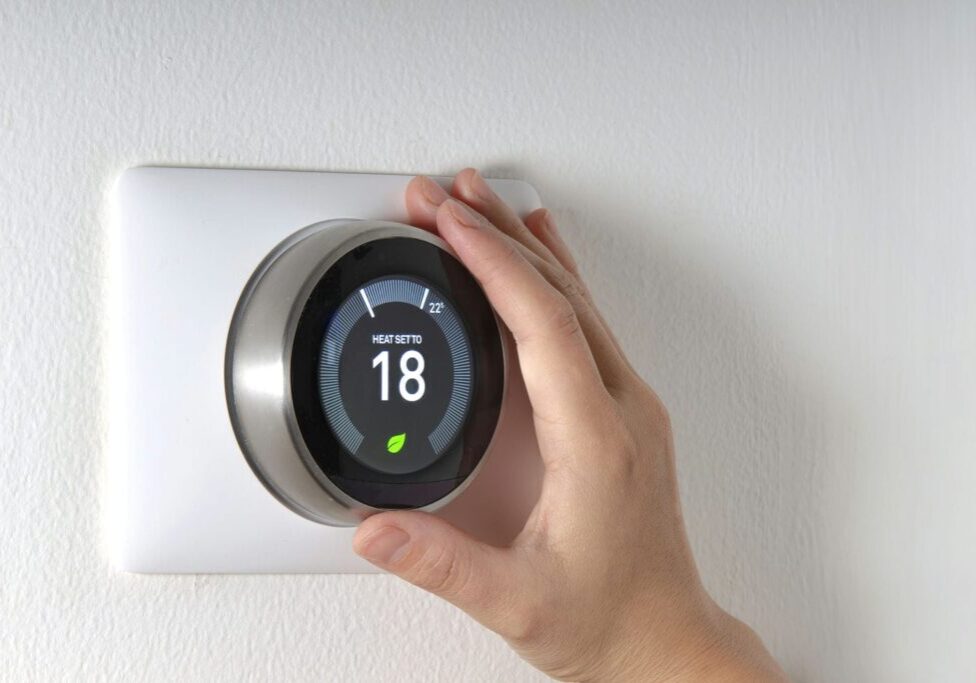
If your AC won’t turn on, start with the simple checks: thermostat mode, setpoint, batteries, furnace switch, breaker, filter, condensate safety switch, and outdoor disconnect. If the breaker trips again, the thermostat stays blank, the outdoor unit hums or clicks, or nothing starts after the basics, the next step is air conditioner repair, not another reset.
An AC no-start means the cooling system does not begin a normal cooling cycle when the thermostat calls for cooling. Sometimes nothing turns on at all. Other times, the indoor fan runs, but the outdoor condenser stays silent.
The Short Answer: Check Controls, Power, Airflow, And Safety Switches First
Most no-start AC calls fall into four buckets: controls, power, airflow, or safety switches. That means the problem may be as simple as a thermostat setting, or it may be a failed capacitor, contactor, motor, control board, or compressor-related fault. The symptom is clear. The cause is not always obvious.
Start with what you can check safely. Confirm the thermostat is calling for cooling, make sure the indoor furnace or air handler has power, check the breaker once, look at the filter, and watch for water, ice, or a full condensate pump. If those steps do not bring the system back, you have useful information for the service call.
A Dead AC Is Not Always A Dead Air Conditioner
A central AC depends on several parts working together. The thermostat has to call for cooling, the indoor unit has to move air, the outdoor condenser has to start, and safety controls have to allow the cycle to continue. If one piece drops out, the whole system can look dead from the hallway thermostat.
That is why a no-start problem does not automatically mean you need a new AC. It may be a control issue, a power interruption, a safety shutoff, or a failed outdoor part. The right move is to separate a simple reset from a real repair issue before anyone talks about replacement.
The Main Rule Is Simple: Do Not Force A Faulty System To Start
One safe check is useful. Repeated resets are not. If the breaker trips again, the outdoor unit buzzes, the thermostat stays blank, or you smell burning, stop trying to force the system back on.
Electrical parts fail for a reason. Pushing the system through a fault can make the repair harder and more expensive. It can also move the problem from comfort to safety, which is not worth the gamble.
First, Define What “Won’t Turn On” Actually Means
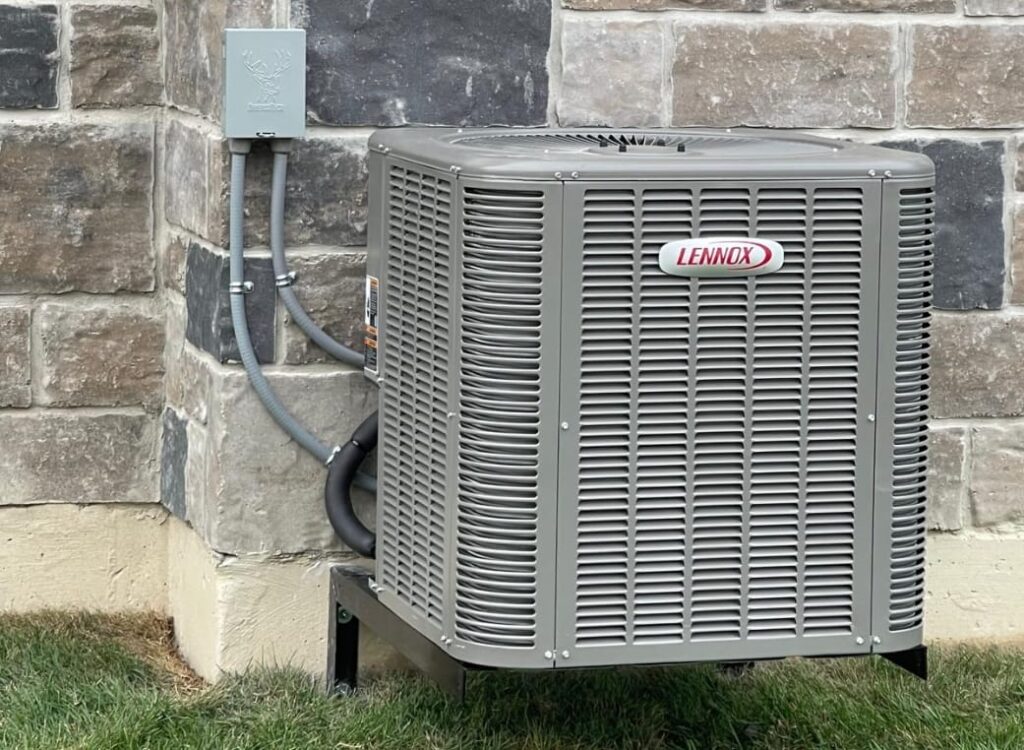
Before you follow a checklist, define the symptom. “AC won’t turn on” can mean the whole system is dead, the thermostat is blank, the indoor fan runs without cooling, or the outdoor unit tries to start and fails. Each version points to a different problem bucket.
This is where many homeowners lose time. They use one phrase for several different faults, then chase the wrong fix. A clear symptom description helps you decide whether the issue is likely thermostat, power, airflow, drainage, or outdoor-unit related.
Nothing Happens At All
If nothing happens, you may have a blank thermostat, no indoor blower, no outdoor condenser, and no response when you lower the setpoint. That can point to thermostat batteries, indoor unit power, a furnace switch, a tripped breaker, a low-voltage control issue, or a safety shutoff.
Start with the obvious items first. Check the thermostat, then the indoor switch, then the breaker. If everything looks normal and the system still does nothing, the issue likely needs testing, not more guessing.
The Indoor Fan Runs, But The Outdoor Unit Does Not
This one confuses people. The indoor blower can move air through the ducts even when the outdoor unit is not starting. From inside the house, it feels like the AC is running, but the air stays room temperature because the condenser is not doing its part.
If the indoor fan runs but the rooms stay warm, the diagnosis usually has more to do with an AC that is blowing warm air than with a no-start fault.
The Outdoor Unit Clicks, Buzzes, Or Hums But Does Not Start
Clicking, buzzing, or humming usually means the outdoor unit is trying to do something, but a key part is not allowing a normal start. Common repair-side suspects include a capacitor, contactor, fan motor, wiring issue, or compressor-related problem. You do not need to identify the exact part yourself.
Do not open the outdoor cabinet or try to push-start the fan. Those are not homeowner checks. They are signs that the unit needs electrical diagnosis from a licensed professional.
The System Starts, Then Shuts Off Quickly
If the AC starts and shuts off quickly, the issue may be short cycling, a safety switch, a frozen coil, a blocked drain, or a control fault. This is different from a system that never starts. It is still a no-comfort problem, but it points to a system that is being interrupted after it begins.
Watch the pattern. If it repeats, stop restarting the system. Repeated short starts can strain parts and hide the real cause behind a trail of symptoms.
Start Here: 6 Safe Checks To Do In 10 Minutes

This is the practical part. You can check these items without opening panels, touching wires, or working around refrigerant. The goal is to rule out simple issues and avoid unnecessary risk.
Move in order. Thermostat first, then indoor power, then breaker, then visible outdoor disconnect, then filter, then water or ice. If the system still will not start after these checks, you have reached the service-call line.
Check The Thermostat Mode, Setpoint, And Batteries
Set the thermostat to Cool. Then lower the setpoint a few degrees below the current room temperature so the system has a clear reason to start. If the thermostat uses batteries, replace them, especially if the screen is dim, blank, or flickering.
Smart thermostats add one more layer. Schedules, power interruptions, and app settings can make the thermostat look correct while the system is not actually being called to cool. Check the basic mode and setpoint at the wall, not only in the app.
Make Sure The Furnace Switch Or Air Handler Switch Is On
Many Toronto homes have central AC connected to a furnace or air handler. That indoor equipment moves the air and often powers part of the control side. If the switch near the furnace was turned off during cleaning, storage, or service, the AC may not start normally.
This check is simple and visual. Look for the service switch near the furnace or air handler and confirm it has not been switched off by mistake. Do not remove panels or touch wiring.
Check The Breaker Once, Not Over And Over
Look at the electrical panel and check whether the AC breaker or related HVAC breaker has tripped. If conditions are safe, one reset may be reasonable. If the breaker trips again, stop.
Repeated breaker resets are not troubleshooting. They are a warning that a component or circuit may be failing. That issue belongs in a repair visit, not a cycle of flipping the breaker and hoping.
Check The Outdoor Disconnect Visually
Many outdoor condensers have a disconnect box near the unit. If it has been disturbed, loosened, or switched off, the outdoor unit may not start even though the indoor side appears normal. You can do a visual check, but do not open anything complicated or handle wiring.
If the disconnect looks damaged, loose, burned, or unfamiliar, leave it alone. The right next step is professional diagnosis. Outdoor electrical components are not the place to improvise.
Check The Filter And Obvious Airflow Restrictions
A clogged filter may not directly shut down every AC. However, it can cause airflow problems, freezing, overheating on some connected equipment, and safety-related interruptions. If the filter is packed with dust, replace it before you restart the system.
Also check that return grilles are not blocked and supply vents are not all closed. Poor airflow can start a chain reaction. Fixing obvious restrictions is a safe step, but it does not replace diagnosis if the system still refuses to start.
Look For Water Backup, Ice, Or A Drain Safety Switch
Some systems have a condensate safety switch that shuts the AC down when water backs up. That protects your home from water damage, but it can leave you with a system that will not start. Look for water around the furnace, coil cabinet, pump, or drain area.
If you see water, ice, or signs of a backed-up drain, do not keep restarting the AC. The drain or coil issue behind an AC that is leaking water usually needs attention before normal cooling can return.
Quick Diagnosis Table: What Your No-Start Symptom Usually Points To
Use this table as a guide, not a final diagnosis. It helps you match what you see with the likely problem bucket. The exact cause still needs testing when the symptom involves electrical parts, water, ice, or repeated failure.
| What You Notice | Most Likely Cause Bucket | Safe First Check | Best Next Step |
| Thermostat Is Blank | Thermostat Power, Batteries, Furnace Switch, Or Control Issue | Replace Batteries, Check Indoor Switch | Book Repair If Still Blank |
| Indoor Fan Runs, Outdoor Unit Silent | Outdoor Power, Capacitor, Contactor, Or Condenser Fault | Check Breaker Once | Book Repair |
| Breaker Trips Again | Electrical Fault Or Overloaded Component | Stop Resetting | Book Repair |
| Outdoor Unit Hums Or Clicks | Failed Starting Part Or Motor Issue | Do Not Open Panels | Book Repair |
| AC Starts Then Shuts Off | Safety Switch, Drain Issue, Frozen Coil, Or Control Fault | Check Filter And Visible Water Or Ice | Book Repair If It Repeats |
| AC Is Off During Wider Outage | Utility Or Whole-Home Power Issue | Confirm House Power Status | Follow City Outage Safety Guidance |
The table narrows the likely bucket. It does not prove which part has failed. That distinction matters because a thermostat problem, a capacitor failure, and a safety switch can all look like “my AC won’t turn on” from inside the house.
8 Common Reasons Your AC Won’t Turn On
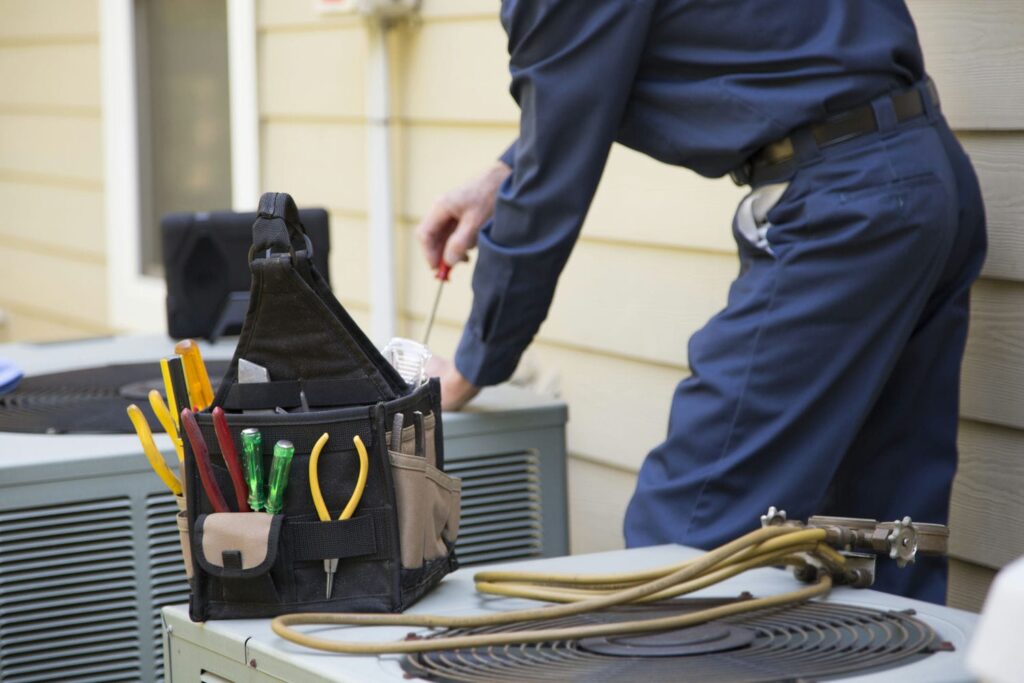
Some no-start causes are simple. Others should not be handled as DIY work. The practical path is to check easy controls and power first, then stop before you move into electrical parts or sealed HVAC components.
1. The Thermostat Is Set Wrong Or Has Lost Power
A thermostat can be in the wrong mode, set too high, running a schedule, or missing power. If the screen is blank, start with batteries if your model uses them. Then check whether the indoor equipment has power, because many thermostats depend on the furnace or air handler control circuit.
A blank thermostat does not always mean the thermostat itself is dead. It may be a symptom of a switch, breaker, wiring, safety switch, or control issue elsewhere in the system.
2. The Furnace Switch Or Indoor Air Handler Power Is Off
Central AC usually relies on the indoor furnace or air handler to move air and support the control side. If that indoor unit is off, the cooling system may not answer the thermostat call. This is why a furnace-area switch matters even in summer.
The switch may have been turned off accidentally while someone was storing items, cleaning, changing a filter, or working near the equipment. It is a small thing, but it can stop the cooling system from behaving normally.
3. The Breaker Has Tripped
A tripped breaker can make the AC look dead. It may affect the outdoor unit, the indoor unit, or both, depending on the system. Checking the panel is reasonable, but the rule is simple: once is a check, repeated resets are a warning.
Do not keep resetting a breaker that trips again. Breakers trip to protect the circuit. If the fault remains, forcing another start does not fix the problem.
4. The Outdoor Disconnect Or Condenser Power Is Interrupted
The outdoor condenser needs power to start the cooling cycle. If the disconnect is off, loose, damaged, or disturbed, the outdoor unit may stay silent while the thermostat and indoor blower seem normal. That creates a half-working system that never cools.
A visual check is fine. Handling the disconnect, opening panels, or touching wiring is not. If the outdoor unit has power issues, the repair needs proper testing.
5. The Air Filter Is So Dirty That It Has Triggered A Bigger Problem
A dirty filter may seem unrelated to startup, but airflow affects the whole cooling cycle. A severely clogged filter can contribute to freezing, poor airflow, and safety-related shutdowns. In some cases, the system will not operate normally again until the underlying airflow issue is corrected.
Replace a clearly dirty filter, then recheck the system. If it still will not start, the filter was either part of the problem or a separate maintenance issue. Either way, do not keep forcing the AC to run.
6. A Condensate Safety Switch Has Shut The System Down
Some systems are designed to stop cooling if condensate water backs up. That is a good safeguard, especially in finished basements, because it can prevent water from spilling into places it should not go. The downside is that it may leave the homeowner with an AC that suddenly will not turn on.
If you see water around the furnace, coil cabinet, or pump, this safety switch possibility matters. The drain problem needs to be corrected before the system can be trusted to run again.
7. A Capacitor, Contactor, Or Fan Motor Has Failed
If the outdoor unit hums, clicks, buzzes, or does not spin, a failed starting component or motor may be involved. These are common repair issues, but they are not safe homeowner repairs. They require testing, parts knowledge, and electrical safety.
The clue is often sound. A unit that is completely silent points one direction. A unit that tries to start and cannot points another. Either way, if the outdoor cabinet is involved, call for diagnosis.
8. The Compressor Or Control Board Has A Larger Fault
A compressor or control-board problem is more serious, but it should still be diagnosed before anyone jumps to replacement. Sometimes a smaller failed part prevents the larger equipment from operating. Sometimes the larger component really is the problem.
This is where honest repair advice matters. The technician should explain whether the no-start issue is isolated, part of a pattern, or a sign that the system is aging into bigger decisions.
When To Stop Troubleshooting And Call For Repair
The safe checklist has a limit. If the system still does not respond after the basics, or if it shows electrical warning signs, it is time to stop. The next smart step is a proper diagnosis, not another workaround.
That line protects your equipment and your home. It also protects your budget, because repeated resets and wrong guesses can turn one failed part into a larger repair.
Call If The Breaker Trips Again
A breaker that trips once may be a clue. A breaker that trips again is a stop sign. Do not keep resetting it, and do not assume the panel is the problem without checking the equipment.
Repeated trips can point to an electrical fault, motor issue, compressor strain, wiring problem, or another component pulling too much load. That needs testing, not trial and error.
Call If The Outdoor Unit Hums, Buzzes, Or Clicks
Humming, buzzing, and clicking are not sounds to ignore. They often point to starting components, motors, contactors, or compressor-related issues. The system is trying to start, but something is blocking normal operation.
Do not push the fan blade, open the condenser cabinet, or keep lowering the thermostat. Those steps do not fix the fault. They only add risk.
Call If The Thermostat Stays Blank After Basic Checks
If new batteries and obvious switch checks do not bring the thermostat back, the issue may be deeper than the thermostat itself. It could involve indoor equipment power, low-voltage wiring, a transformer, a control board, or a safety switch. Those are service-call items.
A blank thermostat is useful information. Tell the technician whether the display is fully blank, flickering, or powered but not starting cooling. That detail helps narrow the diagnosis.
Call If Water, Ice, Or Warm Air Shows Up With The No-Start Problem
A symptom stack usually means the issue is not one simple setting. If the AC will not start and you also see water, ice, or warm air from the vents, the diagnosis needs to widen. The problem may involve airflow, drainage, refrigerant behaviour, controls, or outdoor-unit operation.
At that point, stop treating each symptom as separate. A proper repair visit should connect them and explain the root cause.
What A Proper AC Repair Visit Should Include
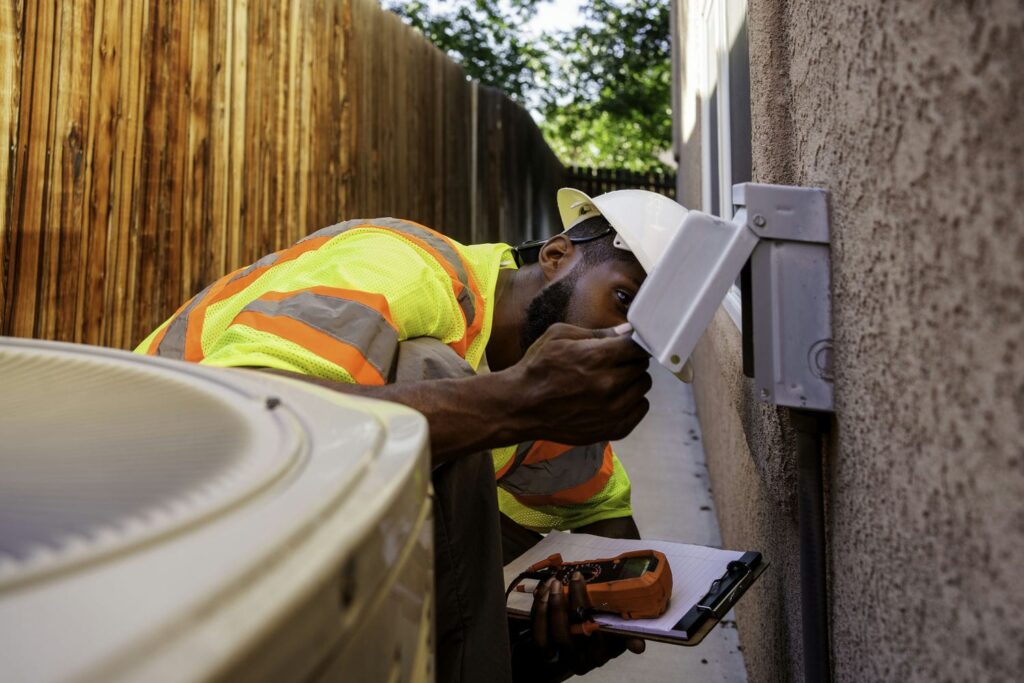
A no-start visit should not be vague. The technician should confirm the thermostat call, check indoor and outdoor power, review safety controls, and inspect the conditions that may have stopped the system. Good diagnosis is structured. Guessing is not.
You should leave the visit knowing what failed, why it matters, and whether the fix is isolated or part of a bigger pattern. That is the difference between a repair and a sales pitch.
Controls And Thermostat Verification
The technician should verify that the thermostat is actually calling for cooling. That includes checking the settings, thermostat behaviour, and control signal. This step prevents unnecessary part swapping.
Controls are the starting point because the system cannot respond to a call it never receives. Once the call is confirmed, the diagnosis can move to power, airflow, safety switches, and outdoor operation.
Indoor And Outdoor Power Checks
A proper visit should check power at the indoor unit, power at the outdoor unit, breaker behaviour, disconnect status, and obvious signs of electrical failure. This does not mean the homeowner should know the test procedure. It means the repair should not be based on a guess.
Electrical faults can look similar from the outside. A dead condenser, failed capacitor, interrupted control signal, and breaker problem can all produce a no-start symptom. Testing separates them.
Airflow, Drain, And Safety Switch Review
The visit should also check whether airflow restrictions, water backup, or safety switches are preventing operation. This is especially important in central systems where a dirty filter, frozen coil, or condensate issue can interrupt the cooling cycle.
That review keeps the diagnosis honest. A system that will not turn on may have a failed part, but it may also be protecting itself or your home from a secondary problem.
Clear Repair Recommendation
At the end, you should get a plain recommendation: simple fix, repair needed, monitor the system, or consider replacement if the equipment is failing broadly. Anything less leaves you guessing.
Useful steps to take before getting AC service or repair include clearing access to the unit, noting the symptom pattern, and writing down what you have already tried so the technician can move faster on arrival.
Repair Or Replace? What The Diagnosis Usually Decides
A no-start AC is still a repair-first problem until the diagnosis says otherwise. Many no-start calls come down to an isolated fault: thermostat, capacitor, contactor, switch, drain safety issue, or one clear electrical component. If the system has been reliable, repair is usually the first conversation.
Replacement becomes relevant when the no-start is part of a pattern. Repeated breakdowns, age-related failures, poor cooling history, corrosion, refrigerant problems, and expensive major-component trouble all change the math.
Repair Usually Makes Sense When The Fault Is Isolated
Repair usually makes sense when one clear part or condition caused the no-start. That could be a thermostat problem, switch issue, failed capacitor, failed contactor, or condensate safety problem. If the rest of the equipment is in reasonable condition, a clean repair protects your budget.
This is the balanced position. You do not replace a system because one small part failed. You repair the fault, then watch whether the system returns to normal.
Replacement Enters The Conversation When Failure Patterns Stack Up
Replacement enters the conversation when the system is older, the same no-start problem keeps returning, or the diagnosis points to bigger failures instead of one clear issue. Compressor trouble, repeated electrical faults, weak cooling history, and rust or refrigerant problems can all push the decision beyond a simple repair.
If that sounds like your situation, the top signs your home needs a new air conditioner are worth reviewing before you spend more money on short-term fixes.
How To Prevent The Next No-Start Call
Maintenance does not prevent every breakdown. It does reduce the odds that small issues turn into no-start calls during the first serious heat wave. That is the practical goal.
Think of prevention as stress control. Clean airflow, clear outdoor space, and pre-season checks help the system start and run under normal conditions instead of fighting avoidable restrictions.
Replace Filters Before Airflow Problems Build
A clogged filter can start a chain reaction: weak airflow, coil freezing, longer runtime, and system stress. It is one of the cheapest checks you can do, and it protects both comfort and equipment.
Do not wait until the house feels bad. Check filters more often during heavy use, after renovation dust, or in homes with pets. A clean filter is not exciting, but it is useful.
Keep The Outdoor Unit Clear
The outdoor unit needs space to move air and reject heat. Leaves, weeds, cottonwood, grass clippings, and tight side-yard clutter all make the condenser work harder. That added stress can expose weak parts faster.
You do not need to take the unit apart. Keep the area clear, avoid crowding it with storage, and do not let landscaping grow into the cabinet. Simple clearance helps.
Book Maintenance Before The First Real Heat Wave
A weak capacitor, dirty coil, failing contactor, drain issue, or airflow restriction is easier to catch in spring than during a hot week when the system is already under pressure. Pre-season maintenance gives you more time to make a calm repair decision.
That matters in the GTA because cooling demand can rise fast once humid weather settles in. The best time to find a weak part is before you need the AC every day.
Need Help Getting Your AC Started Again?
If the safe checks do not bring the system back, stop forcing it and book a proper diagnosis. Cozy World has served GTA homeowners since 1991, is an Authorized Lennox Dealer, and uses factory-trained technicians. Our air conditioner repair visits check the controls, power, airflow, drain safety, and outdoor unit before recommending what to do next.
If the repair is clean, we say so. If the system is aging into larger decisions, we explain that plainly and quote clearly, with no HVAC cost surprises. Cozy World is licensed to provide air conditioner installation and service, and we focus on the right next step, not a replacement conversation before the evidence is there.
Frequently Asked Questions
The common causes are thermostat settings, lost thermostat power, a tripped breaker, an outdoor disconnect issue, a condensate safety switch, or a failed electrical component. Start with the safe checks first, then book repair if the system still does not respond.
Check the thermostat mode, setpoint, and batteries. Then check the furnace or air handler switch, the breaker once, the filter, visible water or ice, and whether the outdoor unit is silent, humming, or trying to start.
One reset may be reasonable if conditions are safe and you do not see or smell anything unusual. If the breaker trips again, stop resetting it and book repair.
A blank thermostat can be caused by dead batteries, lost thermostat power, furnace or air handler power issues, low-voltage control problems, or a safety switch. If new batteries and basic power checks do not help, it needs diagnosis.
The indoor blower can run while the outdoor condenser has a power, capacitor, contactor, motor, or control issue. In that case, air may still move through the vents, but the system will not cool properly.
A clogged filter may not directly shut down every AC, but it can lead to freezing, airflow problems, and safety-related issues that stop normal operation. Replace a clearly dirty filter, then call for service if the system still will not start.
Call when the breaker trips again, the thermostat stays blank after basic checks, the outdoor unit buzzes or clicks, water or ice is present, you smell burning, or the AC still will not respond after the safe checklist.
Ready to Get an HVAC Service Quote?
Whether you have questions, need assistance, or want to schedule a service, we're here to help. Don't hesitate to contact us anytime.
