
How Exactly Does A Heat Pump Work?
February 11, 2026 | Category: Heat pump
A heat pump works by moving heat, not making heat. In winter, it pulls heat from outdoor air and moves it into your home. In summer, it reverses direction and pushes heat out, so it cools your home like an air conditioner. If you’re planning a heat pump installation, understanding this “heat-moving” cycle helps you pick the right system and avoid surprises in GTA winters.
Here’s the catch: a heat pump often feels different than a furnace. It usually runs longer and the air at the vents can feel warm, not hot. That’s normal when the home temperature is rising and holding.
This guide breaks down what’s happening inside the system, why it can still heat below freezing, and when backup heat is part of a smart plan.
Heat Pump Basics In One Minute
Heat pumps confuse people because they do two jobs with one machine. They heat in winter and cool in summer, using the same core parts.
Once you understand the “fridge in reverse” idea, the rest clicks fast.
A Simple Breakdown
A heat pump is like a refrigerator in reverse: it moves heat from one place to another using a refrigerant cycle.
That means it can pull heat out of the air outside and deliver it inside. Then it can flip direction and pull heat from inside your home and dump it outdoors.
It’s not magic. It’s a controlled loop that keeps absorbing heat in one place and releasing it in another.
What It Does In Winter Vs Summer
In winter, the heat pump’s outdoor coil absorbs heat from outdoor air, and the indoor coil releases that heat into your home. The system runs longer, steadier cycles to maintain comfort.
In summer, the system reverses. The indoor coil absorbs heat from your indoor air (cooling you), and the outdoor coil rejects that heat outside.
So the same equipment can replace or supplement both heating and cooling, depending on how your home is set up.
What NRCan Says About How Heat Pumps Work
If you want a neutral, non-sales explanation of heat pump operation, Natural Resources Canada has a clear overview of how heat pumps work, heat pump types and how they heat and cool.
This is also a helpful reference if you’re comparing what you’ve been told by different contractors. It keeps the basics honest.
The Four Main Parts That Make Heat Pumps Work
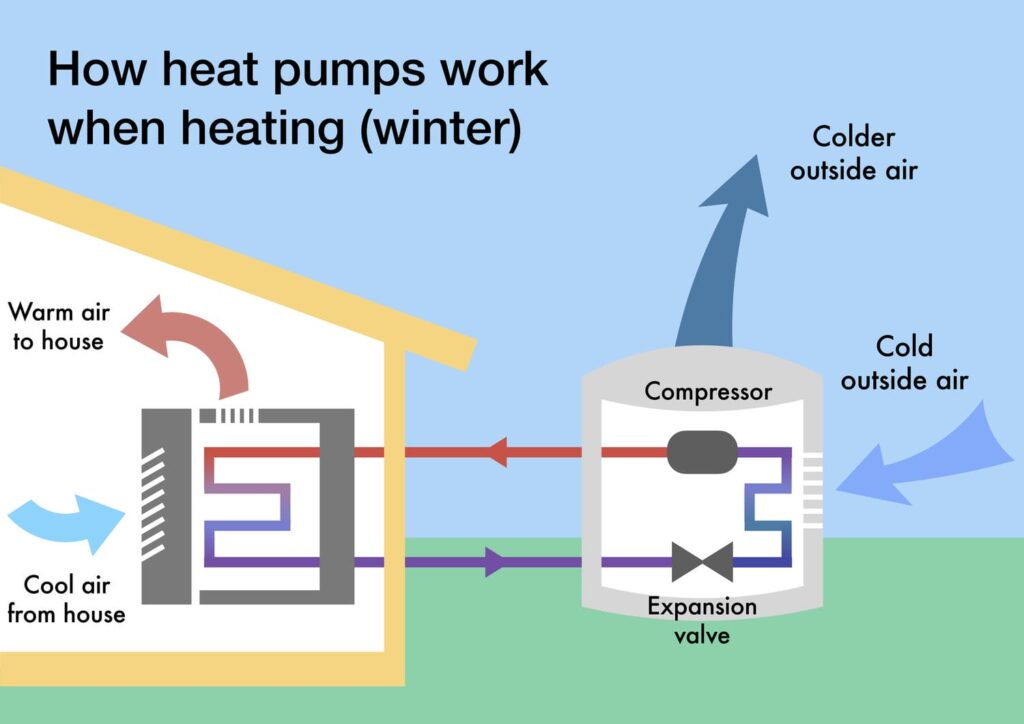
Most of the “how” comes down to four key components working together. If you know what each part does, you’ll understand most comfort issues and most quote differences.
Compressor
The compressor is the engine of the system. It increases the pressure of the refrigerant, which also increases its temperature, so heat can be delivered where you need it.
When the compressor is healthy, the system can move enough heat to keep your home stable. When it struggles, you’ll often notice weak heating or cooling, longer run times, or error codes.
Because the compressor does the heavy lifting, installation quality and setup matter. A great unit can still perform poorly if it’s not commissioned properly.
Indoor Coil And Outdoor Coil
The coils are the heat exchangers. One coil absorbs heat, and the other coil releases heat. The trick is that they swap roles depending on whether you’re heating or cooling.
In heating mode, the outdoor coil is the “collector” that pulls heat from outdoor air. The indoor coil is the “deliverer” that releases heat into your home.
In cooling mode, the indoor coil pulls heat from your home, and the outdoor coil releases it outside. Same parts. Different direction.
Expansion Valve
The expansion valve reduces the pressure of the refrigerant so it can become cold enough to absorb heat again. Think of it as the system’s controlled “pressure drop” point.
Here’s the catch: if this part isn’t doing its job, the whole system can look weak even though the compressor is running. Performance issues can feel like “it’s blowing cool air” or “it never catches up.”
Reversing Valve
The reversing valve is what lets a heat pump switch between heating and cooling. It changes the direction of refrigerant flow so the coils trade roles.
If it fails or sticks, the system can get stuck in the wrong mode. That’s rare, but it’s a good example of why heat pumps need the right controls and setup.
It also explains why a heat pump can be both an air conditioner and a heater without “two separate machines.”
The Heat Pump Cycle In Heating Mode Step By Step
Heating mode is where most Ontario homeowners have questions. How can it pull heat from cold air? Why does it run so long? Why does the vent air feel different than a furnace?
The answer is the cycle. It’s consistent, and it repeats constantly while your thermostat calls for heat.
How Heat Moves From Outside To Inside
- Refrigerant enters the outdoor coil cold and low pressure
- It absorbs heat from outdoor air as the outdoor fan moves air across the coil
- The compressor raises the refrigerant’s pressure and temperature
- The hot refrigerant moves to the indoor coil
- The indoor coil transfers heat into your indoor air stream and warms your home
- The refrigerant pressure drops again and the cycle repeats
This is why airflow matters so much. The system needs air moving across coils to “grab” and “deliver” heat effectively.
And this is why heat pumps tend to run longer. They’re moving heat steadily, not blasting high-temperature air in short bursts.
Why It Can Still Work When It’s Cold Outside
Even when outdoor air feels cold, it still contains heat energy. The refrigerant is colder than the outdoor air, so heat flows into it at the outdoor coil.
However, as outdoor temperature drops, the heat pump has less heat available to pull, and the system’s capacity declines. That’s normal behaviour, not an instant failure.
This is also why Ontario planning matters. You don’t size and design only for “mild days” if you want winter comfort without stress.
Cooling Mode Reverses The Same Cycle
Cooling mode is the same cycle, flipped. It’s why heat pumps are often described as “AC that can run backwards.”
If you understand cooling mode, you’ll also understand why heat pumps are often strong summer comfort systems in the GTA.
What Changes In Cooling Mode
In cooling mode, the indoor coil becomes the heat absorber. It pulls heat out of your indoor air, which cools the air you feel at the vents.
Then the outdoor coil becomes the heat releaser, dumping that heat outside. The reversing valve is what makes this directional change possible.
So the machine doesn’t “make cold.” It moves heat out of your home, which creates cooling inside.
Why Heat Pumps Help With Humidity In Summer
In humid GTA summers, comfort is not just temperature. It’s moisture, too. Heat pumps remove humidity by running and allowing moisture to condense on the indoor coil.
Longer, steadier run times often help with dehumidification. Short, rapid cycles can cool the air but leave the house feeling clammy.
That’s why proper sizing and airflow matter in Ontario. The best summer comfort usually comes from stable cycles, not oversized equipment.
Why Heat Pump Air Can Feel Cool And When That’s Normal
This is one of the most common concerns homeowners raise after switching from a furnace to a heat pump. Furnaces deliver very hot air in short bursts. Heat pumps work differently. They provide steadier heat at lower supply-air temperatures, which can feel cooler at the vent even while the home is warming properly.
Because of that difference, judging a heat pump by how hot the air feels at the register is misleading. The real measure of performance is whether the indoor temperature rises steadily and then holds at the setpoint.
Heat Pumps Feel Different Than Furnaces
A gas furnace produces heat through combustion, so the air leaving the vents is often hot enough to feel immediately noticeable. A heat pump moves heat instead of creating it, which results in air that feels warm but not hot, especially if you are standing directly in the airflow.
That does not mean the system is underperforming. If the room temperature is trending upward and stabilizing, the heat pump is doing its job. In many Ontario homes, this steadier approach actually leads to better comfort once homeowners stop expecting furnace-style blasts and start focusing on consistent indoor temperature.
When Cool Air Signals A Real Problem
Cool-feeling air becomes a concern when the indoor temperature is falling while the thermostat is calling for heat. At that point, the issue is no longer perception. It is performance.
Other warning signs include frequent system lockouts, repeated heavy icing on the outdoor unit that does not clear, or a system that never reaches the set temperature during typical winter conditions. These symptoms usually point to airflow limitations, control setup issues, or backup heat not engaging when it should.
In Ontario homes, those situations are often misunderstood because the system is still running. We outline the most common causes and the first checks homeowners should make when this happens in our guide on why a house can feel cold with a heat pump.
That breakdown helps separate normal heat pump behaviour from problems that actually need adjustment or service.
How Heat Pumps Perform Below Freezing In Ontario
Ontario is where heat pumps get judged hardest. Mild weather is easy. The real test is what happens when temperatures drop below freezing, winds pick up, and the home is losing heat faster than in shoulder seasons.
A properly planned heat pump system can still perform well in these conditions. It just requires realistic expectations, the right equipment selection, and in many homes, a backup heating strategy that supports the coldest days.
Why Heating Capacity Drops As Temperatures Fall
As outdoor temperatures fall, there is less heat available in the air for the system to pull indoors. The heat pump continues to operate, but it delivers less heat per hour than it does during milder weather.
That behaviour is normal. It does not mean the system has failed or shut down. It means output is declining as conditions become more demanding. This is why system design matters so much in Ontario. Equipment and controls need to match how the home behaves in January, not just how it feels in October.
It is also why broad “cold-climate” claims should be backed by real performance data. Numbers on paper matter more than marketing language once temperatures drop.
Defrost Cycles And What You Should Expect
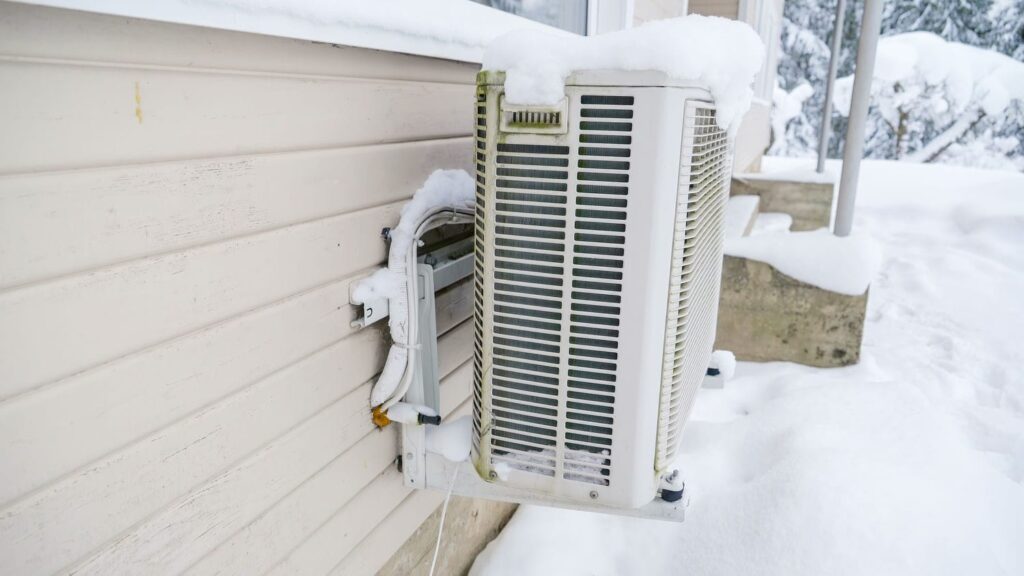
In winter, the outdoor coil can accumulate frost as it pulls heat from cold, moist air. Frost restricts airflow and reduces heat transfer, so the system periodically enters a defrost cycle to clear the coil.
During defrost, you may notice a brief change in indoor comfort. In some systems, backup heat supports the home during this period. In others, the change is simply short and noticeable. In either case, occasional defrost behaviour is normal.
What is not normal is heavy ice buildup that never clears. Persistent icing usually points to placement problems, restricted airflow, control setup issues, or a system that needs service.
If you want to understand which performance specifications actually matter for cold Ontario conditions, including how systems are rated and compared, this breakdown provides a clear reference point.
Why Backup Heat Exists And What Hybrid Really Means
Backup heat scares some homeowners because it sounds like the heat pump “can’t do the job.” That’s the wrong frame.
In many Ontario homes, backup heat is a smart design choice that covers peak cold demand and helps recovery when you need heat fast.
Backup Heat Is A Planning Decision, Not A Failure
A heat pump can cover a big part of your heating season efficiently, especially in milder winter temperatures. But when it gets colder, many homes need more heat than the heat pump can deliver on its own.
Backup heat is how you handle those peak moments without your house drifting cold. It can also help if you use deep thermostat setbacks and want quicker recovery.
The right question isn’t “do I have backup heat.” It’s “when does it run, and why.”
What A Hybrid Heat Pump System Is
A hybrid system pairs a heat pump with a backup heat source, commonly a furnace, and uses controls to decide what runs based on outdoor temperature and demand.
When conditions are favourable, the heat pump does the work. When conditions are harsher, the system stages in the backup source to maintain comfort.
Hybrid is not a gimmick. It’s a practical Ontario solution when you want both efficiency and reliable cold-weather comfort.
If you want the Ontario heat pump sizing explained in plain language, including airflow and why backup heat often carries the coldest days, this guide is the next step. It will help you understand why “bigger” isn’t always better, and why planning beats guessing.
Ducted Vs Ductless Heat Pumps: Same Tech, Different Delivery
Heat pumps come in two common delivery styles: ducted (central) and ductless (mini-split). The heat-moving technology is similar. The way the air gets into rooms is what changes.
This matters because delivery problems look like “the heat pump isn’t working” when the real issue is airflow and distribution.
Ducted Heat Pumps
A ducted heat pump uses your home’s ductwork to distribute warm or cool air. This can feel clean and familiar if your ducts are in good shape and balanced.
However, ducted performance depends heavily on airflow, returns, and duct design. If the ducts can’t deliver air to the second floor, the equipment can be fine and the comfort can still be bad.
When people complain about uneven rooms, ductwork is often the real story.
Ductless Heat Pumps
A ductless heat pump uses one or more indoor heads to deliver air directly to zones. It’s a strong option for additions, older homes without good ducts, and rooms that never get comfortable.
The tradeoff is visibility and placement. Indoor units need to go somewhere that makes sense for airflow and day-to-day living. In many retrofits, ductless solves comfort problems with less disruption than rebuilding ductwork.
If you’re comparing system types for an older home or retrofit, this comparison of ductless vs central heat pumps will help you choose the right delivery method without guessing.
How We Help You Choose And Install The Right Heat Pump System
Understanding how a heat pump works is useful, but comfort still comes down to fit and execution. Good equipment plus bad setup is still a bad outcome. This is where experience and process matter more than brochures.
We Match The System To The Home, Not The Hype
We start with your home’s reality: ductwork and airflow, layout, insulation, electrical capacity, and your comfort goals. Then we match the system type and strategy to that reality.
That means being honest about cold-weather expectations and whether a hybrid plan makes sense. It also means not oversizing to chase one season and ruining comfort in the other.
You should walk away with a plan you can explain, not a quote you’re afraid to question.
We Commission The System So It Performs Like It Should
Commissioning is where heat pump installs succeed or fail. We set up controls properly, verify airflow, and confirm the system behaves the way it should in heating and cooling modes.
This is also where we reduce the “it feels cold” complaints that come from misconfigured staging, poor airflow, or a winter plan that wasn’t made explicit.
Good commissioning protects comfort now and reduces callback issues later.
Get A Heat Pump That Performs Like The Explanation
Once you understand how a heat pump works, you can spot the difference between a real plan and a generic install. You’ll ask better questions, compare quotes more fairly, and avoid the classic Ontario mistakes around airflow, winter capacity, and backup heat strategy.
Cozy World has been in business since 1991. We’re an Authorized Lennox Dealer, our installers are factory trained, and we back a no-surprises process so the final HVAC cost matches the scope you approve. If you want to install a heat pump that’s designed and commissioned for GTA comfort, start by contacting us for a consultation.
Frequently Asked Questions
A heat pump moves heat using a refrigerant cycle, similar to a refrigerator in reverse. It pulls heat from one place and releases it in another, instead of generating heat by burning fuel.
Yes, heat pumps can heat in Ontario winters. Output drops as outdoor temperatures drop, which is normal. Many homes use backup heat to cover peak cold periods and keep indoor comfort stable.
Heat pump supply air is often cooler than furnace supply air, especially in winter. If the room temperature rises steadily and holds, it can be normal behaviour. If indoor temperature is dropping while heating is called for, it’s a problem.
A defrost cycle clears frost from the outdoor coil so airflow and heat transfer stay effective. You may notice brief changes in indoor feel during defrost, especially in cold weather. Heavy ice that never clears is not normal.
An air conditioner cools only. A heat pump cools and heats by reversing the same refrigeration cycle, so it can move heat out of your home in summer and into your home in winter.
They use similar heat-pump technology, but deliver air differently. Central systems use ducts. Ductless systems use indoor heads to heat and cool zones. The best fit depends on your home’s layout and ductwork.
Not always, but many Ontario homes include backup heat to handle peak cold demand and faster recovery when needed. The right setup makes it clear when backup runs and why.
Ready to Get an HVAC Service Quote?
Whether you have questions, need assistance, or want to schedule a service, we're here to help. Don't hesitate to contact us anytime.
