
What SEER2 Rating Makes Sense For A Toronto Home?
June 13, 2026 | Category: Air Conditioner
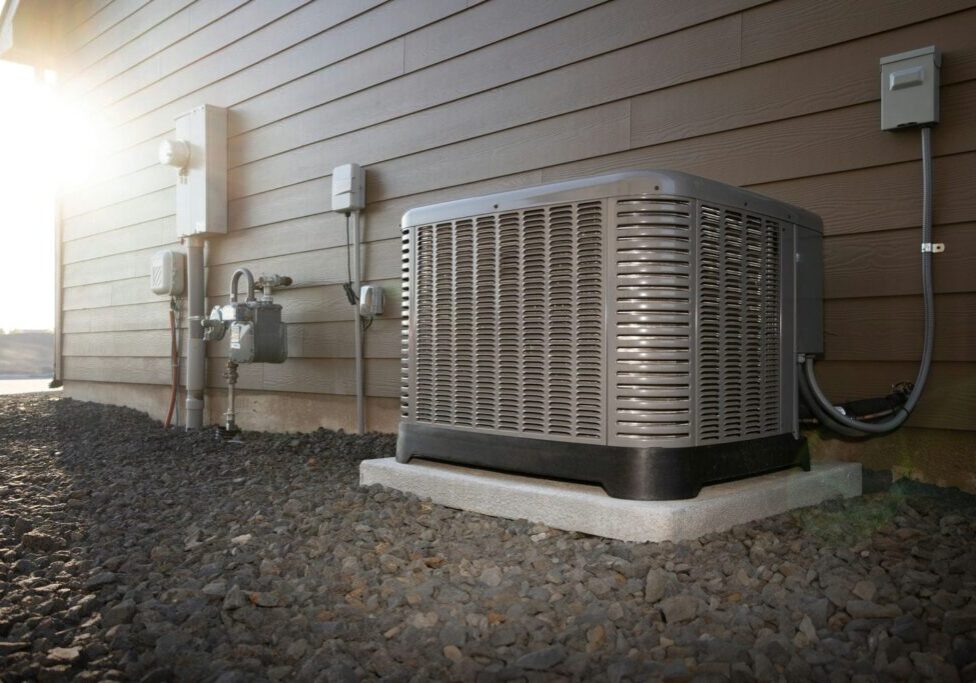
For most Toronto homes, the best SEER2 rating is not automatically the highest rating available. It is the rating that fits your home’s cooling load, ductwork, furnace blower, usage, comfort goals, budget, and how long you plan to stay. If you are choosing a new air conditioner, compare SEER2 only after the system is properly sized and matched to the home.
SEER2 is a seasonal cooling efficiency rating. The higher the number, the less electricity the system should use to deliver the same cooling under the test method. However, the test rating is not the same as your real-world comfort, your exact hydro bill, or the quality of the installation.
Here’s the practical point. A correctly sized mid-efficiency AC can be a better buy than a premium high-SEER2 unit installed on weak ducts, mismatched coils, or poor airflow. Buy the system, not just the number.
The Short Answer: Choose The Best Fit, Not The Highest Number
A Toronto homeowner should usually compare three options: a minimum-compliant system, a sensible mid-efficiency system, and a higher-efficiency system only if the comfort, sound, warranty, and operating-cost case is strong. The highest SEER2 rating may be impressive on paper. It is not always the best use of your money.
The right choice depends on how the home behaves in July and August. A lightly used AC in a shaded home has a different value case than a west-facing second floor that runs hot every afternoon. So, start with fit. Then compare efficiency.
For Most Homes, Start With A Sensible Step Above Minimum
Canada’s efficiency regulations set the floor, not the finish line. A minimum-compliant AC can still be a reasonable choice for a light-use home, a tight budget, or a shorter ownership timeline. It is not automatically a bad system.
That said, many Toronto homeowners should compare at least one step-up model. The system will likely run for years, and a modest efficiency upgrade may also bring quieter operation, better build quality, or better comfort features. Minimum compliant does not mean poor. High efficiency does not mean smart by default.
Go Higher When Runtime, Comfort, Or Quiet Operation Justifies It
A higher SEER2 rating makes more sense when the AC runs often, the second floor stays hot, the family works from home, or quiet operation matters. In those cases, the value is not only lower electricity use. It is often the better compressor, better staging, quieter condenser, and steadier comfort that come with the higher-tier system.
That is why the “best” SEER2 rating is not a single number. It is a match between the home, the equipment, and the homeowner’s priorities. If the upgrade solves a real comfort problem, it deserves a serious look.
Do Not Pay For SEER2 Your House Cannot Deliver
A high-SEER2 unit can disappoint if the ductwork is weak, the indoor coil is mismatched, or the system is oversized. Efficiency ratings assume the equipment is installed and matched correctly. Your home does not care what the brochure says if airflow is poor.
This is the catch most quotes gloss over. You are not buying a rating sticker. You are buying a cooling system that has to work inside an actual Toronto home.
What SEER2 Actually Means

SEER2 stands for Seasonal Energy Efficiency Ratio 2. It compares cooling output against electricity use under a newer test method. A higher SEER2 rating means the equipment is designed to deliver more cooling per unit of electricity under that test.
That makes SEER2 useful. It lets you compare equipment more fairly. However, it is still only one part of the buying decision.
SEER2 Is A Seasonal Efficiency Rating
Think of SEER2 like fuel economy for cooling. It tells you how efficiently a system should deliver cooling under standard test conditions. It does not promise your exact monthly hydro cost.
Your real cost depends on thermostat settings, insulation, shade, ductwork, airflow, maintenance, home layout, and weather. A high-SEER2 system in a poor installation can still waste money. A sensible SEER2 system in a tight, well-matched installation can perform well.
SEER2 Is Not The Same As Old SEER
SEER2 is the newer rating language, so do not compare it one-to-one with older SEER numbers from an old brochure or a previous quote. The 2023 testing changes that introduced SEER2 brought new rating values and nomenclature for cooling efficiency, expressed in British thermal units per watt-hour.
That matters when replacing an older AC. Your old unit may have been sold under older SEER language. Ask the contractor to compare current options using the same rating language so you are not mixing old and new labels.
Higher SEER2 Can Reduce Cooling Energy Use, But Payback Depends
Higher SEER2 usually means lower electricity use for the same delivered cooling. But “usually” is not enough to make a buying decision. The savings have to make sense against the installed cost premium.
Toronto has real cooling demand, but it is not Phoenix or Miami. A premium upgrade may be worth it for comfort, sound, and long-term use. It may not pay back on energy savings alone if the AC runs lightly.
SEER2 Range Table For Toronto Homeowners
Use this table as a quote-review tool, not a rulebook. It gives you a practical way to compare base, mid-range, and premium options. The final answer still depends on sizing, equipment match, airflow, and installation quality.
| SEER2 Range | When It Often Makes Sense | Watch-Out | Best Question To Ask |
| Minimum-Compliant, Around 13.4+ SEER2 | Budget replacement, light AC use, shorter ownership timeline | Fewer comfort, sound, or staging benefits | Is this the right fit, not just the lowest price? |
| Mid-Efficiency, Often Around 15–17 SEER2 | Many Toronto detached, semi, and townhouse replacements | Payback depends on runtime and installed cost | What do I gain over the base option? |
| Higher-Efficiency, Often 18+ SEER2 | Long-term home, heavy cooling use, comfort or quiet priorities | Premium may not pay back on energy alone | What comfort features come with the higher rating? |
| Highest Available | Specific comfort, noise, rebate, or long-term ownership case | Not worth it if ducts, sizing, or coil match are weak | Will my home actually benefit from this system? |
The Government of Canada’s Energy Efficiency Regulations list Seasonal Energy Efficiency Ratio 2 ≥ 13.4 for typical split-system central air conditioners, other than space-constrained or small-duct high-velocity units, manufactured on or after January 1, 2023. Treat that as a current regulatory floor for common equipment, not as a recommendation for every home.
The exact SEER2 rating should be verified for the matched indoor coil, outdoor unit, and air-moving equipment. Natural Resources Canada explains that the rated SEER reflects indoor and outdoor components working together, so pairing a new high-efficiency outdoor unit with an old indoor coil can leave the actual efficiency unknown.
What Changes The Best SEER2 Rating For Your Home

SEER2 is one input. Your home decides whether the upgrade is worth it. A small, shaded bungalow with light AC use does not need the same decision as a larger west-facing home with a hot second floor.
The mistake is treating efficiency like a trophy. It is not. It is a tool. It has to fit the load, the ductwork, the homeowner’s habits, and the budget.
Your Cooling Runtime
The more your AC runs, the more efficiency can matter. A family that cools the home all summer, works from home, and keeps the thermostat steady has a stronger case for a better efficiency tier. More runtime gives the upgrade more chances to earn its keep.
A home that only uses AC during heat waves has a different case. In that situation, a reliable, correctly sized, mid-range system may be more pragmatic than chasing a premium rating.
Home Insulation, Windows, Shade, And Upper-Floor Heat
Heat gain changes the decision. Large west-facing windows, limited attic insulation, poor shading, dark roofing, and hot upper floors can all increase cooling demand. SEER2 can help with operating efficiency, but it does not cancel out a high heat load.
If the second floor is always hot, do not assume a higher rating alone will fix it. The issue may be airflow, returns, insulation, duct layout, or equipment sizing. The rating matters, but the house still has to cooperate.
Ductwork And Furnace Blower Compatibility
Central AC depends on airflow. If the ducts are undersized, the returns are weak, or the furnace blower cannot support the cooling airflow, the system may not deliver the comfort promised in the quote. A high SEER2 rating does not force air through a weak duct system.
Natural Resources Canada says the existing fan and ductwork should be examined when using an existing system, because air conditioning may need more airflow than the system was designed to handle. That is exactly why the quote should look at the whole system, not just the outdoor condenser.
Homeowner Timeline And Budget
A homeowner staying 10 years has a different decision than someone preparing to sell. If you plan to stay, better efficiency, quieter operation, and stronger comfort features may be worth the premium. You will live with the system long enough to feel the difference.
A tight budget does not mean you should accept a poor installation. It means the money should go first to correct sizing, matched equipment, clean installation, and warranty clarity. Those basics matter more than the last few efficiency points.
SEER2 Vs. Sizing: The Rating Cannot Fix A Bad Fit
Sizing comes before SEER2. A correctly sized mid-efficiency AC can outperform an oversized high-SEER2 unit in real comfort. The rating does not fix short cycling, poor humidity removal, weak airflow, or bad duct design.
Getting the sizing right comes down to choosing the perfect air conditioner size for your Toronto home, where tonnage, load, windows, insulation, and layout all matter before you settle on an equipment tier.
Oversized AC Can Still Feel Damp
An oversized AC can cool the air quickly, shut off too soon, and fail to remove enough humidity. That can leave the home cold but clammy. It can also create more starts and stops than the system should have.
Natural Resources Canada warns that oversizing causes short operating cycles, poor humidity removal, and lower overall efficiency. That is why a bigger or higher-rated unit is not automatically better.
Undersized AC Can Run Constantly
An undersized AC may run for long stretches and still fail to satisfy the thermostat on the hottest days. That means poor comfort, more wear, and frustration upstairs or in sun-exposed rooms. Higher SEER2 does not make an undersized system magically catch up.
This is why the quote should start with the cooling load. Efficiency helps once the size is right. It does not rescue a system that cannot meet the house’s demand.
Ask For A Load Calculation, Not A Guess
Ask how the contractor calculated the cooling load. “Same size as before” is not enough if the old system was wrong, the home changed, or comfort was poor. Rules of thumb are convenient. They are not a proper design method.
Natural Resources Canada recommends that cooling loads be determined by a qualified air-conditioning contractor using a recognized sizing method, and says homeowners should insist on a thorough analysis rather than simple rules of thumb.
Installation Quality Can Beat A Bigger SEER2 Number
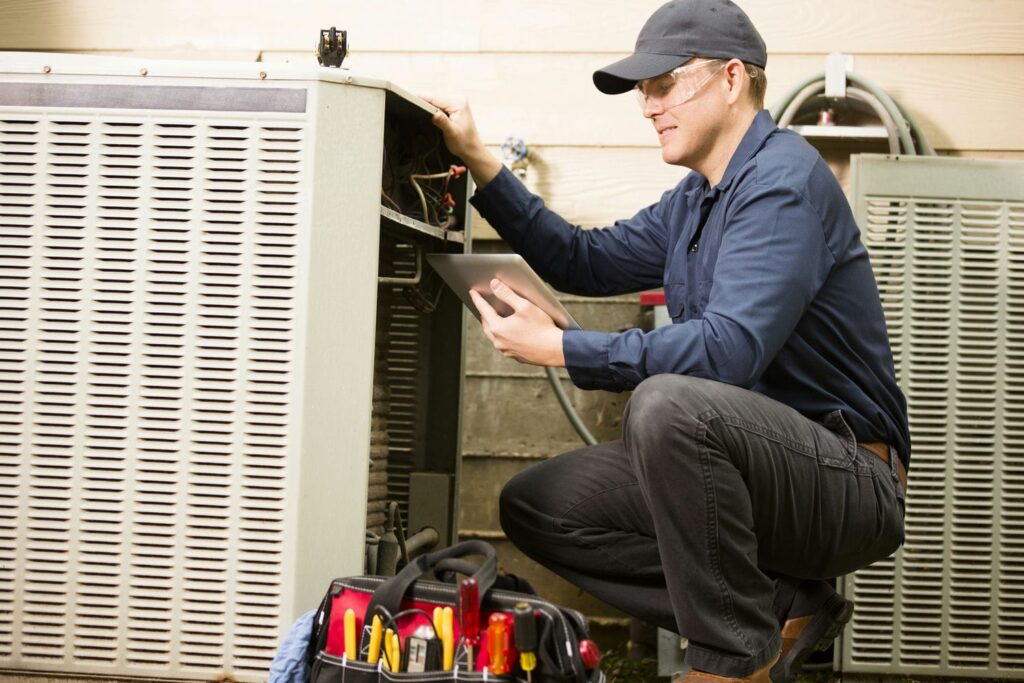
A well-installed, properly matched, correctly charged system matters more than a glossy efficiency number. The best quote is not the one with the biggest SEER2 rating. It is the one that proves the system will work in the actual house.
That means the contractor must look at the outdoor unit, indoor coil, furnace blower, electrical needs, airflow, drain setup, refrigerant line condition, sound placement, and installation scope. SEER2 belongs inside that conversation. It should not dominate it.
Matched Indoor Coil And Outdoor Unit Matter
The outdoor condenser and indoor coil are designed to work as a matched set. If the quote lists a high-SEER2 outdoor unit but ignores the indoor coil, the number may not mean what you think it means. The indoor side can limit the real rating and the real comfort.
Natural Resources Canada says that when replacing an existing central AC, the existing indoor coil should generally be replaced with one matched to the new outdoor unit, because the new unit will not deliver its rated efficiency if the old coil is not replaced.
Airflow, Refrigerant Charge, And Drainage Matter
Airflow affects comfort, humidity control, freeze-up risk, and efficiency. Refrigerant setup affects performance and reliability. Drainage affects whether the system quietly removes humidity or creates water problems around the furnace area.
These are not bonus details. They are part of a proper installation. A high-SEER2 system installed with poor airflow or careless setup can become a high-priced disappointment.
Quiet Operation And Placement Matter In Toronto Lots
Toronto lots can be tight. Side yards, bedroom windows, neighbours, fences, and narrow driveways all affect how livable an outdoor condenser feels. A slightly lower-SEER2 unit that is quiet, well placed, and properly mounted may be a better daily experience than a premium unit placed badly.
Natural Resources Canada’s central AC guidance tells homeowners to consider outdoor unit noise and placement, including avoiding locations where noise will be a problem for you or your neighbour. That is practical advice in dense GTA neighbourhoods.
How To Compare AC Quotes Without Getting Distracted By SEER2
Do not compare quotes by SEER2 alone. A useful quote should show the model, matched rating, capacity, indoor coil, warranty, installation scope, and what is included. It should also explain what changes between the base, mid-range, and premium options.
The weak quote sells a number. The strong quote explains a system. That difference protects your budget.
Ask For The Exact Matched Rating
Ask whether the listed SEER2 rating belongs to the exact system being installed. That means the specific outdoor unit, indoor coil, and air-moving setup. A product-family brochure number is not enough.
This question is simple, but it exposes vague quoting fast. If the contractor cannot explain the matched rating, you do not yet know what you are buying.
Compare Installed Cost, Warranty, Features, And Assumptions
A higher-SEER2 system may include better staging, quieter operation, longer warranty terms, or better humidity control. Or it may simply cost more. The quote should explain what changes when you move from base to mid-range to premium.
Do not let the efficiency number hide the assumptions. Ask how long the system is expected to run, what comfort issue the upgrade solves, and what the installed cost difference actually buys.
Watch For Vague “High Efficiency” Language
Be cautious when a quote says “high efficiency” without listing the exact matched SEER2 rating. Also be cautious when the quote ignores ductwork, indoor coil match, electrical requirements, drain setup, warranty, or installation scope. A vague quote is not a premium quote.
A broader buying checklist beyond SEER2 covers the features to look for in energy efficient AC units that can matter alongside the rating.
When A Higher SEER2 Rating Makes Sense
A higher SEER2 rating can be a smart buy. The point is not to avoid premium equipment. The point is to buy it for the right reason.
Higher efficiency makes sense when the home will use it, the system is matched properly, and the upgrade includes benefits you care about. Energy savings may be part of the value. Comfort and sound often matter just as much.
You Plan To Stay In The Home
A higher-efficiency system makes more sense when you plan to stay in the home long enough to use it. You will benefit from the lower operating cost, better comfort features, quieter operation, and warranty value over more seasons.
For a short ownership timeline, the decision gets tighter. A premium system may still help resale or comfort, but the case needs to be clear. Do not buy the top option just because it is the top option.
The Home Has Heavy Cooling Demand
Homes with hot upper floors, larger windows, long cooling hours, limited shade, or high comfort expectations may benefit more from a better system. If the AC runs often, efficiency has more time to matter.
Still, the system has to be sized properly. Heavy cooling demand does not mean oversize the unit. It means calculate the load, check airflow, and choose equipment that can deliver comfort without short cycling.
You Want Better Comfort Features, Not Just Efficiency
Many higher-SEER2 systems also bring staged or variable-capacity operation, lower sound levels, and better humidity control. These features can make the home feel more stable, especially during long humid stretches.
This is often the real reason a higher-tier system feels worth it. The energy savings are part of the value. The comfort package may be the bigger reason.
When A Basic Or Mid-Range Rating Makes More Sense
Sometimes the smart choice is not the most expensive one. A reliable, properly sized, mid-range AC can be the right answer for many Toronto homes. That is not settling. That is good judgement.
The key is not to cheap out on installation quality. A basic or mid-range unit still needs correct sizing, matched components, clean workmanship, and a clear warranty.
You Use AC Lightly
If you only run the AC during heat waves or a few weeks each summer, a premium SEER2 upgrade may be harder to recover through energy savings. A dependable, properly installed system may serve you better than a higher rating you barely use.
This is especially true in shaded homes, smaller homes, or households that prefer natural ventilation when weather allows. Usage should shape the decision.
You Are Solving A Failed Unit With A Tight Budget
When the old AC has failed and the budget is firm, the priority is a safe, correct replacement. That means proper sizing, compatible equipment, clean installation, clear warranty terms, and no hidden scope gaps. Do not sacrifice those basics to chase a higher rating.
A mid-range system installed well usually beats a premium system installed poorly. That is the line to protect.
The Ductwork Or Furnace Limits The Benefit
If the ductwork, returns, or furnace blower limit airflow, a higher-efficiency outdoor unit may not give the expected comfort. In that case, the smarter spend may be airflow correction, indoor coil matching, or choosing a system that fits the home’s real limitations.
This is where an honest quote matters. The contractor should explain whether the home can support the equipment. If the ducts cannot move the air, the SEER2 number becomes less useful.
You May Move Soon
If you expect to move soon, the best decision may be a reliable, compliant replacement with a clean installation record and clear warranty. That can protect the home’s value without overspending on premium efficiency that the next owner may not fully value.
If you are still deciding whether replacement is justified at all, the top signs your home needs a new air conditioner can help you separate a tired system from one that still has a reasonable repair path.
What To Ask Before You Choose A SEER2 Rating

Use these questions during quote review. They keep the conversation practical and prevent the decision from turning into a simple race for the highest number. You want the right system for the home, not the flashiest line item.
A good contractor should answer these plainly. If the answers are vague, the quote is not ready.
What Is The Matched SEER2 Rating Of This Exact System?
Ask for the exact matched SEER2 rating of the installed system. That means the specific outdoor unit, indoor coil, and compatible air-moving equipment. A generic rating from a brochure is not enough.
This question matters because AC systems are rated as combinations. The matched rating is the number that belongs in your decision.
What Changes Between The Base, Mid, And Premium Options?
Ask what you get for the extra money. Is it better efficiency, quieter operation, staged cooling, variable-capacity performance, a stronger warranty, a different product tier, or all of the above? The answer should be specific.
If the only explanation is “it saves money,” ask for the assumptions. Runtime, hydro rates, comfort priorities, and ownership timeline all affect that claim.
Will My Furnace, Coil, And Ductwork Support This Efficiency?
This is the homeowner-friendly way to test whether the contractor is thinking about the whole system. A high-efficiency outdoor unit needs the indoor side to support it. That includes the coil, blower, ductwork, and return air.
If the answer ignores airflow, ask again. A central AC is not just the box outside.
What Is The Real Comfort Benefit In My Home?
Ask what the upgrade actually changes. Will it help with humidity, noise, long cycles, hot upper floors, or steadier comfort? Or is it mainly an efficiency upgrade with modest comfort difference?
This question keeps the conversation honest. Higher SEER2 is useful when it solves a real problem. It is weaker when it only sounds impressive.
What Is The Warranty Difference?
Warranty can change the value of a higher-tier model. Ask what parts are covered, how long the coverage lasts, what registration is required, and what labour is or is not included. Do not assume every option carries the same protection.
Keep this in perspective. Warranty is not the whole decision. But when two systems are close, better coverage can help the stronger option make sense.
Need Help Choosing The Right SEER2 Rating?
SEER2 matters, but it is not the whole decision. Cozy World has served GTA homeowners since 1991, is an Authorized Lennox Dealer, and uses factory-trained installers to size, match, and install central AC systems properly. We help you compare efficiency, comfort, warranty, and installed cost without pushing the biggest number before the home supports it.
If you are replacing an AC, we can walk you through you air conditioner installation from sizing through to a clean, properly matched setup, and we quote clearly so there are no HVAC cost surprises.
Frequently Asked Questions
The best SEER2 rating depends on the home, but many Toronto homeowners should compare a minimum-compliant system with a sensible mid-efficiency option before paying for premium efficiency. The right choice depends on cooling runtime, house size, ductwork, comfort expectations, sound, budget, and how long you plan to stay. For many homes, the best answer is not the highest number. It is the best-matched system. Correct sizing and installation quality matter before the efficiency tier.
No. A higher SEER2 rating can reduce cooling electricity use, but the installed cost premium has to make sense. The upgrade is stronger when the home has long runtime, comfort issues, quiet-operation priorities, or a long ownership timeline. Sizing, ductwork, coil match, airflow, and installation quality can matter more than the last few efficiency points. Do not pay for a rating the house cannot use.
For typical split-system central air conditioners, other than space-constrained or small-duct high-velocity units, the current Government of Canada Energy Efficiency Regulations list Seasonal Energy Efficiency Ratio 2 ≥ 13.4 for equipment manufactured on or after January 1, 2023. Different categories have different requirements, so the equipment match should be verified. That number is a floor, not a buying recommendation. A Toronto homeowner should still compare comfort, noise, installation quality, and long-term value.
No. SEER2 uses newer testing language and should not be compared directly with older SEER ratings. If you are replacing an older AC, ask the contractor to compare current options using the same rating system. This prevents quote confusion. An old SEER number and a new SEER2 number are not clean apples-to-apples comparisons.
Yes, but not by itself. Old or weak ductwork can limit airflow and comfort, which can reduce the real benefit of a higher-rated system. The ducts and blower should be checked before you choose premium equipment. If the ductwork cannot support the required airflow, the better spend may be airflow correction or a system that fits the home’s limits. SEER2 is useful only when the system can actually deliver it.
Choose size first. A correctly sized AC with a sensible SEER2 rating is usually better than an oversized high-SEER2 unit. The system has to match the cooling load before efficiency upgrades are compared. Once the size is right, SEER2 becomes a useful comparison point. Until then, it can distract you from the real decision.
Yes, but only if the quotes show the exact matched system rating. Compare the outdoor unit, indoor coil, capacity, warranty, installation scope, and matched SEER2 rating. A product-family brochure number is not enough. Also compare what the upgrade includes. A higher rating with better staging and quieter operation is different from a higher rating with no clear comfort benefit.
Ready to Get an HVAC Service Quote?
Whether you have questions, need assistance, or want to schedule a service, we're here to help. Don't hesitate to contact us anytime.
