
Why Is My AC Blowing Warm Air? 9 Likely Causes In GTA Homes
March 25, 2026 | Category: Air Conditioner, Installation, Replacement
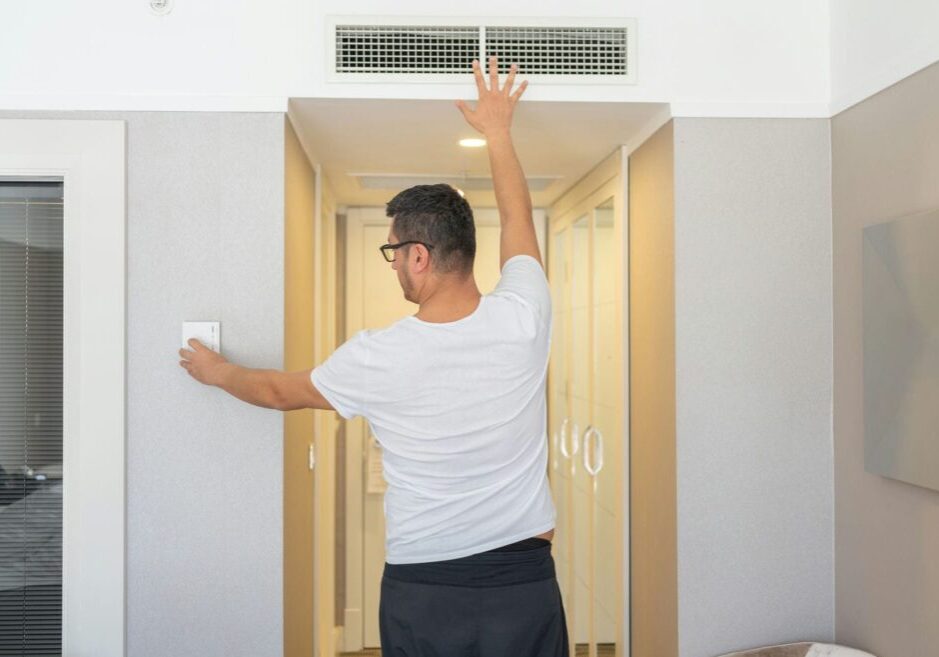
When an AC blows warm air, the cause usually falls into one of three buckets: the controls are wrong, airflow is restricted, or the outdoor and cooling side is not doing its job. Sometimes the fix is simple. However, if the outdoor unit is silent, the coil is icing up, or the breaker keeps tripping, you are usually past simple troubleshooting and into air conditioner repair territory.
In this context, “blowing warm air” means the system is running, air is coming out of the vents, but that air does not feel clearly cooled. In other words, the blower is moving air, but the cooling cycle is not delivering the comfort you expect.
The Short Answer: Warm Air Usually Comes From 3 Problem Buckets
Warm air is a symptom, not a diagnosis. In most GTA homes, the issue starts with controls, airflow, or the outdoor cooling side. That makes this problem frustrating, because two homes can show the same symptom and need very different fixes.
Settings Or Control Issue
The first bucket is the simplest. The thermostat may be set to the wrong mode, the fan may be set to “On” instead of “Auto,” or a schedule may be overriding what you think the system should be doing. In that case, the AC can appear to run while the house gets little or no actual cooling.
Airflow Issue
The second bucket is airflow. A clogged filter, blocked return, closed supply vents, or a frozen indoor coil can all stop cooled air from moving properly through the house. When airflow drops, rooms feel muggy and flat, and many homeowners describe that as “warm air,” even when the system is still trying to cool.
Outdoor, Refrigerant, Or Electrical Issue
The third bucket is the serious one. The indoor blower can keep pushing air through the ducts even when the outdoor condenser is off, a key electrical part has failed, or the refrigerant side is struggling. That is why “the AC is running” does not always mean the whole system is cooling.
Start With These 5 Checks Before You Assume The Worst
Before you call for service, do the safe checks that do not involve tools, wiring, or refrigerant. These steps will not fix every problem, but they can catch the obvious issues and stop you from paying for a visit that ends with a one-minute thermostat correction. They also help you separate a small mistake from a real mechanical fault.
Check The Thermostat Mode, Setpoint, And Fan Setting
Make sure the thermostat is set to Cool, not Heat, Off, or Fan. Then set the temperature a few degrees below the current room temperature so the system has a clear call for cooling. Finally, check that the fan is on Auto, because On keeps the blower running all the time and can make the vents feel warm between cooling cycles.
Check The Air Filter And Return Airflow
Pull the filter and look at it honestly. If it is grey, packed with dust, or visibly clogged, replace it before you assume a bigger failure. Then make sure return grilles are not blocked by furniture, boxes, or rugs, because poor return airflow can drag comfort down faster than most homeowners expect.
Make Sure The Outdoor Unit Is Running
Step outside and check whether the outdoor unit is actually doing anything. You are looking for fan movement, normal operating sound, and clear airflow out the top of the unit. If the indoor blower is on but the outdoor unit is completely silent, the problem is no longer a comfort complaint. It is a system fault.
Look For Ice, Water, Or A Frozen Line
If you see ice on the refrigerant line, on the indoor coil area, or around the outdoor unit, stop there. A frozen system does not need more runtime. It needs the right diagnosis, because forcing it to keep running can strain parts and delay the actual fix.
Check For A Tripped Breaker Or Obvious Power Issue
You can safely check whether a breaker has tripped. If it has, one reset may tell you whether the trip was a one-off or a sign of a deeper fault. If it trips again, or if the unit hums, clicks, or struggles to start, stop guessing and stop resetting.
Quick Diagnosis Table: What Your Symptom Usually Points To
Match what you notice with the most likely problem bucket to narrow the field before assuming every warm-air problem has the same answer.
| What You Notice | Most Likely Cause Bucket | Safe First Check | Best Next Step |
| Thermostat says cool, but air feels neutral | Settings or control issue | Confirm Cool mode, lower setpoint, fan on Auto | Recheck after 10 to 15 minutes |
| Weak airflow and warmer air | Filter or airflow restriction | Replace filter and check returns | Watch for ice, then book service if needed |
| Indoor unit runs, outdoor unit is silent | Power or electrical issue | Check breaker once | Book repair |
| Air starts cool, then turns warm | Frozen coil or refrigerant issue | Look for ice or water | Turn cooling off and book service |
| One floor stays hot while others are better | Duct or airflow issue | Check open vents and obvious blockages | Ask for airflow and duct diagnosis |
| Buzzing, clicking, or hard starts | Capacitor, contactor, or compressor issue | Do not open panels | Book repair |
The point is simple. Warm air from the vents is often the end result of a chain of problems, not the beginning. The faster you narrow the symptom properly, the less likely you are to waste time on the wrong fix.
9 Likely Causes Your AC Is Blowing Warm Air
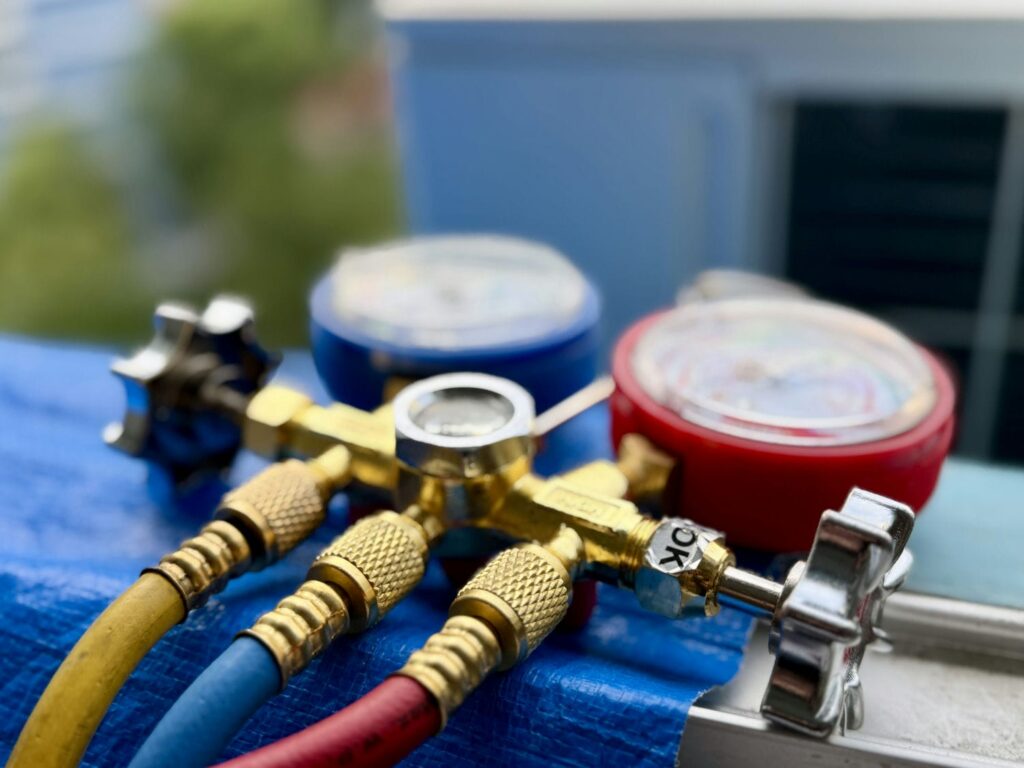
Here’s the catch: homeowners often look for one magic reason, but warm air is what several different failures look like from the living room. The right approach is to move from easy causes to more serious ones. That keeps you practical and keeps the diagnosis honest.
1. The Thermostat Is Set Wrong, Or The Fan Is Set To “On”
This is more common than people like to admit. A thermostat can be left on Heat, a schedule can reset the setpoint, or the fan can be set to On, which keeps room-temperature air moving even when the condenser is not cooling. If the system seems to be “running” but the air never feels clearly cold, start here before you assume a parts failure.
2. The Air Filter Is Clogged
A dirty filter can choke airflow enough to weaken cooling and upset the whole system. The house feels stale, certain rooms lose comfort first, and the equipment has to work harder to get less done. In many GTA homes, the first real hot spell exposes a filter problem that built up quietly over weeks or months.
3. Airflow Is Blocked Indoors
Sometimes the filter is fine, but airflow is still poor because return grilles are blocked, supply vents are closed, or furniture is cutting off circulation. You can also get room-by-room comfort problems when the home has awkward duct runs, tight hallways, or upstairs spaces that trap heat. That does not always mean the refrigerant side is failing. It may mean the cooled air simply is not getting where it needs to go.
4. The Outdoor Unit Has Lost Power
The indoor blower and the outdoor condenser are linked, but they do not fail in the same way. If the outdoor unit loses power or a key starting part fails, the indoor blower can still move air through the ducts, and that air will feel warm or only slightly cool. This is one reason the symptom confuses homeowners. The system sounds alive, but half the job is not happening.
5. The Outdoor Condenser Is Dirty Or Blocked
The outdoor unit needs room to release heat. If the coil is packed with dirt, leaves, fluff, or grass clippings, cooling efficiency drops and vent air can start to feel weak or warm. Side-yard installations in GTA homes are especially prone to this because tight clearance, fencing, and seasonal debris can restrict airflow around the unit.
6. The Evaporator Coil Is Frozen
A frozen coil sounds backward, but it is a classic warm-air complaint. As ice builds, airflow drops, cooling falls off, and the house starts feeling warmer even while the system keeps trying to run. If you see ice, do not treat that as proof the AC is “working hard.” Treat it as a sign that airflow or refrigerant conditions need proper diagnosis.
7. Refrigerant Is Low Because There Is A Leak
Refrigerant does not get used up like fuel. If the system is low, there is usually a leak or another underlying fault in the sealed cooling circuit. The common pattern is longer run times, weaker cooling, possible icing, and a house that never quite catches up on hot days. Bottom line: a top-up without diagnosis is not a real fix.
8. A Capacitor, Contactor, Or Compressor Part Is Failing
Electrical parts often fail in an ugly, inconsistent way. The system may start sometimes, hesitate other times, click, buzz, or shut off under load. That creates the kind of comfort complaint homeowners hate most, because the AC may work in the morning, struggle in the afternoon, and leave you wondering whether the problem is even real.
9. The System Is Old, Undersized, Or Badly Matched To The Home
Some warm-air complaints are really system-fit complaints. An older unit may still run, but it cannot keep up with the home’s heat load anymore, especially in upstairs rooms or homes with weak duct design. In other cases, the equipment was never a great match for the house to begin with, so every hot stretch exposes the same comfort limits again.
When To Call, And What A Technician Should Actually Check
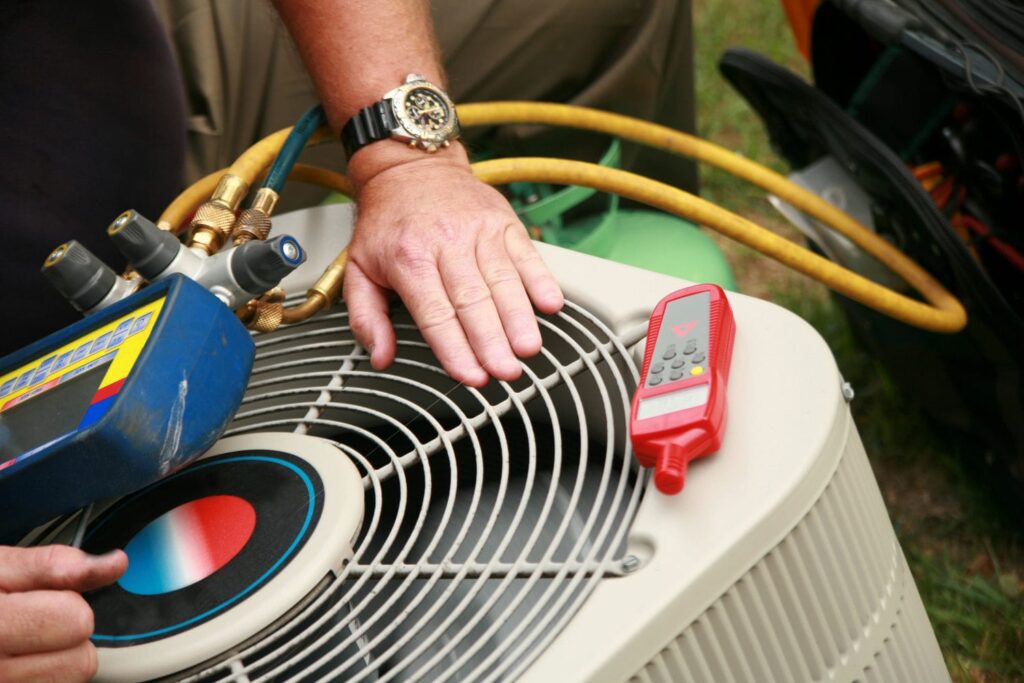
You do not need to panic over every weak cooling day. However, you do need to know when the problem has moved beyond safe homeowner checks. The goal of a service call is not to “try a few things.” It is to confirm the real fault and rule out the expensive guesses.
Red Flags That Mean “Turn It Off And Stop Guessing”
Turn the cooling off if you see ice, smell burning, hear loud buzzing, or the breaker trips again after one reset. Those are not “wait and see” symptoms. They are signs the system may be straining parts, risking further damage, or operating unsafely.
What A Proper Service Visit Should Check
A proper diagnosis should look at controls, airflow, coil condition, outdoor operation, and the likely electrical or refrigerant side of the fault. That means checking more than the thermostat and more than the filter. If a technician cannot explain whether the issue is settings, airflow, power, refrigerant, or age-related system decline, the diagnosis is not done yet.
What To Do Before Service Arrives
Before the visit, replace the filter if it is clearly dirty, clear easy debris around the outdoor unit, and note when the problem started. It also helps to remember whether the system ever cooled properly that day, or whether it blew warm from the start. Knowing what to do before getting AC service or repair helps the visit go faster and the diagnosis go deeper.
Why This Happens So Often In GTA Homes
The symptom is common here for a reason. GTA summers put long runtime, humidity, dust, and home layout weaknesses on display fast. A marginal system can hide in mild weather, then fall apart when the first real heat arrives.
The First Real Heat Wave Exposes Problems Fast
Parts that were already weak in spring often fail when the AC finally has to run hard for hours. Capacitors, contactors, clogged filters, and borderline condensers can limp along in mild weather, then show their true condition in the first hot stretch. That is why so many warm-air calls seem to happen “all of a sudden.”
Outdoor Units Get Packed With Seasonal Debris
Leaves, fluff, grass cuttings, and general grime build up outside quietly. Then the unit has to reject heat in a tight side yard on a hot afternoon, and the weakness shows up at the vents. The outdoor unit may not look dramatic from the curb, but poor clearance and a dirty coil can erode cooling faster than most people think.
Older Homes Often Have Airflow Weak Points
Many GTA homes have additions, uneven second floors, older duct layouts, or return-air limitations that distort how cooling feels from room to room. That matters because homeowners often describe the symptom as “warm air,” when the deeper problem is weak distribution or poor airflow balance. The answer is still HVAC work, but not always the same kind of HVAC work.
Repair Or Replace: The Right Next Step
Not every warm-air problem leads to replacement. Many do not. A thermostat correction, filter change, capacitor replacement, or isolated repair can put a system right back into service if the equipment is otherwise in sound shape.
Repair Usually Makes Sense When
Repair is usually the sensible call when the issue is isolated, the system has been cooling reliably up to this point, and the diagnosis points to one clear fault. That includes control problems, airflow restrictions, or single-part failures that are not part of a larger pattern. In those cases, you want a clean fix, not a replacement pitch.
Replacement Is Worth Discussing When
Replacement enters the conversation when the same comfort problem keeps coming back, the unit is older, or the diagnosis reveals stacked issues instead of one clean fault. If the system struggles every summer, has refrigerant trouble, or still fails to cool evenly after repairs, the smarter next step may be air conditioner installation rather than another stopgap repair. Recognizing the top signs your home needs a new air conditioner early gives you time to compare options before a peak-season failure forces the decision.
How To Prevent The Next Warm-Air Call
Prevention is not glamorous, but it is cheaper than guessing during a heat wave. Most warm-air complaints do not begin as dramatic breakdowns. They start as neglected filters, poor outdoor airflow, delayed maintenance, or small weaknesses that get worse under load.
Change Filters On Schedule
Check the filter regularly and replace it when it is actually dirty, not when the calendar guilt finally catches up with you. Homes with pets, renovation dust, or heavy summer runtime often need more frequent checks. Natural Resources Canada’s maintenance guidance and home air conditioning guidance both advise homeowners to inspect, clean, or change air filters regularly and to follow recommended procedures for heating and cooling equipment.
Keep The Outdoor Unit Clear
Keep shrubs, leaves, and clutter away from the condenser so it can move heat out of the home properly. You do not need to dismantle anything or spray chemicals into the unit to help it. In many cases, basic clearance and routine cleaning already improve how hard the system has to work.
Get Maintenance Done Before Peak Summer
The best time to find a weak part is before the hottest week of the season, not in the middle of it. Pre-season maintenance helps catch airflow issues, dirty coils, and aging electrical parts before they show up as a warm-air complaint. It also gives you time to make a repair decision without the pressure of a house that is already overheating.
Need Help Getting The Cooling Back On Track?
If the quick checks do not bring the cooling back, the next smart step is a proper diagnosis, not more trial and error. Cozy World has served GTA homeowners since 1991, has offices in Toronto, Richmond Hill, and Burlington, and is an Authorized Lennox Dealer with a factory-trained team. When the issue is repairable, we focus on the real fault and explain it plainly. If you need help now, our air conditioner repair team can diagnose the fault and explain the right fix.
Frequently Asked Questions
Because “running” only tells you the blower is moving air. It does not confirm the thermostat is calling correctly, the outdoor condenser is operating, airflow is healthy, or the refrigerant and electrical sides are doing their job.
Yes. A clogged filter can restrict airflow enough to weaken cooling and, in some cases, contribute to a frozen coil. That is why the filter is one of the first things to check before you assume a bigger repair.
If you see ice, smell burning, hear loud buzzing, or the breaker trips again, yes. If none of those are happening, do the safe checks first, then decide whether the system is simply set wrong or clearly needs service.
No. Low refrigerant is one possible cause, but it is far from the only one. Thermostat settings, blocked airflow, a dead outdoor unit, or failing electrical parts can all produce the same warm-air complaint.
Because the system is under the most pressure then. Marginal airflow, a dirty condenser, aging parts, or a weak older system may cope in the morning and fall behind in late afternoon heat.
Usually not for long. Letting a struggling system keep running can worsen icing, increase wear, and drive up your hydro bill without solving the problem. If the symptom persists after the basic checks, get it diagnosed properly.
It becomes a serious conversation when warm-air complaints keep returning, the unit is older, repairs are stacking up, or the diagnosis points to bigger system decline rather than one clean fix. In that case, repair may still be possible, but it may no longer be the best use of your money.
Ready to Get an HVAC Service Quote?
Whether you have questions, need assistance, or want to schedule a service, we're here to help. Don't hesitate to contact us anytime.
