
Why Does My AC Breaker Keep Tripping In Summer?
June 30, 2026 | Category: Air Conditioner

An AC breaker usually trips because the system is drawing more electrical current than it should, often from a failing capacitor, compressor strain, motor trouble, a dirty outdoor coil, restricted airflow, damaged wiring, or a circuit problem. If your AC breaker keeps tripping, stop resetting it repeatedly, turn cooling off, and book air conditioner repair if the breaker trips again, the outdoor unit hums or buzzes, or the system will not cool.
An AC breaker trip happens when the electrical circuit shuts off power to protect the equipment and wiring from excess current or a fault. That trip is not the problem by itself. It is the warning sign you should not ignore.
One reset can be a check, but repeated resets are not a repair strategy.
Stop Resetting And Find The Cause
A tripped breaker is not something to fight. It is the electrical system interrupting power because something is pulling too much current, overheating, shorting, or failing under load. The breaker is doing its job, and the next step is finding out why it had to step in.
In summer, this often shows up when the AC is working hardest. The system starts, hums, buzzes, runs for a while, or shuts off during a hot afternoon. That timing can help a technician separate a startup problem from a heat-load problem.
One Reset Is A Check; Repeated Trips Are A Warning
You may check the breaker once if conditions are safe. That means no burning smell, no visible damage, no water near electrical components, no harsh buzzing, and no repeated failed starts. If the breaker trips again, stop.
Repeated resets can hide the original symptom and stress the equipment. They can also make the final diagnosis harder because the system keeps being forced back into the same fault. Treat the second trip as the line.
A Breaker Trip Means The Protection Is Doing Its Job
A breaker is designed to shut power off when the circuit sees an unsafe or abnormal condition. That is protection, not inconvenience. Do not bypass it, tape it, hold it, or replace it with a larger breaker to “solve” the issue.
That kind of shortcut does not fix the AC. It removes protection from the circuit. The right move is diagnosis, not force.
Summer Heat Exposes Weak AC Parts Fast
A weak capacitor, dirty condenser coil, tired fan motor, or aging compressor may get through a mild spring day. Then a long humid GTA afternoon arrives, and the same part cannot handle the load. That is why breaker trips often feel sudden even when the weakness was building for months.
Summer does not create every problem. It reveals them. Long runtime and heat put weak parts under pressure.
First, Confirm Which Breaker Is Tripping
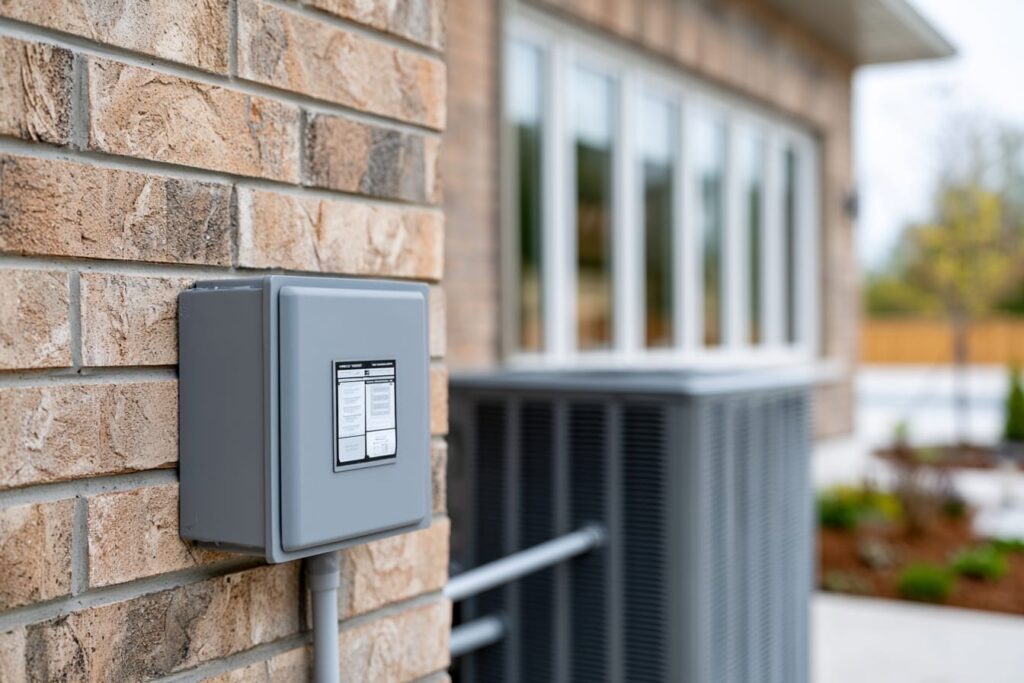
Before you describe the problem, confirm which breaker tripped. “The AC breaker tripped” can mean the outdoor condenser circuit, the indoor furnace or air handler circuit, a subpanel issue, or something wider in the home’s electrical system. Those are different problems.
You do not need to diagnose the panel. You just need to describe what happened clearly. That helps the right person find the fault faster.
Outdoor AC Breaker Or Condenser Breaker
The outdoor condenser usually has its own high-voltage circuit. If that breaker trips, the outdoor unit loses power, but the indoor blower may still run. From inside the house, it may feel like the AC is on because air still moves through the vents.
However, without the outdoor unit doing its job, that air will not be properly cooled. This is one reason breaker trips can show up as poor cooling or warm air from the vents.
Furnace Or Air Handler Breaker
Central AC depends on the indoor blower, often through the furnace or air handler. If the indoor equipment loses power, airflow stops or the system may not respond normally to the thermostat. That is why a furnace-related breaker can matter in summer.
This surprises some homeowners. The furnace is not heating, but it may still be part of the cooling system’s airflow and control path.
Main Breaker, Multiple Breakers, Or Wider Power Problems
If the main breaker trips, several breakers trip, lights flicker broadly, or other large appliances are affected, the problem may not be the AC alone. It may involve the electrical panel, branch circuit, service capacity, or utility-side power.
That is where the boundary matters. HVAC technicians can diagnose AC equipment. Panel, breaker, wiring, and service issues may require a licensed electrician.
What To Do In The First 5 Minutes
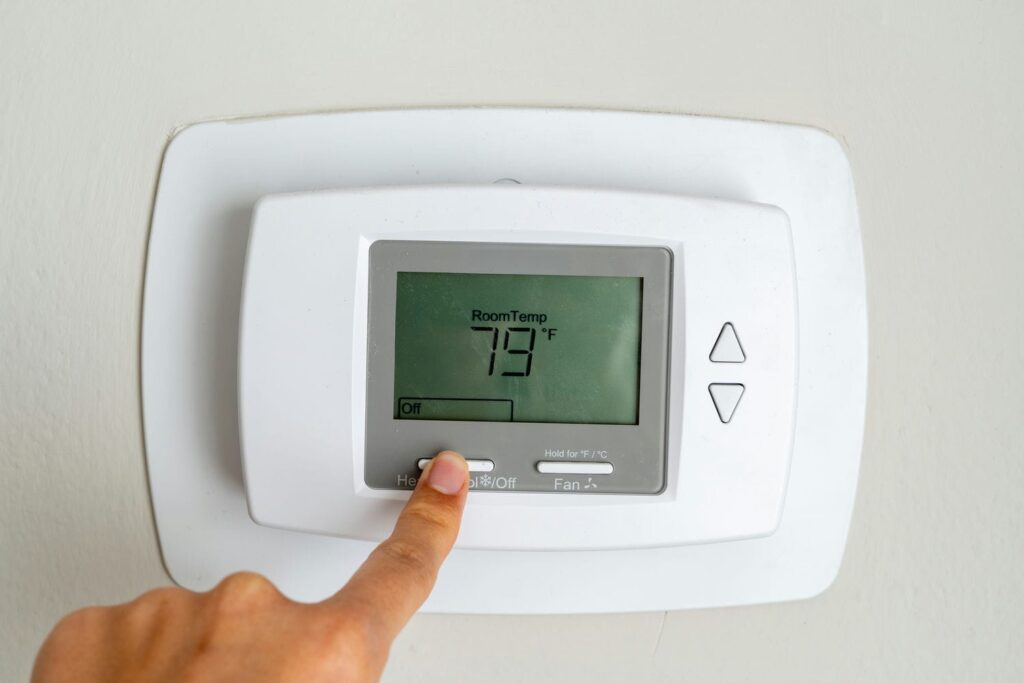
The first 5 minutes should be about safety and containment, not deep troubleshooting. Turn the system off, look for warning signs, and decide whether one reset is reasonable. Do not open panels or start testing electrical parts.
This is a comfort problem, but it can become a safety problem if you force the system to keep trying. Keep the sequence simple.
Turn Cooling Off At The Thermostat
Turn the thermostat from Cool to Off before doing anything else. This stops the AC from immediately trying to restart if power returns. It also gives you a calmer setup for checking the breaker and listening for any unusual behaviour.
If the thermostat is blank or the AC will not respond after the breaker trip, do not assume the thermostat is the only issue. A no-start problem after a breaker trip can point to a deeper electrical, control, or equipment fault.
Check For Burning Smells, Buzzing, Water, Or Visible Damage
Stop immediately if you smell burning, hear harsh buzzing, see water near electrical components, or notice visible damage near the condenser, disconnect, furnace area, or electrical panel. These are not “try again” signs. They are stop signs.
Comfort can wait. Electrical warning signs cannot.
Reset Once Only If It Is Safe
If there are no warning signs, one reset may help confirm whether the trip was momentary. Turn cooling back on and watch what happens. If the breaker trips again at startup or after the system runs, leave it off.
That second trip is the useful answer. It tells you the fault is still present and needs diagnosis.
Do Not Bypass, Upsize, Or Force The Breaker
Never bypass a breaker, hold it in place, tape it, or replace it with a larger breaker as a workaround. Health Canada’s guidance on electrical product safety notes that these products can pose shock or fire risks when used incorrectly, and it lists air conditioners among appliances that need periodic maintenance.
That is the safety line. The breaker is there to protect the circuit and equipment. If it keeps tripping, find the cause.
What Your Breaker Trip Usually Points To
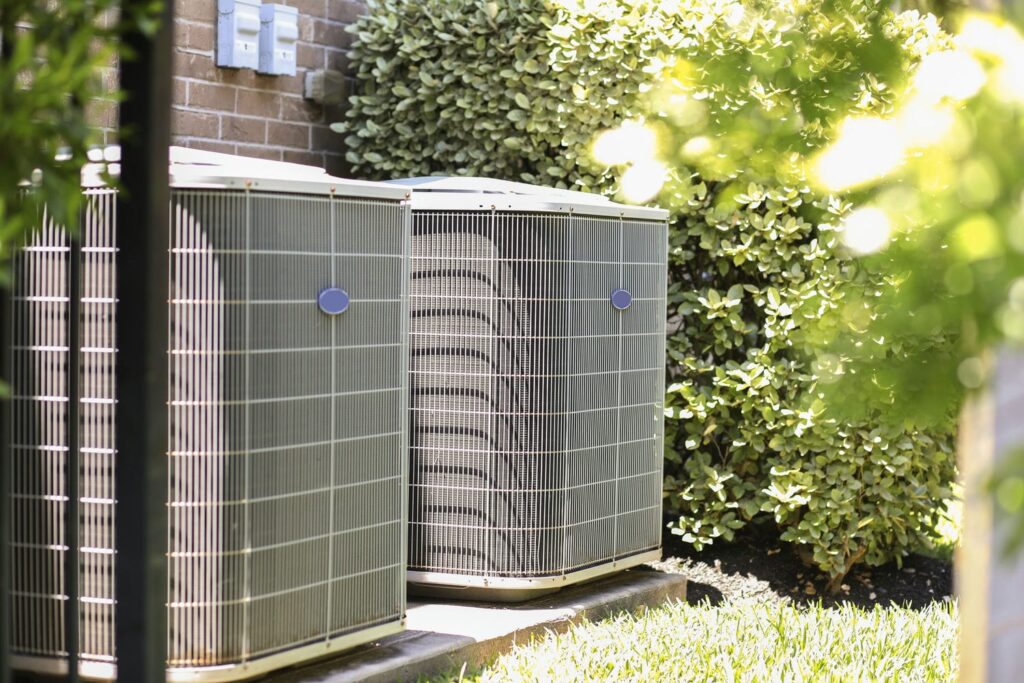
The timing and sound of a trip narrow down what is failing, though only a proper diagnosis confirms whether the fault sits in the AC equipment, the breaker, the wiring, the disconnect, or the panel.
| What You Notice | Most Likely Cause Bucket | Safe First Check | Best Next Step |
| Breaker Trips As Soon As AC Starts | Failed Capacitor, Compressor Hard Start, Motor Issue, Or Electrical Fault | Turn Cooling Off | Book Repair |
| Breaker Trips After 10–30 Minutes | Dirty Condenser, Motor Strain, Compressor Heat, Or Airflow Issue | Check Outdoor Clearance And Filter | Book Diagnosis |
| Outdoor Unit Hums Or Buzzes, Then Trips | Starting Component, Motor, Or Compressor Issue | Do Not Open Panels | Book Repair |
| Indoor Blower Runs, Outdoor Unit Stops | Outdoor Circuit Or Condenser Fault | Check Breaker Once Only | Read Warm-Air Guide Or Book Repair |
| Breaker Trips Again After Reset | Persistent Fault | Stop Resetting | Book Repair Or Electrician Review |
| Main Breaker Or Multiple Circuits Trip | Electrical Service Or Panel Issue | Turn Off Major Loads If Safe | Call Electrician Or Utility As Appropriate |
The key is timing. A trip at startup often points toward starting components or compressor strain. A trip after runtime can point toward heat, motors, dirty coils, airflow, or circuit issues under load.
8 Common Reasons Your AC Breaker Keeps Tripping
Here’s the catch: the breaker is the messenger. The cause can be mechanical, electrical, airflow-related, or age-related. That is why guessing from the panel is a weak plan.
A proper diagnosis starts with what happened, when it happened, what the AC sounded like, and whether cooling changed before the trip. Then the equipment and circuit need to be checked in order.
1. A Weak Or Failed Capacitor
A capacitor helps motors start and run. When it weakens, the outdoor unit may struggle to start, draw more current than normal, hum, click, or trip the breaker. This is one of the more common repair-side explanations for an AC that tries to start and then shuts down.
You do not need to test the capacitor yourself. You need to notice the pattern. If the unit hums, clicks, or trips during startup, a technician should check the starting components before the system is forced to run again.
2. Compressor Hard Starting Or Compressor Strain
The compressor is one of the heaviest electrical loads in the AC system. If it struggles to start, overheats, or is nearing failure, the breaker may trip quickly or after the unit runs for a while. This is a more serious possibility than a simple settings issue.
Do not jump straight to replacement based on one trip. However, compressor-related breaker trips deserve fast diagnosis because repeated hard starts can turn an expensive problem into a worse one.
3. Outdoor Fan Motor Trouble
The outdoor fan helps the condenser reject heat. If the fan motor is failing, overheating, slow to start, or not spinning properly, the outdoor unit can run hot and trip the breaker. You may notice a hum, rattle, grinding sound, or a fan that does not look right.
Do not reach into the unit or try to push the fan. If the fan is not operating normally, turn cooling off and book repair.
4. Dirty Or Blocked Outdoor Condenser Coil
The outdoor condenser has to release heat outside. Leaves, cottonwood fluff, grass clippings, dirt, and tight side-yard clearance can make that harder. When the condenser cannot reject heat properly, the system runs under more strain.
You can clear visible debris around the unit and improve outdoor clearance. Do not remove panels, reach through grilles, or pressure-wash electrical areas. If the breaker still trips, the issue is past a homeowner clean-up.
5. Dirty Filter Or Restricted Indoor Airflow
A dirty filter or blocked airflow path can make the system work harder and contribute to a chain of cooling problems. Natural Resources Canada’s guidance on filter and coil maintenance for central air conditioners explains how dirty filters, coils, and fans reduce airflow, efficiency, and capacity over time.
A filter change may help if airflow was the weak point. But if the breaker trips again after a clean filter and open airflow paths, stop treating it like maintenance. It needs service.
6. Loose, Damaged, Or Shorted Wiring
Damaged insulation, loose connections, worn contactors, pests, weather exposure, and vibration can all create electrical faults. These faults may show up as trips at startup, trips during runtime, buzzing, burning smells, or intermittent shutdowns.
This is not homeowner territory. If wiring or electrical parts are suspected, leave the breaker off and call.
7. Breaker, Disconnect, Or Circuit Problem
Sometimes the AC equipment is not the only suspect. The breaker may be weak, the outdoor disconnect may be damaged, or the circuit may have a problem. A technician can often tell when the equipment itself is not the full story.
This is where trade boundaries matter. An HVAC technician can diagnose AC equipment and identify likely supply-side issues. A licensed electrician should handle panel, breaker, and branch-circuit repair.
8. Older AC Equipment Drawing Too Much Current Under Load
Older AC equipment can stack problems. A tired compressor, weak motor, dirty coil, and years of wear can combine into a system that runs on mild days but trips during hot weather. The breaker trip is the symptom that finally gets your attention.
This does not automatically mean replacement. But if repeated trips come with poor cooling, major components, or repair stacking, the repair conversation needs to become more honest
Why This Happens More Often In Summer

Breaker trips often show up in summer because that is when the AC finally works under real load. It runs longer, starts more often, rejects heat into hotter outdoor air, and exposes weak parts that had been getting by.
This is why “it worked fine last month” does not prove the system is healthy. Spring and summer ask different things from the same equipment.
Long Runtime Gives Weak Parts More Chances To Fail
A weak capacitor or motor may survive a short mild-weather cycle. During summer, the system may run for long stretches and restart many times a day. That creates more chances for a weak part to fail.
The same logic applies to intermittent problems. A fault that appears once a week in May may appear every afternoon in July.
Hot Condenser Conditions Increase System Stress
The condenser rejects heat into outdoor air that is already hot. If the coil is dirty, the unit is crowded by fencing, shrubs, or storage, or airflow is poor, the system has to work harder to do the same job. That extra strain can expose motors, capacitors, and compressors.
GTA side yards can make this worse. Tight spaces, cottonwood fluff, grass clippings, and leaves can reduce airflow around the unit without looking dramatic from a distance.
First Heat Waves Reveal Deferred Maintenance
The first real heat wave often reveals deferred maintenance. Dirty filters, blocked coils, weak capacitors, and older motors can all look fine until the system has to cool the house for hours. Then the breaker trip appears.
That is why pre-season maintenance is practical, not cosmetic. It finds weak points before the system is under peak stress.
Breaker Trips Plus Another Symptom: What It Means

A breaker trip alone tells you one thing: the circuit shut off. The paired symptom tells you more. Buzzing, no-start behaviour, warm air, ice, or weak airflow each points the diagnosis in a different direction.
Do not treat each symptom as a separate mystery. A good repair visit connects them.
Breaker Trips Plus Buzzing, Humming, Or Clicking
Buzzing, humming, clicking, or hard starts before a breaker trip can point to starting components, motors, contactors, or compressor strain. The sound is not the final diagnosis, but it is useful evidence.
Pinning down the specific air conditioner noise you are hearing helps you describe the problem accurately, since a grind, a buzz, and a repeated click each point a technician toward a different part.
Breaker Trips And The AC Will Not Turn Back On
After a trip, the system may stay off because the breaker remains open, a fault is still present, a part failed, or a safety condition is interrupting operation. The thermostat may be blank, the outdoor unit may be silent, or the system may click without starting.
After a trip, the thermostat may be blank, the outdoor unit may be silent, or the system may click without starting. Working through the safe checks for when your AC will not turn on tells you what to rule out before booking a visit.
Breaker Trips And The Vents Blow Warm Air
If the indoor blower keeps running but the outdoor unit loses power or fails to start, you may get room-temperature or warm air from the vents. That feels like a cooling problem, but the root cause may be the outdoor circuit or condenser fault.
Separating the thermostat, airflow, outdoor-unit, and refrigerant possibilities is the way to tell why your AC is blowing warm air, rather than assuming the thermostat is at fault when the outdoor circuit is the real problem.
Breaker Trips With Ice Or Weak Airflow
A breaker trip paired with ice or weak airflow can point to a broader strain pattern. Airflow restrictions, dirty coils, frozen coils, and motor issues can overlap. The system may be fighting both comfort and electrical load.
Do not keep restarting it. Ice, weak airflow, and breaker trips together belong in a service diagnosis, not in trial-and-error mode.
What You Can Safely Check Yourself
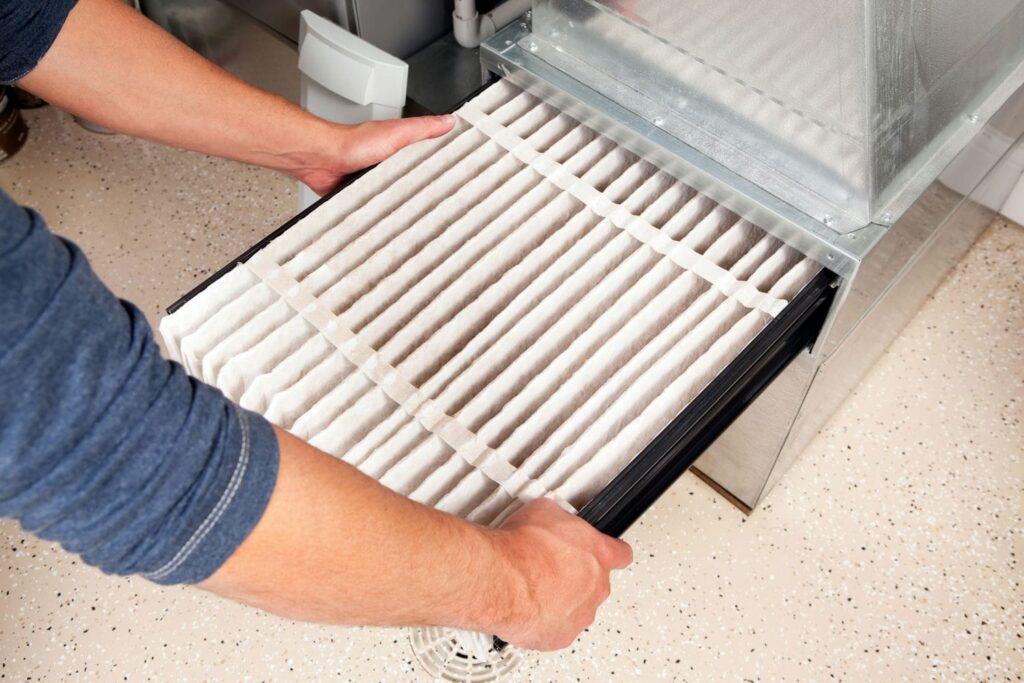
You can do a few useful checks before calling. Keep them visual and low-risk. Do not open panels, touch wiring, test capacitors, replace breakers, or reach into equipment.
Your job is to collect useful clues. The technician’s job is to test the equipment and circuit safely.
Note When The Breaker Trips
Write down when the trip happens. Does it trip instantly when cooling starts? After 10 minutes? During the hottest part of the day? When the system restarts after a long run? When another major appliance is running?
Timing helps separate starting problems from load problems. It also helps determine whether the issue is likely in the AC equipment, the circuit, or the broader electrical system.
Check The Filter And Visible Outdoor Clearance
Replace the filter if it is clearly dirty. Then check the outdoor unit for leaves, weeds, grass clippings, or clutter around the condenser. These are safe checks that can reduce strain.
Stay outside the equipment. Do not remove covers, reach through the grille, or spray water toward electrical areas. If simple clearance and filter checks do not stop the trips, book diagnosis.
Look And Listen From A Safe Distance
From a safe distance, listen for hums, clicks, buzzing, grinding, or a fan that does not seem to start normally. A short phone video can help if the problem is intermittent. Record from outside the unit, not over it.
These details help. “It hums for 5 seconds, then trips” is more useful than “it stopped again.”
Reset Once Only If Safe, Then Stop
The rule is worth repeating. Reset once only if conditions are safe. If the breaker trips again, leave it off and get the cause diagnosed.
The second trip is not an invitation to try harder. It is your answer.
When To Call For AC Repair Versus An Electrician
Not every breaker trip is purely HVAC. Not every breaker trip belongs to an electrician first. The right call depends on when the trip happens and what else is affected.
This distinction protects you from paying the wrong trade to chase the wrong problem.
Call For AC Repair When The Trip Happens Only With Cooling
If the breaker trips only when the AC starts or runs, start with AC diagnosis. This is especially true if the outdoor unit hums, buzzes, overheats, stops, or fails to cool. The fault may be a capacitor, motor, contactor, compressor, dirty coil, or other equipment issue.
In that case, book a professional AC diagnosis so the cooling equipment can be checked before anyone blames the panel.
Call An Electrician When The Panel Or Circuit Looks Suspect
Call an electrician if multiple breakers trip, the main breaker trips, the panel feels hot, you smell burning at the panel, lights flicker broadly, or the AC circuit trips even when the AC is off. Those clues point beyond the AC equipment.
Panel work, breaker replacement, branch-circuit repair, and service-capacity issues belong with a licensed electrician. Do not treat panel symptoms as AC maintenance.
Sometimes You Need Both
Sometimes the HVAC diagnosis finds a failed AC component. Sometimes it finds that the AC equipment is not the full issue and an electrician is needed. A good diagnosis separates equipment faults from supply faults instead of guessing.
That is the practical answer. Start where the symptom points, then involve the right trade when the evidence says so.
What A Proper AC Breaker Diagnosis Should Include
A proper diagnosis should not begin and end at the breaker. It should look at startup behaviour, runtime behaviour, airflow, condenser condition, starting components, motors, compressor behaviour, and the electrical supply path. That is how you avoid replacing parts at random.
You should finish the visit with a clear answer: repair the AC, call an electrician, monitor after maintenance, or discuss replacement if major equipment failure is likely.
Startup And Running Behaviour
The technician should confirm when the breaker trips: at startup, under load, after a long run, or during restart. That timing helps separate capacitor, compressor, motor, coil, and heat-load issues.
Startup trips and delayed trips are different clues. A structured diagnosis treats them differently.
Capacitor, Contactor, Motor, And Compressor Checks
The visit should include checks of the AC starting components, contactor behaviour, motor operation, fan performance, and compressor behaviour. These parts are often involved when an outdoor unit hums, clicks, tries to start, or trips the breaker.
This is not DIY work. It requires proper testing, safe access, and the right parts knowledge.
Coil, Filter, Airflow, And Outdoor Conditions
The technician should check whether the system is working too hard because of dirty coils, blocked outdoor airflow, dirty filters, weak indoor airflow, or freeze-up patterns. Electrical trips can start with mechanical strain.
Proper central AC maintenance is critical for efficient operation and long service life, which is why service before cooling season matters for central units.
Circuit, Disconnect, And Breaker Referral When Needed
A good HVAC diagnosis should also flag when the issue may be the breaker, disconnect, wiring, or panel. That does not mean the HVAC technician repairs every electrical issue. It means you are not left guessing which trade to call next.
If the issue points to the panel or branch circuit, an electrician should handle that work.
Clear Repair Recommendation
At the end, the recommendation should be plain: repair a specific AC fault, bring in an electrician, clean and monitor, or discuss replacement if the equipment is failing broadly. You should not be left with “try it and see” after a repeated breaker trip.
Cozy World’s standard is no HVAC cost surprises. That means the cause and next step should be explained before work proceeds.
Repair Or Replace? What Repeated Breaker Trips Usually Mean
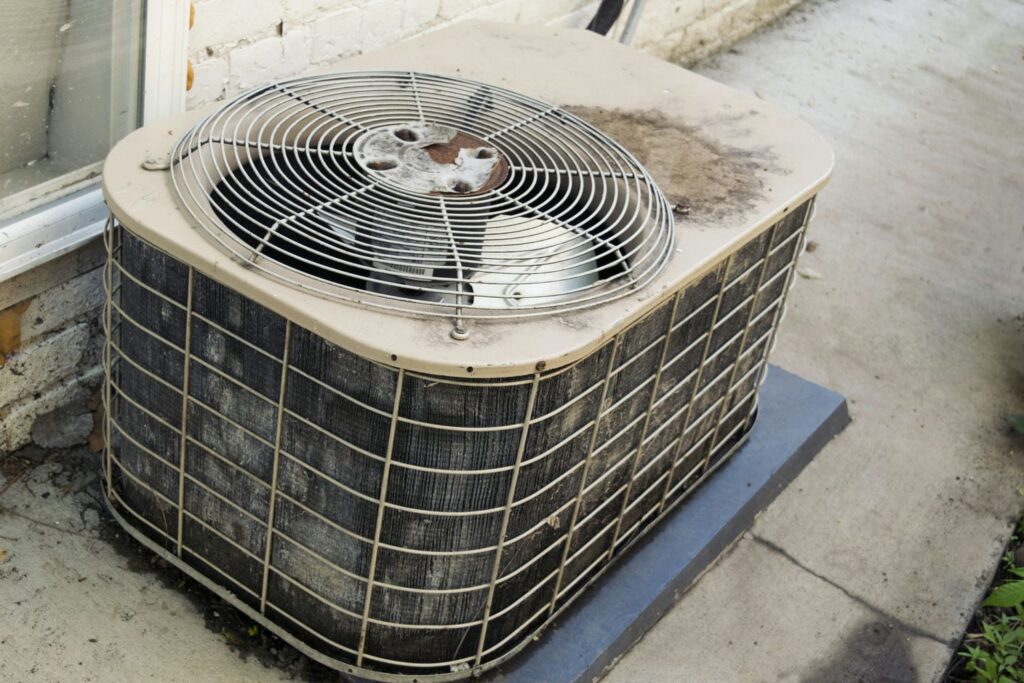
A tripping AC breaker does not automatically mean you need a new system. Many causes are repairable. A failed capacitor, contactor, fan motor, dirty coil, or isolated airflow problem can often be handled without replacing the whole AC.
However, repeated trips can change the conversation. Age, compressor trouble, major motor issues, poor cooling history, and expensive repair stacking all matter.
Repair Usually Makes Sense When The Fault Is Isolated
Repair usually makes sense when the diagnosis finds one clear fault. That might be a failed capacitor, worn contactor, fan motor problem, dirty condenser, airflow restriction, or another isolated issue. If the system has otherwise been reliable, repair is the first conversation.
This is the practical approach. Fix the fault, confirm normal operation, and avoid turning one failed part into an automatic replacement pitch.
Replacement Enters The Conversation When Major Failures Stack Up
Replacement becomes reasonable when breaker trips point to compressor trouble, repeated motor failures, old equipment, poor cooling history, refrigerant problems, or repeated expensive repairs. At that point, another repair may still be possible, but it may not be the best use of your money.
If diagnosis shows the system is too far gone, the next step may be a conversation about replacing the air conditioner rather than another short-term patch.
How To Prevent The Next Summer Breaker Trip
Maintenance cannot prevent every electrical failure. It can reduce unnecessary strain, catch weak parts earlier, and keep the system from entering peak summer already dirty, restricted, or borderline.
The goal is not perfection. The goal is fewer surprises during the first long humid stretch.
Keep The Outdoor Unit Clear
Leaves, grass clippings, cottonwood, weeds, and tight side-yard clutter can make the outdoor unit work harder. Keep the condenser clear so it can move air and reject heat properly.
Do not crowd the unit with storage, bins, planters, or overgrown shrubs. Clear airflow does not fix every electrical issue, but poor airflow makes the system work harder than it should.
Change Filters Before Airflow Problems Build
A dirty filter can reduce airflow and contribute to weak cooling, freeze-up patterns, and system strain. It is one of the easiest homeowner habits to keep.
Check filters more often during heavy summer use, after renovation dust, or in homes with pets. Do not wait until comfort drops before looking.
Book Maintenance Before Peak Cooling Season
A spring maintenance visit can catch dirty coils, weak capacitors, fan issues, and early performance problems before the AC has to run hard. That timing matters in the GTA because problems often show up during the first hot stretch.
Waiting until the breaker trips on a hot afternoon gives you fewer options. Pre-season service gives you time to fix small issues before they become urgent.
Do Not Ignore Early Noises Or Hard Starts
Buzzing, humming, clicking, rough starts, and louder operation often show up before breaker trips become frequent. Treat those as early warnings. They may be the system telling you a starting part, motor, or compressor is struggling.
A strange sound is cheaper to diagnose before the breaker starts tripping every time the system runs.
Need Help With An AC Breaker That Keeps Tripping?
If your AC breaker trips once, you can check the basics. If it trips again, stop resetting it and get the cause diagnosed. Cozy World has served GTA homeowners since 1991, is an Authorized Lennox Dealer, and uses factory-trained technicians to diagnose AC electrical starting issues, motors, compressor behaviour, airflow strain, and outdoor-unit problems plainly. Start with air conditioner repair before another reset turns one fault into a larger repair.
If repeated trips point to an older system with major failure risk, we can help you make that decision too. Cozy World is licensed to provide air conditioner installation and service, and we quote clearly so there are no HVAC cost surprises. If replacement is the smarter path after diagnosis, we can walk you through air conditioner installation without pushing it before the evidence is there.
Frequently Asked Questions
An AC breaker usually keeps tripping because the circuit is drawing too much current or has a fault. Common causes include a failing capacitor, compressor strain, motor trouble, dirty condenser coil, restricted airflow, damaged wiring, or a breaker and circuit issue. Summer makes the problem more obvious because the AC runs longer and works under higher load. A weak part that survived mild weather may fail when the system has to cool hard.
One reset may be reasonable if conditions are safe and there are no burning smells, harsh noises, water near electrical parts, or visible damage. If the breaker trips again, stop. Do not keep resetting it. Repeated trips mean the fault is still there.
Trips at startup often point to a weak capacitor, compressor hard-start issue, failing motor, contactor problem, or electrical fault. The system is trying to start, but something is pulling too much current or failing under load. If the outdoor unit hums, clicks, or buzzes before the trip, leave it off and book repair.
Delayed trips often point to heat-related strain. The cause may be a dirty condenser coil, failing fan motor, compressor overheating, restricted airflow, or a circuit problem that appears only after the system runs. This timing is useful. Tell the technician whether it trips instantly or after several minutes.
A dirty filter may not directly trip every breaker. However, it can restrict airflow, contribute to freeze-ups, reduce performance, and increase system strain. That strain can become part of a larger problem. Replace a clearly dirty filter. If the breaker still trips, the issue needs service.
Start with HVAC if the breaker trips only when the AC starts or runs, especially if the outdoor unit hums, buzzes, stops, or fails to cool. The fault may be inside the AC equipment. Call an electrician if multiple circuits trip, the main breaker trips, the panel is hot, you smell burning at the panel, lights flicker broadly, or the AC circuit trips even when the AC is off.
Not always. Isolated faults are often repairable. A failed capacitor, contactor, fan motor, dirty coil, or airflow issue does not automatically mean replacement. Replacement becomes a serious conversation when repeated trips point to compressor trouble, old equipment, repeated major repairs, refrigerant problems, or poor cooling history.
Ready to Get an HVAC Service Quote?
Whether you have questions, need assistance, or want to schedule a service, we're here to help. Don't hesitate to contact us anytime.
